
More than four million visitors each year join guided walking tours across the british Isles, discovering stories and sights that most travellers miss. Exploring a city or historic site on foot opens doors to local culture in unexpected ways, offering a richness and detail unmatched by bus or car. Whether you are curious about the best routes, the value of expert guides, or what makes these experiences unique, understanding guided walking tours helps travellers make the most of every step.
Table of Contents
- Guided Walking Tours Explained and Defined
- Types of Guided Walking Tours in the UK
- Key Features of Expert-Led Walking Tours
- Unique Advantages Over Self-Guided Options
- Typical Costs and Inclusions for Participants
- Common Mistakes When Choosing a Walking Tour
Key Takeaways
| Point | Details |
|---|---|
| Walking tours offer immersive experiences | Participants engage deeply with their surroundings, enjoying the culture and history at a leisurely pace. |
| Expert guides enhance understanding | Professional guides provide context, historical insights, and personalised narratives that enrich the experience. |
| Variety of tour types cater to interests | Guided walking tours cover diverse themes, including history, literature, and even supernatural tales, appealing to different traveller preferences. |
| Research is essential for selection | Careful consideration of tour details, including physical requirements and guide credentials, ensures a satisfying and suitable experience. |
Guided Walking Tours Explained and Defined
A walking tour is a distinctive travel experience where participants explore a destination entirely on foot, immersing themselves in the local environment and culture. Understanding walking tour definitions reveals that these tours go far beyond simple transportation methods, offering an intimate and engaging way to discover new places.
Traditionally, a walking tour involves navigating through urban landscapes, historical sites, or scenic routes with a knowledgeable guide who provides context, historical insights, and fascinating stories about the surroundings. According to the Collins Dictionary, a walking tour is fundamentally “a tour on which you walk rather than using transport”, which emphasises the pedestrian nature of this travel experience. Unlike traditional bus or coach tours, walking tours allow participants to explore at a more leisurely pace, stopping to appreciate architectural details, local artwork, or hidden gems that might be missed through faster modes of transportation.
Guided walking tours represent a specialised form of travel experience where an expert accompanies visitors through specific locations, offering structured narratives and professional insights. These tours typically feature:
- Detailed historical commentary
- Expert local knowledge
- Carefully planned routes
- Interactive storytelling
- Opportunities for questions and deeper engagement
By combining physical movement with educational storytelling, guided walking tours transform ordinary sightseeing into an immersive, memorable journey that connects travellers directly with the essence of a place.
Types of Guided Walking Tours in the UK
Guided walking tours in the United Kingdom encompass a rich and diverse array of experiences designed to showcase the nation’s remarkable history, cultural heritage, and unique landscapes. Exploring various tour types reveals the incredible depth and breadth of walking tour opportunities available across different regions.
According to research from the CCEA, guided tours in the UK can be categorised into multiple formats, ranging from individual explorations to comprehensive group experiences. These tours typically cover significant destinations including:
- Religious sites and historic cathedrals
- Medieval castle complexes
- Archaeological landmarks
- Museum and cultural heritage locations
- Urban historical districts
- Scenic countryside routes
Some distinctive types of guided walking tours in the UK include:
Historical Heritage Tours
- Focused on specific historical periods
- Detailed narrative about architectural and cultural significance
- Often led by expert historians or local researchers
Literary and Cultural Tours
- Exploring locations connected to famous writers and artists
- Tracing literary landscapes and inspirational settings
- Perfect for literature enthusiasts and cultural explorers
Supernatural and Ghost Tours
- Investigating paranormal locations and historical legends
- Evening walks through historic city centres
- Combining entertainment with local folklore
Interestingly, some cities like Edinburgh have developed unique approaches to walking tours. The Edinburgh Festival Voluntary Guides Association offers free guided walking tours during summer festivals, demonstrating the innovative ways communities are engaging tourists and sharing local narratives.
These diverse tour types ensure that every traveller can find an experience that matches their interests, whether they are history buffs, cultural enthusiasts, or simply curious explorers seeking to understand the rich tapestry of British heritage.
Key Features of Expert-Led Walking Tours
Expert-led walking tours represent a sophisticated approach to destination exploration, offering travellers an immersive and deeply informative experience that goes far beyond traditional sightseeing. Understanding the essential characteristics of guided tours reveals the intricate skill set and preparation required to deliver exceptional guided experiences.
According to research from the CCEA, expert-led walking tours are distinguished by guides holding recognised professional qualifications, such as the prestigious Blue Badge issued by the Guild of Registered Tourist Guides. These credentials ensure a remarkable standard of professional knowledge and expertise.
Key features of expert-led walking tours include:
Professional Credentials
- Formally trained guides
- Certified tourism professionals
- Deep local and historical knowledge
Comprehensive Storytelling
- Contextual historical narratives
- Engaging communication techniques
- Ability to answer complex visitor questions
Customised Experiences
- Adaptable tour routes
- Personalised insights
- Sensitivity to group dynamics and interests
Public walking tours, as highlighted by London Guided Walks, demonstrate the structured yet flexible nature of these experiences. Guides typically meet groups at designated locations, offering scheduled tours that provide structured yet dynamic exploration of urban landscapes.
The most exceptional walking tours transform simple geographical traversal into an intellectual and sensory journey, connecting travellers with the profound narratives embedded within each step of their route. These expert guides do more than point out landmarks – they breathe life into historical spaces, creating memorable experiences that transcend traditional tourism.
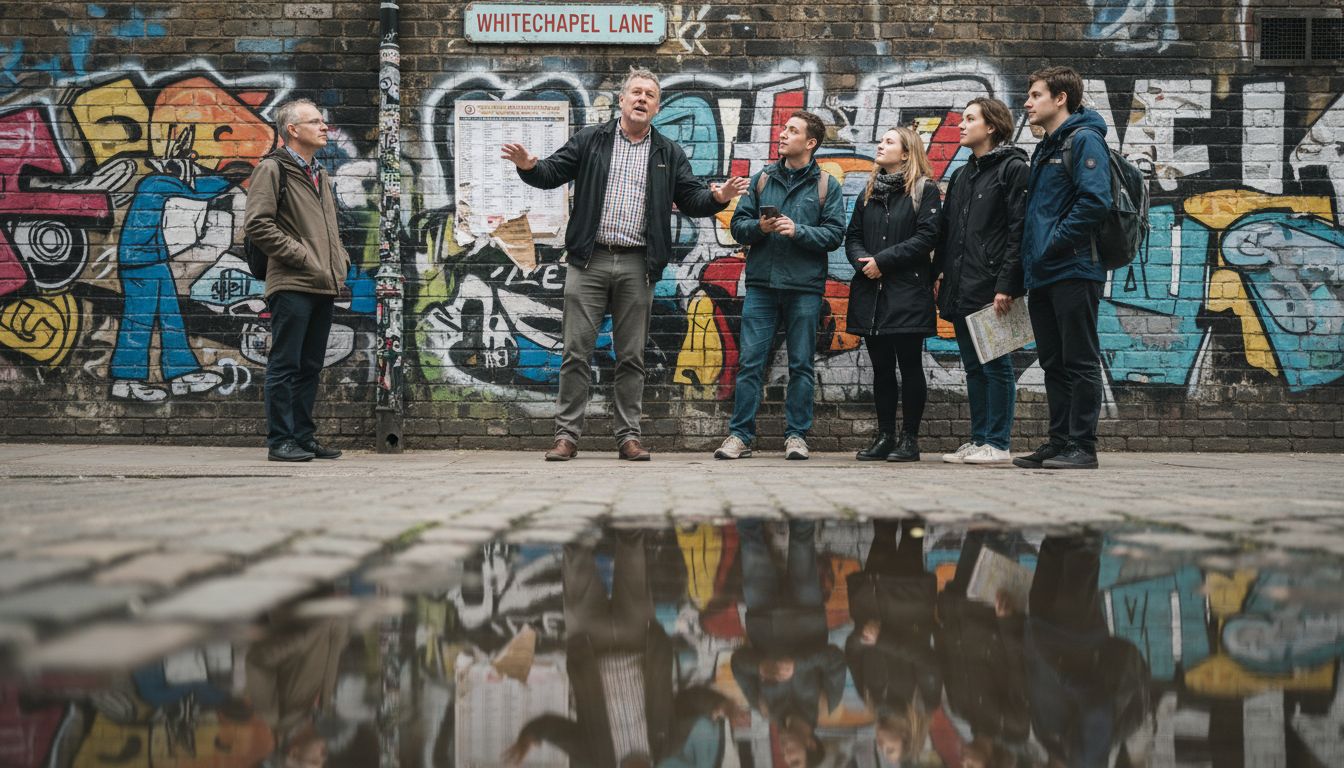
Unique Advantages Over Self-Guided Options
Guided walking tours offer substantial advantages that transform the traditional travel experience, elevating exploration beyond simple navigation and superficial sightseeing. Comparing guided and self-guided tour experiences reveals the remarkable depth and nuance professional guides bring to travel.
According to research from the CCEA, guided tours provide critical cultural insights and direct assistance that self-guided options simply cannot replicate. The expertise of professional guides transforms a simple walk into an immersive narrative journey, offering context and understanding that goes far beyond what guidebooks or digital maps can provide.
Key advantages of guided tours over self-guided options include:
Expert Contextual Knowledge
- Comprehensive historical background
- Insider local perspectives
- Nuanced cultural interpretations
- Immediate answers to complex questions
Enhanced Safety and Navigation
- Professionally planned routes
- Real-time guidance
- Local safety insights
- Immediate problem-solving capabilities
Immersive Storytelling
- Engaging narrative techniques
- Interactive historical explanations
- Personal anecdotes and local legends
- Emotional connection to locations
While self-guided tours might offer flexibility, they fundamentally lack the rich, multidimensional experience that comes from walking alongside a knowledgeable expert. Professional guides do more than point out landmarks – they breathe life into spaces, transforming geographical locations into living, breathing narratives that resonate deeply with travellers seeking genuine understanding.
Typical Costs and Inclusions for Participants
Walking tour pricing varies significantly across different experiences, with multiple factors influencing the overall cost and included services. Exploring tour pricing structures reveals the complex considerations that impact tour expenses and participant value.
According to London Guided Walks, public guided tours typically require participants to purchase individual tickets, which provide access to professional guide services and group walking experiences. The pricing model reflects the expertise and comprehensive nature of the tour, ensuring participants receive high-quality, informative journeys.
Typical cost structures for walking tours include:
Public Group Tours
- Fixed pricing per individual
- Ranging from £10-£25 per person
- Standard duration of 1-2 hours
- Open to multiple participants
Private Guided Tours
- Customised pricing based on group size
- Typically £50-£150 per group
- Exclusive guide attention
- Flexible routing and timing
Specialised Thematic Tours
- Higher pricing for niche experiences
- £30-£75 per person
- In-depth historical or cultural focus
- Limited group sizes
The comprehensive tour offerings demonstrate the diversity of walking tour formats, with costs varying based on tour type, duration, and additional services such as transport arrangements or specialised expertise. Participants can expect inclusions such as professional guide commentary, carefully curated routes, and insights that transform ordinary sightseeing into meaningful cultural experiences.

Beyond monetary value, these tours offer an investment in understanding – providing context, narrative, and deep connection to the locations visited that far exceed the simple act of walking from one point to another.
Common Mistakes When Choosing a Walking Tour
Walking tour selection requires careful consideration to ensure an enjoyable and enriching travel experience. Understanding potential pitfalls can help travellers make more informed decisions and avoid disappointing guided tour experiences.
According to London Guided Walks, one of the most frequent errors is neglecting to check tour schedules and meeting logistics carefully. Failing to confirm precise meeting times and locations can result in missed opportunities and unnecessary frustration.
Common mistakes travellers often make when selecting walking tours include:
Overlooking Physical Requirements
- Ignoring tour difficulty levels
- Not assessing personal fitness capabilities
- Underestimating walking distance and terrain
- Failing to inquire about accessibility options
Inadequate Research
- Not reviewing guide credentials
- Skipping tour reviews and testimonials
- Neglecting to understand tour themes
- Assuming all tours offer similar experiences
Mismatched Expectations
- Failing to consider tour format carefully
- Not clarifying included services
- Misunderstanding tour duration
- Overlooking potential additional costs
Tour format considerations are particularly critical. Some tours might involve walking, public transport, or specialised transportation methods, which can significantly impact the overall experience. Careful pre-tour research helps travellers select experiences perfectly aligned with their interests, physical capabilities, and expectations.
Discover the Magic of Expert-Led Walking Tours in Oxford
If you have ever found yourself overwhelmed by self-guided experiences lacking deeper context or frustrated by tours that do not connect you emotionally to the stories they tell you understand the challenge so many travellers face. This article highlights the unique advantages of expert-led guided walking tours that bring history and culture to life through immersive storytelling and professional insight. It is not just about walking but about feeling the essence of a place with every step.
At Oxford Magic Tours, we specialise in transformative walking tours of Oxford University and iconic Harry Potter filming locations. Unlike typical tours, ours include live entertainment by a magician who has performed for the British Royal family and A-list celebrities offering an extraordinary experience that captures imagination as well as history. If your goal is to move beyond the usual sightseeing and truly engage with Oxford’s rich heritage and enchanting tales this is your perfect choice.
Experience:
- Thoroughly researched narratives brought to life by expert guides
- Unique combination of magical entertainment and cultural exploration
- Carefully planned routes designed for maximum immersion
Ready to elevate your walk into a memorable journey? Explore the full range of engaging experiences on our homepage now and secure your spot to enjoy the most captivating guided walking tour Oxford has to offer. Don’t miss the chance to see history and magic intertwine – book today and create unforgettable memories.
Frequently Asked Questions
What are the main benefits of guided walking tours?
Guided walking tours offer immersive experiences, expert knowledge, and contextual storytelling that enhance understanding of the visited locations. Participants can enjoy a leisurely pace while discovering historical insights and cultural narratives that self-guided tours may miss.
How do guided walking tours differ from self-guided options?
Guided walking tours provide professional insights and narratives, ensuring a deeper understanding of the location compared to self-guided options, which often lack context and local expertise. Guided tours also enhance safety and navigation through structured routes.
What should I consider before choosing a walking tour?
When selecting a walking tour, consider physical requirements such as distance and terrain, review the guide’s credentials, and clarify what is included in the tour to ensure it meets your expectations and interests.
Are guided walking tours suitable for all fitness levels?
Many guided walking tours cater to various fitness levels; however, it is essential to check the tour’s difficulty level and assess your capabilities beforehand. Some tours may have accessibility options, so inquire about these if necessary.
Recommended
- Why Take Walking Tours: Complete Guide – Walking tours of oxford
- What Is a Walking Tour? Complete Guide for Tourists – Walking tours of oxford
- The Essential Guide to Guided Tours in the UK – Walking tours of oxford
- walking-tour-types-benefits-exploration – Walking tours of oxford
- Discover the Best Walking Routes in Downtown Ottawa to Alleviate Low Back Pain
- What Is Smart Footwear? Complete Guide for 2025 – YDA UK
Pingback: 7 Essential Types of Walking Tours in Oxford for Tourists - Walking tours of oxford