
Most british libraries never rival the iconic presence of the Bodleian Library, a cornerstone of scholarly tradition at the University of Oxford. With a history dating back over four centuries, this institution upholds a strict no-lending policy that even royalty must obey. Its legendary collection boasts more than 13 million printed items, making the Bodleian a global magnet for historians, researchers, and curious visitors seeking both knowledge and architectural wonder.
Table of Contents
- Bodleian Library Defined And Historical Origins
- Key Roles In Oxford University Life
- Unique Collections And Treasured Artefacts
- Touring The Bodleian: Access And Visitor Rules
- Popular Myths And Harry Potter Connections
Key Takeaways
| Point | Details |
|---|---|
| Bodleian Library’s Historical Significance | Established in 1602, the Bodleian Library is a cornerstone of academic research at the University of Oxford, housing over 13 million items and rare manuscripts. |
| Unique Non-Lending Policy | The library does not lend books, prioritising knowledge preservation and on-site research opportunities for scholars and visitors. |
| Diverse Collections and Cultural Heritage | The Bodleian’s collections include rare manuscripts and historical documents, making it a critical resource for global academic research. |
| Visitor Engagement and Access Rules | Strict protocols are in place for accessing the library, including obtaining a reader’s card and adhering to preservation guidelines, ensuring the integrity of its collections. |
Bodleian Library Defined and Historical Origins
The Bodleian Library represents one of the most prestigious academic libraries globally, embodying centuries of scholarly preservation and intellectual heritage. Located at the University of Oxford, this remarkable institution has been a cornerstone of academic research since its official establishment in 1602. Originally founded through the dedicated efforts of Sir Thomas Bodley, the library traces its roots back to a remarkable collection initially donated by Humphrey, Duke of Gloucester in the 15th century.
Unique among research libraries, the Bodleian maintains a strict policy of not lending books, even to royalty. This commitment underscores its primary mission of preserving knowledge and providing on-site research opportunities. With an extraordinary collection spanning over 13 million printed items and numerous rare manuscripts, the library serves as a critical resource for scholars, historians, and researchers worldwide. The library’s historical buildings have expanded over centuries, transforming from a single reading room to a complex of interconnected academic spaces.
The library’s significance extends far beyond its physical collection. It represents a living testament to academic scholarship, housing countless historical documents, medieval manuscripts, and scholarly works that chronicle human knowledge. Researchers can explore collections ranging from ancient texts to contemporary academic publications, making the Bodleian a true intellectual treasure trove. Its reputation as a non-lending library ensures that every volume remains protected, maintaining the integrity and accessibility of its priceless resources for generations of scholars and researchers.
Visitors and academics alike are drawn to the Bodleian not just for its extensive collection, but for its architectural beauty and historical significance. The library’s reading rooms, with their ornate design and scholarly atmosphere, transport visitors through centuries of academic tradition. From its humble beginnings in the early 17th century to its current status as a world-renowned research institution, the Bodleian Library continues to be a symbol of intellectual pursuit and knowledge preservation.
Key Roles in Oxford University Life
The Bodleian Library plays a pivotal role in the academic ecosystem of Oxford University, serving as far more than a mere repository of books. Supporting learning, teaching, and research objectives across multiple disciplines, the library has become an indispensable resource for students, researchers, and academics. Its extensive collection of over 13 million printed items, including more than 80,000 electronic journals, provides unparalleled access to scholarly materials that drive academic excellence.
Beyond its impressive collection, the Bodleian Library functions as a critical research hub that connects scholars with rare and historical manuscripts. Academic departments rely on its specialised collections to support advanced research, with resources spanning ancient texts to contemporary publications. Researchers can access unique archival materials that are fundamental to scholarly investigations, making the library an intellectual cornerstone of Oxford University’s academic pursuits.
The library’s significance extends to its role in preserving academic heritage and facilitating knowledge exchange. Its historical reading rooms and facilities have been integral to scholarly activities since 1602, providing a sacred space for intellectual discourse and academic exploration. Graduate students, visiting scholars, and researchers from around the world converge in these hallowed spaces, creating a vibrant ecosystem of academic collaboration and intellectual discovery.
Moreover, the Bodleian Library serves as a bridge between traditional scholarship and modern research methodologies. Its commitment to digital preservation and online accessibility ensures that valuable academic resources remain available to scholars globally. By maintaining rigorous standards of collection management and providing cutting-edge research facilities, the library continues to be a fundamental institution that supports Oxford University’s reputation as a world-leading centre of academic excellence.
Unique Collections and Treasured Artefacts
The Bodleian Library houses an extraordinary array of historical treasures that represent centuries of human knowledge and cultural heritage. Its extensive collections span rare manuscripts, Oriental texts, and significant historical documents, offering researchers an unparalleled window into global intellectual history. These collections are not merely archives but living repositories of human creativity, scholarship, and cultural expression.

Among its most remarkable holdings are collections that represent extraordinary breadth and depth of scholarly research. Rare books from early printing eras sit alongside intricate Oriental manuscripts, creating a comprehensive resource that attracts scholars from around the world. Some of the most significant artefacts include medieval manuscripts, first-edition prints, and historically significant documents that provide unprecedented insights into various academic disciplines.
The library’s special collections represent a treasure trove of cultural and historical artefacts, carefully preserved to maintain their integrity and historical significance. Researchers can explore collections ranging from ancient philosophical texts to contemporary scientific manuscripts, each telling a unique story of human intellectual development. The diversity of these collections ensures that the Bodleian remains a critical destination for academics seeking to understand the nuanced progression of human knowledge.
Beyond their academic value, these collections serve as a testament to the library’s commitment to preserving global cultural heritage. Unique artefacts such as illuminated manuscripts, rare scientific texts, and historically significant documents are meticulously conserved, allowing future generations to connect with the intellectual achievements of past scholars. The Bodleian Library thus stands not just as a repository of books, but as a living museum of human thought and creativity, bridging centuries of scholarly pursuit and cultural understanding.
Touring the Bodleian: Access and Visitor Rules
Guided tours of the historic Bodleian Library offer visitors a fascinating glimpse into one of the world’s most prestigious academic institutions. Prospective visitors should be aware that accessing this remarkable library requires careful planning and adherence to specific guidelines. The library maintains strict protocols to protect its priceless collections while still providing opportunities for public engagement and scholarly exploration.
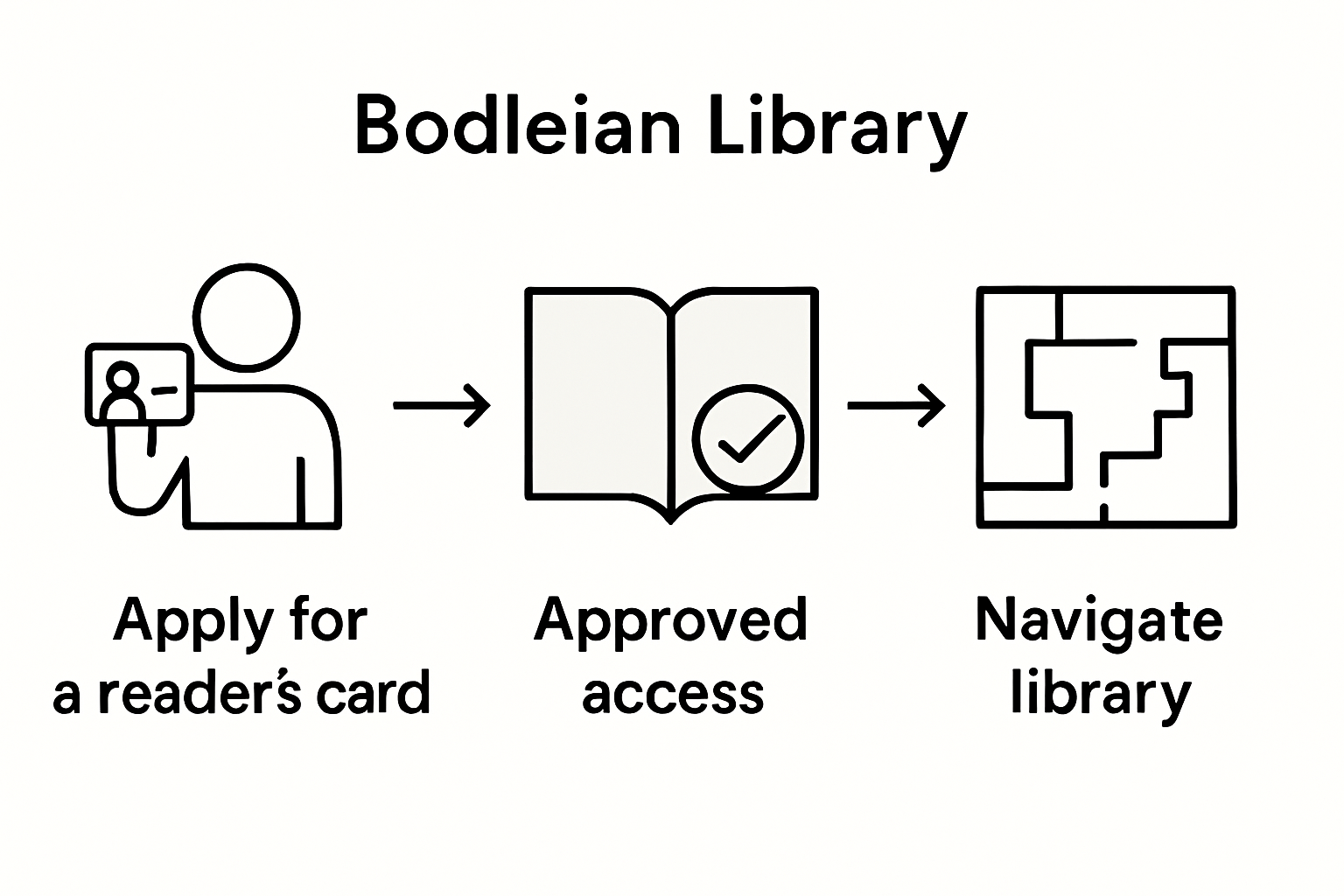
To access the library’s reading rooms and research facilities, visitors must obtain a reader’s card. The application process involves providing proper identification and agreeing to the library’s specific regulations, ensuring the protection of its invaluable historical collections. Researchers and academics typically require more comprehensive access, which involves a more detailed application process that verifies their scholarly credentials and research objectives.
Tour options vary depending on visitor interests and access levels. Standard guided tours allow visitors to explore the library’s historic buildings, including iconic spaces like the Divinity School and Duke Humfrey’s Library. These tours provide insight into the architectural marvel and historical significance of the Bodleian, offering a curated experience that highlights the library’s cultural importance. Visitors should book in advance, as tours can be quite popular and have limited availability.
Special considerations are crucial for those planning to visit. Photography is typically restricted to protect the collections, and visitors must follow strict guidelines about handling materials and maintaining a quiet, respectful environment. Backpacks, large bags, and potentially damaging items are not permitted in the library’s sensitive spaces. While these rules might seem restrictive, they are essential for preserving one of the world’s most important scholarly repositories, ensuring that future generations can continue to access and appreciate these remarkable historical treasures.
Popular Myths and Harry Potter Connections
The Bodleian Library has become intrinsically linked with the magical world of Harry Potter, sparking countless myths and fascinating connections between literary imagination and historical reality. The library has hosted exhibitions showcasing original manuscripts and artefacts that directly inspired elements of J.K. Rowling’s renowned series, revealing the profound relationship between Oxford’s scholarly environment and magical storytelling.
Many visitors are particularly captivated by the library’s Duke Humfrey’s Library, which served as the direct filming location for the Hogwarts library scenes in multiple Harry Potter films. The medieval architecture, with its soaring gothic ceilings and rows of ancient bookshelves, provides an eerily authentic backdrop that seamlessly blends historical scholarly spaces with magical cinematography. Wooden reading desks, intricate carved details, and the library’s timeless atmosphere have made it an iconic location for fans worldwide.
Beyond its cinematic connections, the Bodleian embodies many mythical qualities that resonate with Harry Potter’s fictional world. Its labyrinthine corridors, restricted sections filled with rare manuscripts, and an almost mystical approach to preserving knowledge mirror the magical libraries imagined in Rowling’s novels. Researchers and visitors often describe the library as having an almost supernatural atmosphere, where centuries of scholarly knowledge seem to whisper from ancient texts and meticulously preserved manuscripts.
Interestingly, the library’s real-world magical qualities extend beyond visual aesthetics. The strict preservation rules, the sense of reverence for knowledge, and the carefully guarded rare book collections create an environment that feels more enchanted than academic. Scholars and tourists alike find themselves transported into a world where books hold incredible power, much like the magical tomes in Harry Potter’s fictional Hogwarts library. The Bodleian thus stands as a testament to the magical potential of human knowledge, bridging the gap between scholarly pursuit and imaginative storytelling.
Experience the Magic Behind the Bodleian Library
The Bodleian Library stands as a treasure trove of history and knowledge that captures the imagination of all who visit. Yet, navigating its vast corridors and uncovering the fascinating stories about its legendary collections and Harry Potter connections can feel overwhelming. You want more than facts—you want to live the experience, feel the magic that inspired the Hogwarts library, and understand why this Oxford icon matters so deeply.
Unlock the secrets of the Bodleian and the wider University of Oxford with a truly unique experience. Our walking tours combine rich historical insight with live entertainment from a magician who has performed for the British Royal family and A-list celebrities. Discover the filming locations brought to life, including the iconic Duke Humfrey’s Library, and dive into stories that make the library’s history come alive. Don’t miss this chance to connect with Oxford in a way no ordinary tour offers.
Book your unforgettable journey today at Oxford Magic Tours and see the Bodleian through a new lens. For more information on tour options and to secure your place, visit us now—step inside the heart of Oxford’s magical heritage and experience the library’s timeless allure firsthand.
Frequently Asked Questions
What is the Bodleian Library?
The Bodleian Library is one of the most prestigious academic libraries in the world, located at the University of Oxford. Established in 1602, it has a vast collection of over 13 million printed items and rare manuscripts, dedicated to preserving knowledge and supporting academic research.
Why is the Bodleian Library considered an essential academic resource?
The library serves as a critical hub for learning, teaching, and research across multiple disciplines. Its extensive collections, including unique archival materials and historical documents, provide invaluable resources for students and scholars aiming to advance their academic pursuits.
What types of collections can be found at the Bodleian Library?
The Bodleian Library houses an extraordinary range of collections, including medieval manuscripts, rare books, Oriental texts, and significant historical documents. These items represent centuries of human knowledge and cultural heritage, crucial for scholarly research and exploration.
How can visitors access the Bodleian Library?
Visitors must obtain a reader’s card to access the library’s reading rooms and research facilities. The application process involves providing identification and agreeing to the library’s regulations. Guided tours are also available, allowing visitors to explore the library’s historic buildings and learn about its significance.