
Over eight million tourists explore the iconic city of Oxford each year, drawn to its extraordinary landmarks that have shaped British intellectual history. These remarkable sites are not only symbols of academic prestige but also windows into centuries of architectural innovation and cultural achievement. Whether you are fascinated by ancient libraries or the cinematic magic of Harry Potter locations, discovering Oxford’s distinctive heritage offers unforgettable insight into the heart of British tradition and scholarly excellence.
Table of Contents
- Oxford Landmarks: Definition and Significance
- Famous Colleges and Historic Buildings
- Harry Potter Filming Locations in Oxford
- Unique Architectural Styles and Features
- Live Entertainment and Magic Walking Tours
- Essential Visitor Tips and Etiquette
Key Takeaways
| Point | Details |
|---|---|
| Significance of Oxford Landmarks | Oxford landmarks are pivotal to understanding the university’s academic and cultural heritage, representing centuries of scholarly achievement and architectural diversity. |
| Architectural Variety | The architectural styles in Oxford range from medieval Gothic to modernist designs, reflecting the evolution of academic traditions and cultural progress over time. |
| Harry Potter Connections | Multiple Oxford locations serve as iconic filming sites for the Harry Potter series, blending the university’s rich history with elements of cinematic magic. |
| Visitor Etiquette | When visiting, it is important to respect the academic environment, adhere to dress codes, and appreciate the significance of the historic sites. |
Oxford Landmarks: Definition and Significance
Oxford landmarks represent far more than mere architectural structures; they are living testaments to centuries of academic excellence, cultural heritage, and intellectual transformation. These extraordinary sites encapsulate the rich historical narrative of one of the world’s most prestigious universities, with each building telling a unique story of scholarly pursuit and architectural brilliance. The University of Oxford manages 67 listed buildings, which serve as profound markers of architectural and educational significance.
The city’s landmark heritage is fundamentally characterised by monumental collegiate architecture, where Gothic design principles dominate the urban landscape. Historic urban structures like Christ Church College demonstrate the profound architectural influence that defines Oxford’s unique aesthetic. These landmarks are not merely static monuments but dynamic spaces where academic tradition, scholarly research, and cultural exchange continuously intersect.
Key Oxford landmarks include world-renowned sites such as the Bodleian Library, Radcliffe Camera, and Sheldonian Theatre – each representing different architectural periods and academic functions. These structures embody more than architectural beauty; they are intellectual sanctuaries where generations of scholars, philosophers, scientists, and leaders have studied, researched, and developed groundbreaking ideas that have shaped global understanding. The intricate stonework, magnificent spires, and meticulously preserved interiors offer visitors a profound glimpse into Oxford’s extraordinary academic legacy.
Visitors exploring Oxford’s landmarks will discover a living museum of architectural and intellectual history. From medieval college halls to renaissance libraries, these sites represent a continuous narrative of human knowledge and cultural achievement. Each landmark tells a story – not just of stone and mortar, but of human curiosity, ambition, and the relentless pursuit of understanding that has defined Oxford University for centuries.
Famous Colleges and Historic Buildings
Oxford University boasts an extraordinary collection of historic colleges and buildings that represent centuries of academic excellence and architectural brilliance. Each structure tells a profound narrative of scholarly achievement, with some landmarks becoming global icons of educational heritage. The Radcliffe Camera, designed by James Gibbs in a Baroque style between 1737 and 1749, exemplifies this architectural magnificence, serving as a stunning reading room for the Bodleian Library and capturing the imagination of scholars and visitors alike.
The university’s architectural diversity is remarkable, ranging from medieval stone structures to modern design masterpieces. St Catherine’s College, designed by Danish architect Arne Jacobsen, represents a distinguished example of modernist architectural principles, completed in 1962 with innovative use of glass, brick, and concrete. This architectural evolution reflects Oxford’s ability to honour historical traditions while embracing contemporary design, creating a unique visual landscape that tells the story of academic progression.
Some of the most renowned colleges include Christ Church, Magdalen, Balliol, and New College – each with its own distinct character and historical significance. These institutions are not merely educational establishments but living museums that have nurtured some of the world’s most influential thinkers, politicians, scientists, and artists. The intricate architectural details, from Gothic spires to Renaissance facades, provide visitors with a tangible connection to centuries of intellectual achievement.
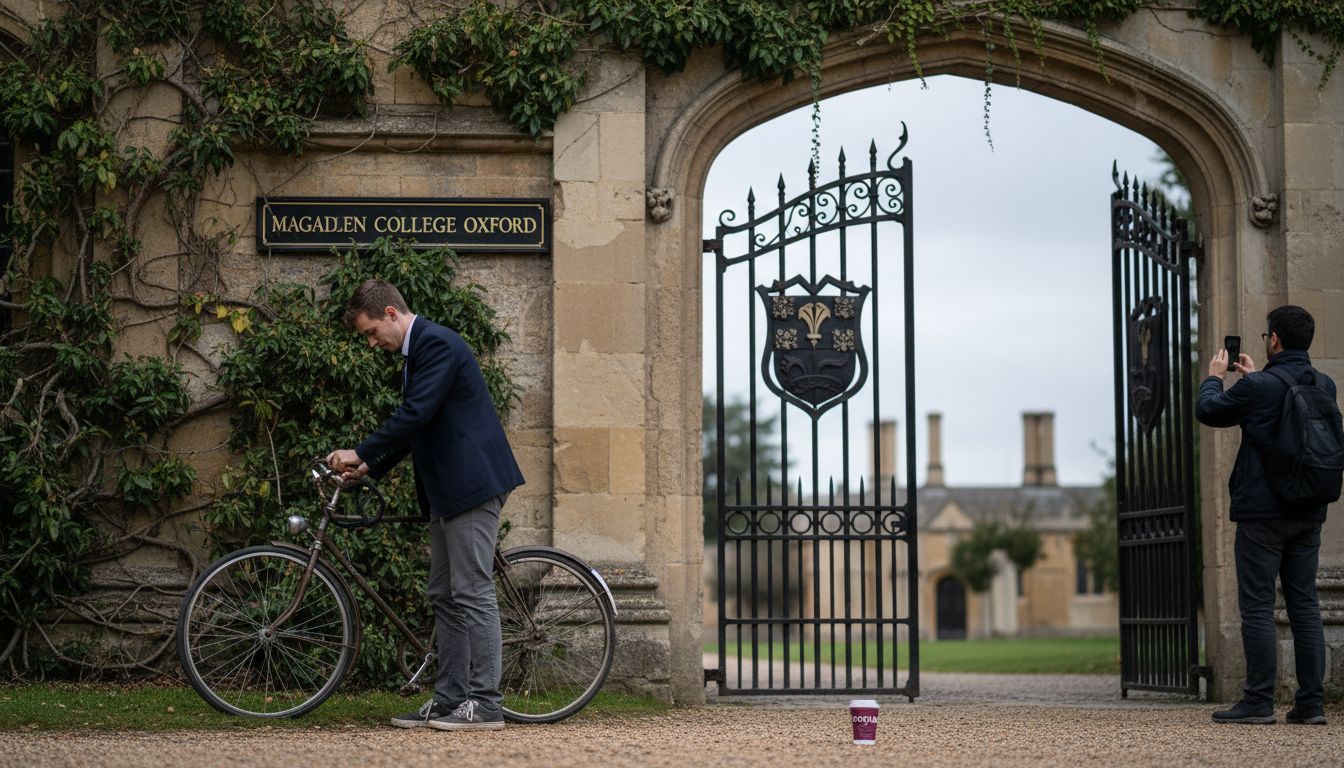
Beyond their aesthetic beauty, these colleges and buildings represent intellectual sanctuaries where knowledge has been pursued, challenged, and expanded. Walking through their hallowed halls, one can almost hear the echoes of scholarly debates, groundbreaking research discussions, and transformative conversations that have shaped global understanding. Whether you’re an academic enthusiast, history lover, or curious traveller, Oxford’s famous colleges offer an unparalleled journey through architectural and intellectual history.
Harry Potter Filming Locations in Oxford
Oxford’s magical landscape has long been a cherished backdrop for the enchanting Harry Potter film series, transforming several historic university locations into iconic cinematic settings that captured global imagination. Christ Church College’s dining hall stands as the primary inspiration for Hogwarts’ Great Hall, offering fans an extraordinary opportunity to walk through the very spaces that brought magical moments to life on screen. The college’s grand architectural elements and historic ambiance perfectly embodied the wizarding world’s mystical atmosphere.
The Great Hall’s long tables, intricate portraits, and magnificent hammer-beam ceiling contribute to its enchanting cinematic potential, making it an ideal filming location that transported viewers directly into the magical realm of Harry Potter. Beyond Christ Church, other Oxford locations like New College’s cloisters and the Bodleian Library became integral backdrops for pivotal scenes, representing the university’s architectural splendour while simultaneously creating a sense of magical realism.
Harry Potter fans can discover multiple filming locations scattered throughout Oxford’s historic colleges, each offering a glimpse into the magical world created by J.K. Rowling and brought to life by renowned filmmakers. The New College Cloisters, for instance, were used in multiple scenes, including the famous sequence where Professor Moody transforms Draco Malfoy into a ferret. The Divinity School in the Bodleian Library served as the Hogwarts infirmary, while the Duke Humfrey’s Library became a stunning backdrop for several interior scenes depicting the magical library.
These locations are more than mere film sets; they represent a magical intersection between Oxford’s rich academic heritage and the imaginative world of Harry Potter. Visitors can trace the footsteps of Harry, Ron, and Hermione, experiencing the authentic spaces that transformed cinematic fantasy into tangible reality. Each architectural detail, from Gothic archways to centuries-old stonework, contributes to the immersive experience that makes Oxford a pilgrimage site for Harry Potter enthusiasts worldwide.
Unique Architectural Styles and Features
Oxford’s architectural landscape represents an extraordinary tapestry of design styles spanning multiple centuries, offering visitors an unparalleled journey through architectural evolution. The Codrington Library at All Souls College stands as an exquisite example of Neoclassical architecture, completed in 1751 and designed by Nicholas Hawksmoor, featuring a grand columned facade that embodies symmetry and architectural precision. This magnificent structure exemplifies the intellectual refinement and classical ideals prevalent during the Enlightenment period.
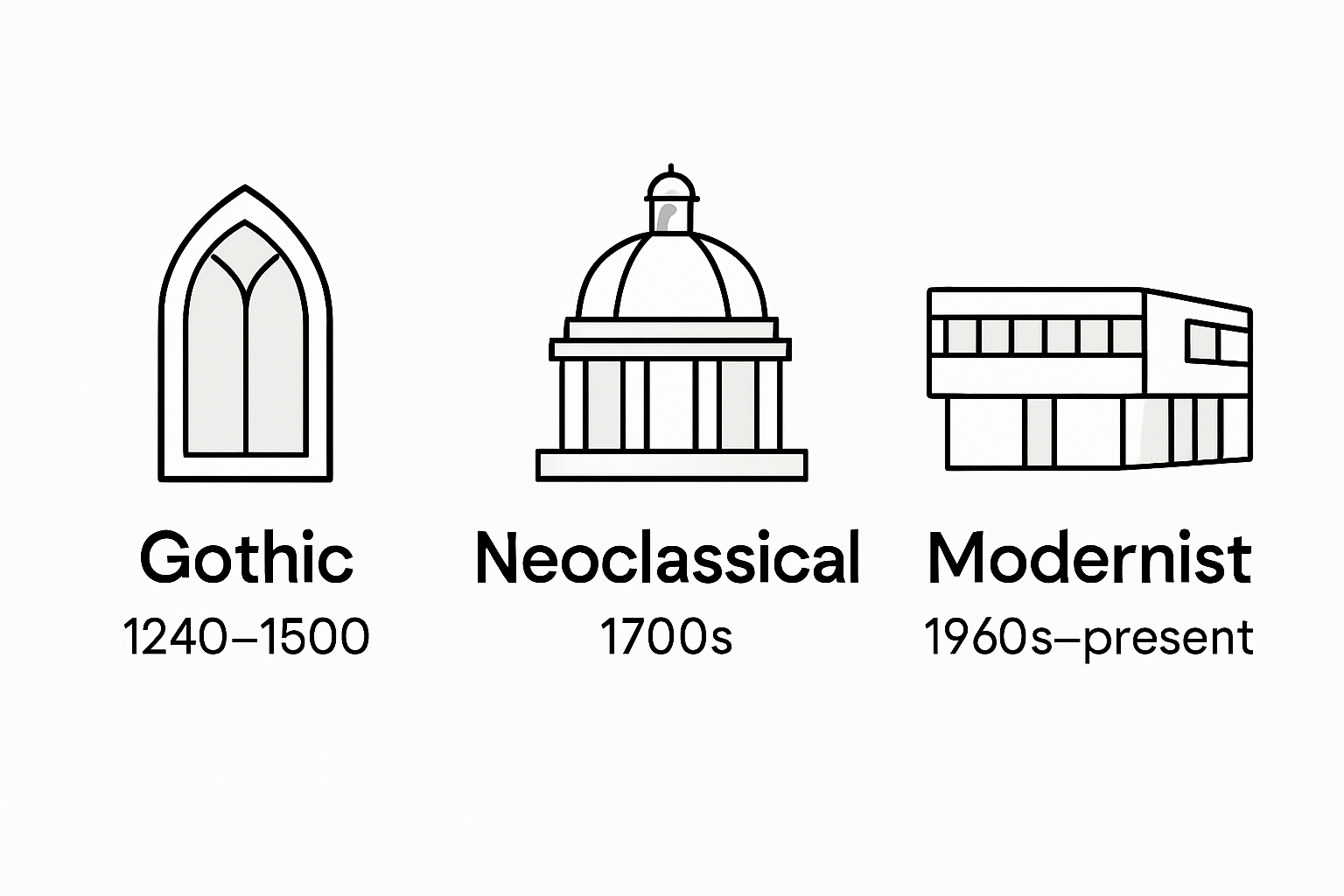
St Catherine’s College provides a striking counterpoint to traditional architectural styles, with its modernist design by Arne Jacobsen masterfully blending contemporary materials within a traditional college quadrangle layout. The college represents a bold architectural statement, demonstrating how modern design can respectfully coexist with centuries-old academic traditions. Its minimalist approach, featuring clean lines and innovative use of glass, brick, and concrete, challenges the predominantly Gothic architectural narrative of Oxford.
The university’s architectural diversity extends beyond these examples, encompassing Gothic, Renaissance, Baroque, and contemporary styles. Medieval colleges like New College and Magdalen showcase intricate Gothic stonework with soaring spires and ornate windows, while later structures like the Radcliffe Camera represent the elegance of Baroque design. Each architectural period tells a unique story of cultural and intellectual progression, reflecting the transformative nature of academic discourse through physical spaces.
Visitors exploring Oxford’s architectural landscape will discover a living museum of design evolution. From the austere stone walls of medieval colleges to the glass-and-steel constructions of modern institutions, these buildings are more than mere structures – they are narratives of human creativity, intellectual ambition, and cultural transformation. The architectural styles serve as silent witnesses to centuries of scholarly pursuit, each stone and archway holding countless stories of academic innovation and human achievement.
Live Entertainment and Magic Walking Tours
Oxford’s guided walking tours offer a unique blend of historical exploration and live entertainment, transforming traditional sightseeing into an immersive, interactive experience that captivates visitors from around the world. These tours go far beyond ordinary historical narratives, incorporating elements of theatrical storytelling, magical performances, and insider knowledge that bring the city’s rich heritage to life in extraordinary ways. Imagine walking through centuries-old college grounds while being entertained by a magician who has performed for the British Royal family, creating an experience that seamlessly merges education with enchantment.
The magic walking tours in Oxford are particularly distinctive, offering more than just a standard historical overview. They weave together multiple narrative threads – architectural history, literary connections, film locations, and genuine magical performances – to create a multisensory journey through the city’s most iconic landmarks. Visitors can explore Harry Potter filming locations, hear fascinating stories about the university’s most renowned scholars, and witness live magical performances that blur the lines between historical fact and mystical entertainment.
What sets these tours apart is their commitment to delivering genuine, high-quality entertainment alongside scholarly insights. The magicians and tour guides are not merely performers but knowledgeable storytellers who understand Oxford’s deep cultural and academic significance. They use magic as a narrative tool, helping visitors understand complex historical concepts through engaging, interactive demonstrations. This approach transforms learning from a passive experience into an active, memorable adventure that resonates long after the tour concludes.
For tourists and locals alike, these magical walking tours represent a perfect fusion of education, entertainment, and cultural exploration. They invite participants to see Oxford not just as a collection of ancient buildings, but as a living, breathing narrative of human creativity, intellectual pursuit, and wonder. Whether you’re a history enthusiast, a magic lover, or simply curious about one of the world’s most fascinating cities, these tours promise an unforgettable journey that celebrates the extraordinary spirit of Oxford.
Essential Visitor Tips and Etiquette
Navigating Oxford’s historic sites requires understanding and respecting the unique cultural and academic environment of this prestigious university, where centuries of scholarly tradition intersect with contemporary visitor experiences. Visitors must approach these historic locations with sensitivity, recognising that many college grounds are private spaces with specific access protocols. Understanding these nuanced expectations will transform your visit from a simple tourist experience into a meaningful cultural engagement.
Practical preparation is crucial for an optimal Oxford experience. Visitors should plan their itinerary carefully, considering factors such as seasonal opening times, guided tour availability, and specific college visitation rules. Many colleges have restricted access during academic terms, with certain areas reserved for students and staff. Dress codes are generally smart casual, with some more formal venues requiring more considered attire. Photography is often permitted but may be restricted in specific academic or sacred spaces, so always seek explicit permission before capturing images.
Respectful behaviour extends beyond dress and photography. Visitors are expected to maintain a quiet and contemplative atmosphere, particularly in libraries, chapels, and academic spaces. Loud conversations, disruptive behaviour, and wandering into restricted areas are strictly discouraged. When participating in walking tours or exploring independently, maintain a measured pace, listen to guide instructions carefully, and remain aware of your surroundings. These historic spaces are not merely tourist attractions but living, working environments for scholars, researchers, and students.
Additionally, supporting the local academic community through responsible tourism is paramount. Consider purchasing tickets from official sources, respect suggested donation guidelines for college visits, and understand that your contribution helps maintain these extraordinary historic sites. Small gestures of consideration – such as staying on marked paths, disposing of rubbish properly, and showing genuine interest in the historical narratives – can significantly enhance both your experience and the experience of other visitors to this remarkable academic landscape.
Discover Oxford Like Never Before with Magical Walking Tours
Exploring Oxford’s rich academic heritage and enchanting Harry Potter filming locations can feel overwhelming without insider knowledge and an unforgettable experience. The article highlights the challenge of truly connecting with the storied colleges, unique architectural styles, and iconic film sites while respecting the solemnity and tradition of these historic landmarks. Visitors often seek more than just sightseeing; they want immersive engagement, insight into the magical narratives, and the thrill of live entertainment in a setting steeped in centuries of intellectual brilliance.
At Oxford Magic Tours, we solve this by offering walking tours that combine expert storytelling with live magic performances by a magician honoured to have performed for the British Royal family and A list celebrities. Our tours bring to life the very places you have read about, including Christ Church College and Bodleian Library, blending history, architecture, and cinematic wonder into a captivating journey. Don’t miss the opportunity to experience Oxford’s landmarks through a unique lens that transforms your curiosity into amazement.
Ready to uncover the secrets behind Oxford’s most famous colleges and magical spots? Book your immersive experience today with Oxford Magic Tours and transform your visit into a memorable adventure that educates, entertains, and inspires.
Frequently Asked Questions
What are the main historical landmarks in Oxford?
Oxford is home to several significant historical landmarks, including the Bodleian Library, Radcliffe Camera, and Sheldonian Theatre. Each building showcases different architectural styles and has deep connections to the university’s academic heritage.
How does Oxford’s architecture reflect its academic history?
The architecture of Oxford features a mix of styles including Gothic, Renaissance, Baroque, and modernist designs. These elements come together to represent centuries of scholarly achievement and reflect the university’s ability to evolve while honouring its rich traditions.
What makes the Harry Potter filming locations in Oxford special?
Oxford’s historic sites served as the backdrop for many iconic scenes in the Harry Potter films, particularly Christ Church College, which inspired the Great Hall of Hogwarts. These locations allow fans to experience the blend of Oxford’s architectural beauty and the magical world created by J.K. Rowling.
How can visitors engage with Oxford’s landmarks through tours?
Visitors can participate in guided walking tours that offer insights into the history and architecture of Oxford’s landmarks. Some tours combine historical exploration with live entertainment, including magical performances, providing a unique and immersive experience of the city’s heritage.
Recommended
- Oxford Sightseeing Routes Step by Step for Tourists – Walking tours of oxford
- Things to Do in Oxford Town Centre: Top Tourist Hotspots – Walking tours of oxford
- Step-by-Step Guide to Oxford University Landmarks – Walking tours of oxford
- Unveiling the Magic of Oxford: A Comprehensive Guide to Historical Walking Tours – Walking tours of oxford
- 7 Engaging Types of City Walking Tours Explained for All