
A single stroll through the heart of Oxford reveals why over five million visitors flock to this historic British city every year. Oxford stands at the crossroads of scholarly tradition and magical storytelling, enticing history buffs and Harry Potter fans alike. Unique walking tours here go beyond surface-level sightseeing, blending centuries-old academic wonders with live entertainment that brings the university’s secrets to life. Discover what makes Oxford’s streets and stories unforgettable for curious travelers.
Table of Contents
- Defining The Historical Context Of Oxford Tours
- Major Historical Sites And Their Significance
- Blending Harry Potter And Academic Heritage
- How Live Entertainment Elevates Historical Tours
- Common Tour Misconceptions And Visitor Pitfalls
Key Takeaways
| Point | Details |
|---|---|
| Historical Tours Shine Light | Explore Oxford’s rich academic history through guided walking tours that reveal its legacy. |
| Access Requires Preparation | Be aware of restricted access to universities and historical sites, necessitating advance planning. |
| Engagement through Performance | Live entertainment in historical tours provides an immersive experience, enhancing connection to narratives. |
| Understanding College Systems | Each college has unique visiting rules; understanding this can improve your touring experience. |
Defining the Historical Context of Oxford Tours
Oxford’s historical landscape represents far more than mere architectural remnants; it embodies centuries of intellectual evolution, scholarly pursuits, and transformative cultural moments. The city’s academic roots stretch back to the late 11th century, making it one of the world’s oldest continuous centres of learning. Understanding this rich tapestry requires exploring how historical walking tours illuminate the university’s profound legacy.
The University of Oxford emerged organically, developing from informal scholarly gatherings to a globally recognised institution. The Origins of the University of Oxford Tour reveals how students and scholars gradually established academic communities, creating rigorous learning environments that would shape intellectual discourse for generations. These early scholars navigated complex political landscapes, establishing academic freedoms and intellectual traditions that continue to define Oxford’s global reputation.
Crucially, Oxford’s historical narrative is nuanced and multifaceted. The Uncomfortable Oxford Tour challenges visitors to examine the institution’s complex past, confronting themes of imperialism, social inequality, and global influence. This approach demonstrates that historical tours are not merely nostalgic presentations but critical examinations of cultural heritage, inviting participants to engage deeply with the layers of human experience embedded in Oxford’s stones and stories.
Pro Tip – Historical Context Exploration: When exploring Oxford’s historical tours, approach each location with curiosity and an open mind. Ask questions, engage with tour guides, and remember that every building, street, and pathway holds multiple narratives waiting to be discovered.
Major Historical Sites and Their Significance
Oxford’s landscape is a living museum of architectural brilliance, where each stone and spire tells a story of academic excellence and cultural heritage. The university’s 67 listed buildings represent more than mere structures; they are physical manifestations of centuries of intellectual pursuit. The Bodleian Library, Radcliffe Camera, and Sheldonian Theatre stand as iconic emblems of Oxford’s profound scholarly tradition, each building carefully preserved to maintain its original architectural integrity.
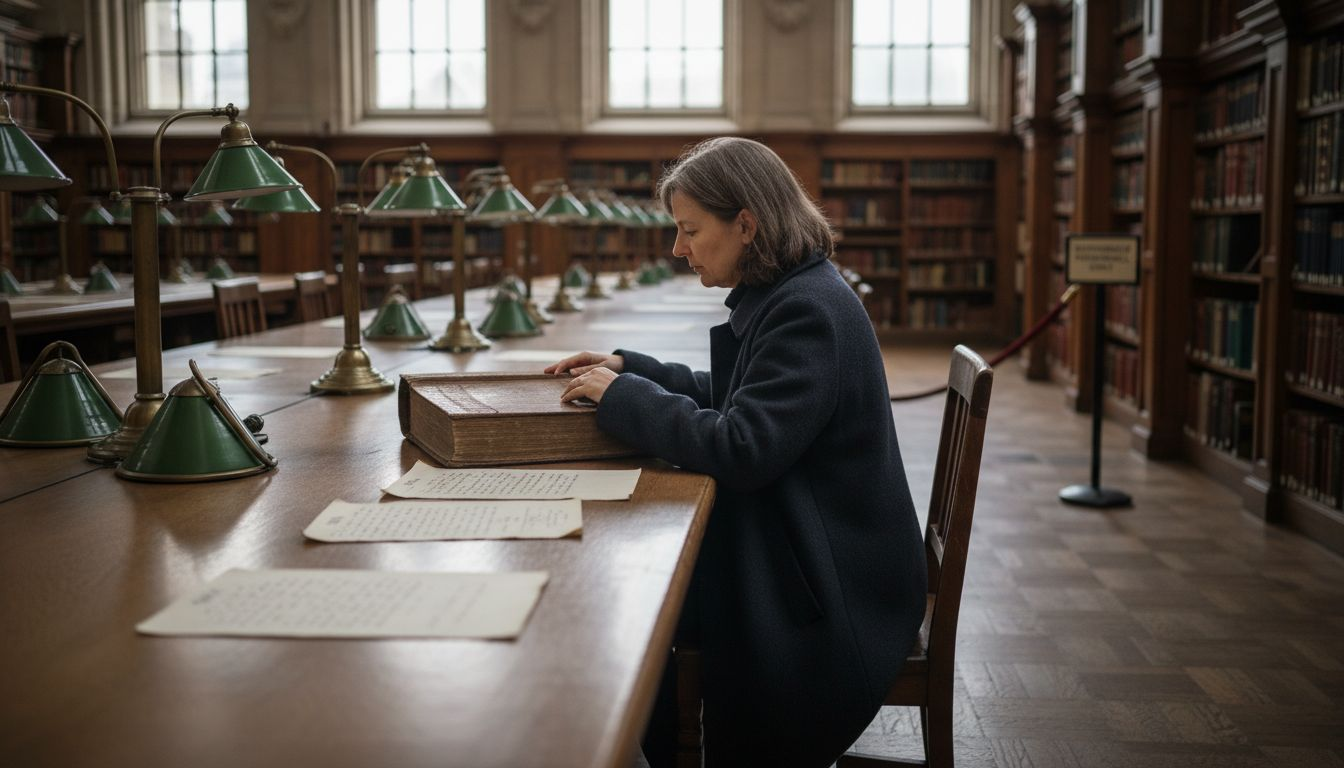
The Bodleian Library, in particular, exemplifies Oxford’s commitment to preserving academic knowledge. Guided tours of this historic library offer visitors an intimate glimpse into the heart of academic research, showcasing rare manuscripts, ancient texts, and architectural marvels that have witnessed countless scholarly breakthroughs. Its Grade I listing underscores its national significance, representing a treasure trove of human knowledge accumulated over centuries.
Beyond their architectural splendour, these sites are living testimonies to Oxford’s evolving academic landscape. The Radcliffe Camera, with its stunning circular design, and the Sheldonian Theatre, designed by Sir Christopher Wren, represent different architectural periods and philosophical approaches to learning. They demonstrate how physical spaces can inspire intellectual curiosity, serving not just as buildings but as catalysts for academic innovation and cultural exchange.
Pro Tip – Historical Site Exploration: When visiting Oxford’s historical sites, allocate sufficient time for each location. Engage with local guides, ask detailed questions, and take moments to absorb the architectural details and historical atmosphere that make each site uniquely significant.
To help visitors understand key distinctions between Oxford’s most significant historical sites, here is a concise comparison:
| Site | Notable Features | Historical Importance |
|---|---|---|
| Bodleian Library | Rare manuscripts; Grade I listed | Centre of academic research; national treasure |
| Radcliffe Camera | Striking circular design | Architectural innovation; symbol of learning |
| Sheldonian Theatre | Designed by Wren | Venue for ceremonies; 17th-century legacy |
| Christ Church College | Grand dining hall; gothic cloisters | Major film location; influential alumni |
Blending Harry Potter and Academic Heritage
Oxford’s magical allure extends far beyond its academic reputation, seamlessly intertwining scholarly history with the enchanting world of Harry Potter. City of Oxford Walking Tours reveal the intricate connections between the university’s historic spaces and the cinematic landscapes that captivated millions worldwide. The University of Oxford served as a primary filming location, transforming its centuries-old architectural marvels into the mystical backdrops of Hogwarts, creating a unique intersection of academic heritage and popular culture.
Oxford’s rich academic environment has become a magnet for visitors seeking to explore both scholarly traditions and magical cinematography. Locations like the Bodleian Library, Christ Church College, and New College featured prominently in the Harry Potter film series, offering fans an opportunity to walk through spaces that simultaneously represent intellectual achievement and magical imagination. The Gothic architecture, ancient stone corridors, and ornate halls provide an authentic backdrop that blurs the lines between historical reality and fictional enchantment.
The symbiosis between Oxford’s academic legacy and its cinematic fame creates a unique narrative experience. Visitors can trace the architectural inspirations that influenced J.K. Rowling’s magical world, understanding how the university’s profound historical depth contributed to the rich visual storytelling of the Harry Potter series. From the grand staircases that inspired Hogwarts’ moving staircases to the cloistered walkways that evoke magical passages, each location tells a multilayered story of scholarly pursuit and imaginative creativity.
Pro Tip – Magical Heritage Exploration: When touring Oxford’s Harry Potter locations, bring a keen eye for architectural details and a curiosity about the historical context. Connect the magical film scenes with the real-world inspirations that make Oxford’s spaces truly extraordinary.
How Live Entertainment Elevates Historical Tours
Live entertainment transforms historical tours from passive experiences into dynamic, immersive journeys that engage visitors on multiple sensory levels. The Uncomfortable Oxford Tour demonstrates how interactive storytelling can breathe life into historical narratives, challenging traditional lecture-style presentations by creating emotional connections with the city’s complex past. By incorporating performance elements, historical tours transcend mere information delivery, turning each narrative into a living, breathing experience that resonates deeply with participants.
Immersive performances, such as live choral presentations during the Origins of the University of Oxford Tour, illustrate how entertainment can dramatically enhance historical understanding. These performances do more than entertain; they recreate the atmosphere of different historical periods, allowing visitors to experience the emotional and cultural contexts that traditional tours often miss. The musical interpretation, dramatic reenactments, and interactive storytelling serve as powerful conduits for historical knowledge, making complex narratives accessible and memorable.
The magic of live entertainment in historical tours lies in its ability to personalise and humanise historical experiences. Performers skilled in historical interpretation can transform dry facts into compelling stories, using vocal inflections, dramatic gestures, and audience interaction to create a profound connection between visitors and the historical environment. This approach turns passive observation into active engagement, encouraging participants to see historical sites not as static monuments, but as dynamic spaces filled with human stories, emotions, and transformative moments.
Pro Tip – Narrative Engagement: When attending historical tours, actively listen and participate in live performances. Allow yourself to be emotionally present, ask questions, and imagine the human experiences behind the historical narratives.
Common Tour Misconceptions and Visitor Pitfalls
Navigating Oxford’s historic landscape requires more than enthusiasm; it demands careful preparation and realistic expectations. Visitors often mistakenly assume unrestricted access to university colleges and historic venues, leading to potential disappointment and logistical challenges. The University of Oxford and its associated institutions maintain complex access policies that can surprise unprepared travellers, making advance research critical for a smooth touring experience.
The Bodleian Library, a prime example of restricted access, requires careful planning and advance booking. Many visitors erroneously believe they can freely wander through these historic spaces, only to discover strict entry requirements and limited public access. The library’s intricate regulations, which vary depending on specific collections and areas, necessitate a nuanced approach to visiting, including pre-arranged guided tours and potential booking limitations during peak academic periods.
Beyond access restrictions, visitors frequently misunderstand the complexity of Oxford’s collegiate system. Each college has unique visiting protocols, architectural significance, and historical context. Some colleges may be closed during examination periods, while others require specific entry fees or guided tour participation. These variations demand flexibility, patience, and a willingness to adapt one’s expectations. Understanding that Oxford is a living, working academic environment – not merely a tourist attraction – helps visitors appreciate the subtle nuances of this historic institution.

Pro Tip – Strategic Planning: Research specific college and venue access requirements before your visit. Contact tour organisers in advance, check current visiting policies, and maintain a flexible itinerary to accommodate potential restrictions.
To clarify Oxford’s main access challenges for tourists, this table outlines common misconceptions and practical realities:
| Misconception | Reality | Visitor Tip |
|---|---|---|
| All colleges open to public | Access varies; many have restrictions | Check college websites before visiting |
| Bodleian Library freely accessible | Guided tours or pre-booking often required | Reserve a place in advance |
| One university, one policy | Each college manages its own rules | Read specific college policies |
| No entry during exams is rare | Some colleges close for exams and events | Plan around academic schedule |
Experience History Like Never Before on Oxford Magic Tours
The article highlights the challenge of truly engaging with Oxford’s rich and sometimes complex historical narrative. Many visitors struggle to connect with the multifaceted stories behind the architecture and academic heritage, especially when tours lack immersive elements or overlook critical perspectives. If you want to move beyond traditional walking tours and confront Oxford’s history with fresh eyes, then embracing live entertainment and storytelling is key.
Oxford Magic Tours offers the perfect solution by combining thorough historical exploration with the unique charm of a professional magician who has performed for the British Royal Family and A-list celebrities. This approach transforms your visit into a dynamic experience where scholarly heritage, Harry Potter filming locations, and interactive performance fuse seamlessly. Discover how to enrich each step with meaning and magic on the Oxford Magic Tours landing page.
Ready to make your Oxford journey unforgettable Discover the only walking tours in Oxford that bring history to life with dramatic flair and magical entertainment. Book now at Oxford Magic Tours and immerse yourself in a tour that enlightens your mind and captivates your imagination. Don’t miss out on experiencing the true magic of Oxford’s heritage today.
Frequently Asked Questions
What role does history play in Oxford tours?
History is integral to Oxford tours as it provides context and depth to the architectural sites and scholarly traditions of the university, allowing visitors to engage with the profound legacy of intellectual pursuit and cultural heritage.
How can guided tours enhance the historical experience in Oxford?
Guided tours bring history to life through expert storytelling, interactive performances, and access to rarely seen sites, creating immersive experiences that deepen visitors’ understanding of Oxford’s complex past.
Are there special considerations for visiting the Bodleian Library?
Yes, the Bodleian Library requires advance booking for guided tours and has specific access restrictions. Visitors should research and plan their visit to accommodate these requirements.
What can visitors learn from the Uncomfortable Oxford Tour?
The Uncomfortable Oxford Tour invites visitors to confront the university’s complex history, addressing themes such as imperialism and inequality, which encourages a critical examination of its cultural heritage.