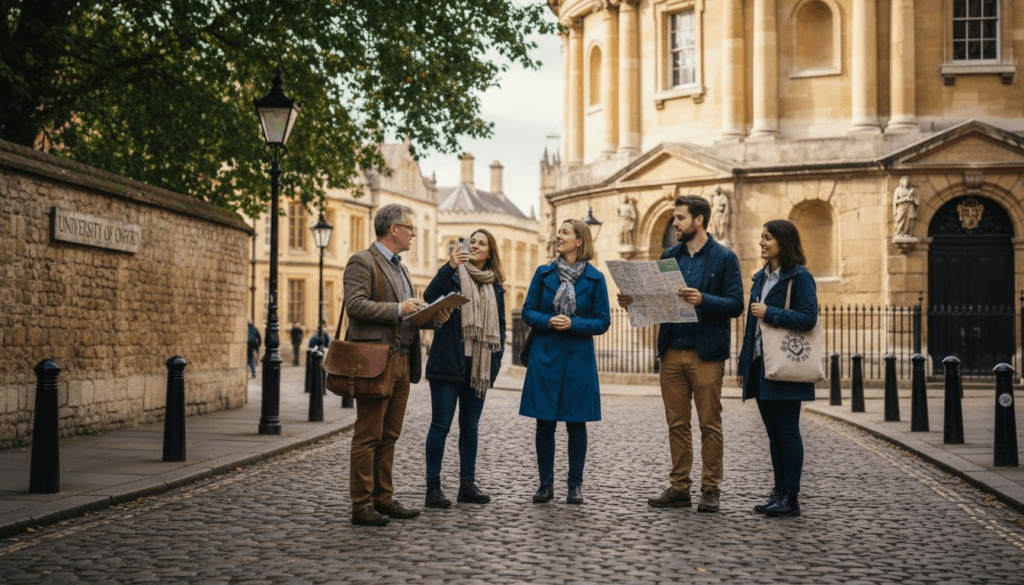
Most British and American families arrive in Oxford searching for more than standard sightseeing. For those who crave interactive adventure, historical walking tours reveal the city’s secrets in real time. Oxford’s guided tours bring stories alive and offer direct access to expert storytellers. You’ll discover why over 80 percent of visitors report deeper understanding and enjoyment compared to traditional tours, making these experiences a favourite for curious travellers who love history and magical entertainment.
Table of Contents
- Historical Walking Tour Explained And Myths
- Major Types And Themes Of Walking Tours
- Essential Features And What To Expect
- Safety, Legal, And Accessibility Requirements
- Common Mistakes And How To Avoid Them
- Comparing Historical Walking Tours To Alternatives
Key Takeaways
| Point | Details |
|---|---|
| Immersive Experiences | Historical walking tours transform sightseeing into engaging, narrative-driven journeys that connect visitors to the rich stories of a location. |
| Customised Themes | Thematic walking tours cater to various interests, covering topics from academic heritage to social movements, enriching the historical exploration. |
| Interactive Learning | Small group sizes facilitate direct interaction with expert guides, enhancing personal engagement and understanding of the historical context. |
| Accessibility Focus | Tours are designed with inclusivity in mind, ensuring diverse participant needs are met, allowing everyone to enjoy and learn from the experience. |
Historical walking tour explained and myths
Historical walking tours transform city exploration from passive sightseeing into an immersive journey through time. Unlike traditional tourist experiences, these tours connect visitors directly with the rich narrative of a location, offering more than just visual snapshots. Oxford’s walking tours represent a masterclass in storytelling, where every cobblestone and ancient building becomes a gateway to understanding the city’s extraordinary past.
Many people mistakenly believe walking tours are monotonous or exclusively designed for foreign tourists. In reality, these guided experiences provide deep insights accessible to everyone – locals and international visitors alike. Professional guides interpret historical sites not as static monuments, but as living stories. They reveal hidden connections, share fascinating anecdotes, and contextualise architectural marvels within broader historical narratives.
The magic of a historical walking tour lies in its intimate approach. Small group sizes ensure personalised interactions, allowing participants to ask questions, engage directly with expert storytellers, and experience history through a conversational lens. Each tour becomes a unique narrative journey, where academic knowledge meets storytelling craft. Oxford’s unique landscape – with its stunning university buildings, literary landmarks, and centuries of academic heritage – provides an unparalleled backdrop for these extraordinary experiences.
Pro tip: Book your walking tour early in your visit to gain context and orientation about Oxford’s remarkable historical landscape.
Major types and themes of walking tours
Historical walking tours represent far more than simple sightseeing expeditions. They are nuanced narrative experiences that explore complex historical themes through carefully curated routes and storytelling techniques. Thematic walking tours demonstrate remarkable diversity, ranging from event-based historical narratives to explorations of community identity and social dynamics.
Walking tour themes can be categorised into several distinctive approaches. Event-based tours might focus on specific historical moments like wartime experiences or significant cultural movements. Identity-focused tours explore community narratives, tracing the experiences of particular social groups through geographical spaces. Some tours tackle challenging historical topics, such as colonial legacies or social transformation, offering participants profound insights into complex societal developments.
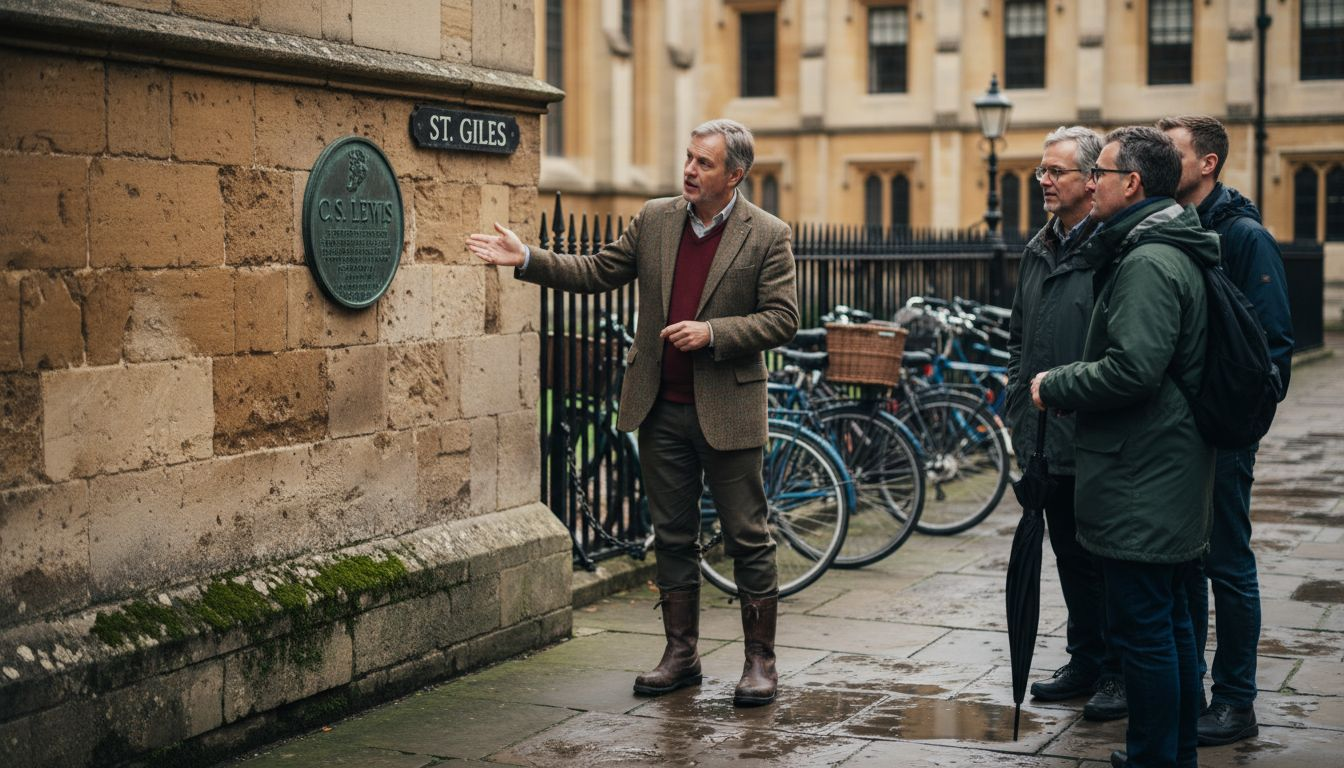
In Oxford, walking tour themes are particularly rich and multifaceted. Visitors can choose from academic heritage tours exploring university history, literary tours tracing famous writers’ footsteps, architectural tours examining collegiate building styles, and themed experiences connecting local narratives with broader historical contexts. Each tour type offers a unique lens for understanding the city’s extraordinary cultural landscape, transforming historical exploration from passive observation into an engaging, interactive experience.
Pro tip: Select a walking tour theme that aligns with your personal historical interests to maximise engagement and learning.
Essential features and what to expect
Historical walking tours transform passive observation into an immersive journey through time. Carefully structured experiences blend academic rigour with compelling storytelling, creating a dynamic exploration of historical landscapes. Professional guides curate routes that reveal hidden narratives, transforming ordinary streets into living historical documents where every cobblestone and architectural detail tells a profound story.
Participants can expect a multisensory experience that goes far beyond traditional learning methods. Guides typically employ diverse resources including archival photographs, oral histories, and archaeological insights to construct layered narratives. These tours are meticulously designed to engage multiple learning styles, ensuring that visual, auditory, and kinesthetic learners all find compelling entry points into historical understanding. The small group sizes allow for interactive discussions, enabling participants to ask questions, share observations, and develop deeper connections with the historical context.
Each walking tour is structured around a specific thematic framework, whether exploring academic heritage, social movements, architectural evolution, or cultural transformations. The experience is carefully balanced between historical accuracy and engaging interpretation, making complex historical concepts accessible and fascinating. Guides are trained not just as historians, but as storytellers who can contextualise historical events, highlight nuanced perspectives, and create meaningful connections between past and present experiences.
The following table summarises key features found in professionally organised historical walking tours:
| Key Feature | Purpose | Impact on Experience |
|---|---|---|
| Expert Guide | Delivers expertise and storytelling | Adds depth and engagement |
| Thematic Route Planning | Focuses narrative on specific themes | Creates coherent learning |
| Accessibility Measures | Ensures inclusivity | Accommodates all participants |
| Small Group Size | Enables interaction and dialogue | Personalises the journey |
| Multisensory Materials | Uses photos, artefacts, and stories | Enhances memory and interest |
Pro tip: Bring comfortable walking shoes and a curious mind to fully immerse yourself in the historical narrative.
Safety, legal, and accessibility requirements
Walking tours in Oxford prioritise participant safety and legal compliance through comprehensive planning and risk management strategies. Accessibility standards play a crucial role in ensuring these experiences are inclusive and welcoming to all participants, regardless of individual mobility or sensory capabilities. Tour organisers meticulously design routes that balance historical exploration with careful consideration of physical requirements and potential limitations.
The legal framework governing walking tours is underpinned by the Equality Act 2010, which mandates reasonable adjustments to ensure public services remain accessible. This legislation requires tour providers to develop flexible approaches that accommodate diverse participant needs. Key considerations include route selection, terrain assessment, walking pace, rest intervals, and providing alternative options for individuals with varying physical capabilities. Professional tour companies invest significant effort in creating detailed risk assessments, ensuring participant safety through comprehensive planning and proactive management.
Accessibility features typically include multiple tour options with varying difficulty levels, advance information about route characteristics, availability of mobility assistance, and clear communication about physical requirements. Some tours offer specialised routes for participants with limited mobility, providing alternative experiences that maintain the richness of historical storytelling. Tour guides are trained to provide supportive, personalised assistance, ensuring every participant can engage meaningfully with the historical narrative regardless of their physical capabilities or sensory requirements.
Pro tip: Contact the tour provider in advance to discuss specific accessibility requirements and receive personalised recommendations.
Common mistakes and how to avoid them
Historical walking tours require careful planning to ensure an engaging and meaningful experience. Avoiding common tour mistakes begins with understanding the most frequent pitfalls that can diminish participant enjoyment and learning. Inexperienced tour organisers often overload participants with excessive historical details, creating information fatigue that overwhelms rather than enlightens.
One critical error is neglecting to tailor the tour’s content and pace to the specific audience. Different groups have varying fitness levels, historical knowledge, and interest depths. Professional tours carefully assess participant demographics, designing routes and narratives that accommodate diverse needs. This might involve offering multiple tour variations, providing rest intervals, and creating flexible narrative approaches that can be adjusted in real-time based on group engagement and energy levels.
Route planning represents another crucial area where mistakes frequently occur. Poor route selection can lead to logistical challenges, physical discomfort, and reduced historical immersion. Successful tours meticulously pre-walk their routes, considering factors like terrain difficulty, walking distances, accessibility of historical sites, and potential interruptions. Guides must balance historical storytelling with practical considerations, ensuring participants remain comfortable, engaged, and capable of absorbing the rich historical narratives being shared.
Pro tip: Request a detailed tour description and discuss your personal capabilities with the tour provider before booking to ensure the best possible experience.
Comparing historical walking tours to alternatives
Historical walking tours represent a transformative approach to experiencing heritage that fundamentally differs from traditional learning methods. Embodied historical experiences offer an immersive alternative to passive observation found in museums or digital archives. By physically traversing landscapes where historical events unfolded, participants engage with the past through a multisensory, deeply personal encounter that textbooks and static exhibits cannot replicate.
Unlike conventional tourism approaches, walking tours challenge established narratives by creating dynamic spaces for critical dialogue and community perspectives. These tours go beyond simple sightseeing, encouraging participants to interrogate historical interpretations, understand complex local contexts, and connect with lived experiences. Where bus tours provide quick, superficial glimpses and museum exhibitions offer curated, structured narratives, walking tours allow for spontaneous discovery, personal reflection, and nuanced understanding of historical landscapes.
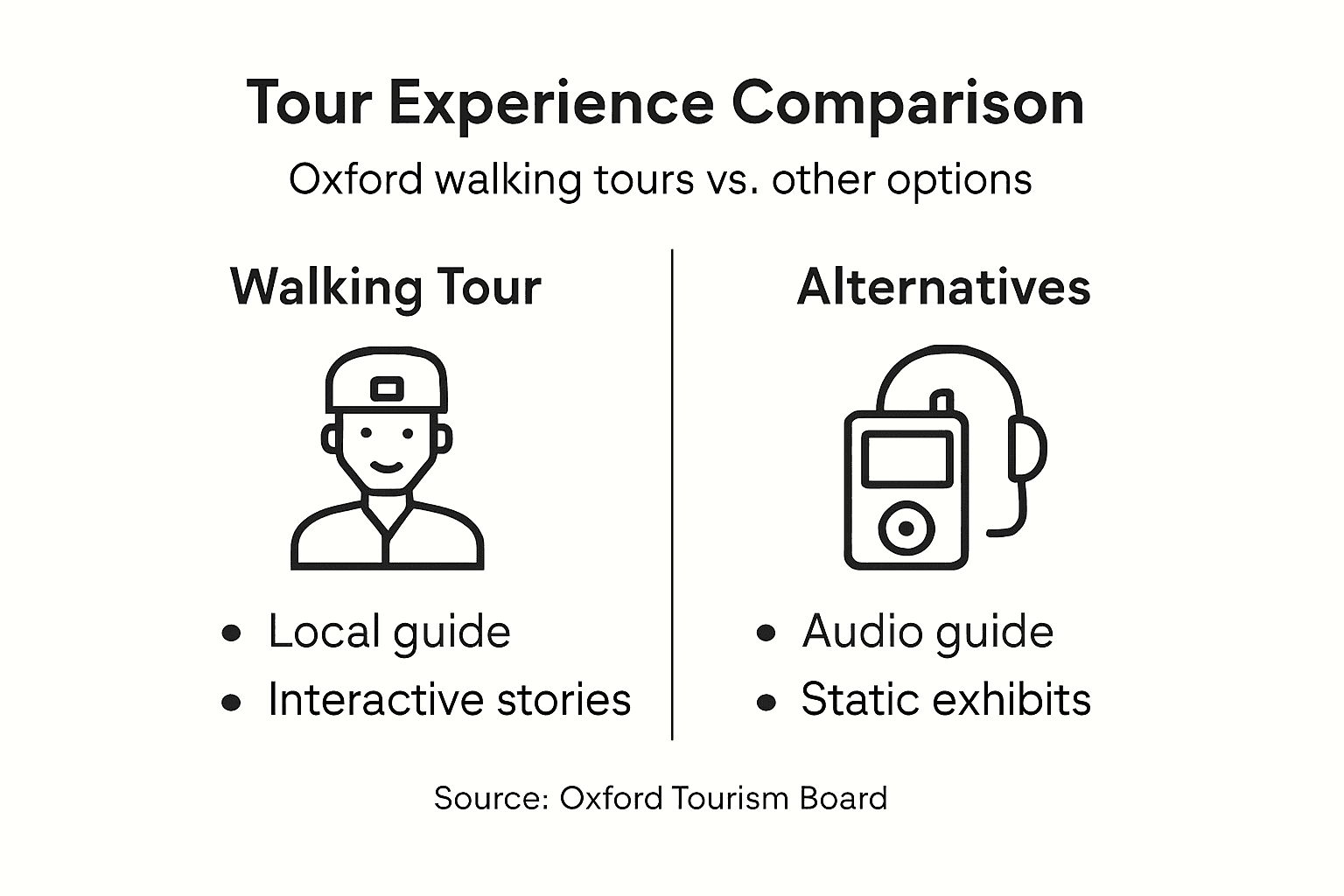
Comparative experiences reveal significant advantages of walking tours. Audio guides offer limited interaction, digital platforms lack physical context, and bus tours restrict movement and sensory engagement. Walking tours, by contrast, enable participants to touch historical architecture, pause at meaningful sites, ask questions, and develop a visceral connection with historical environments. Professional guides transform these journeys from mere information delivery into rich, contextualised storytelling experiences that respect the complexity of historical interpretation.
Here’s a concise comparison of historical walking tours versus popular alternatives for engaging with local history:
| Experience Type | Interaction Level | Sensory Engagement | Flexibility for Questions |
|---|---|---|---|
| Walking Tour | High, with guide | Multisensory, immersive | Direct, real-time discussion |
| Museum Exhibition | Moderate, curated | Visual, limited tactile | Structured Q&A at intervals |
| Audio Guide | Low, pre-recorded | Mainly auditory | No live feedback |
| Bus Tour | Low, passive | Visual through windows | No interaction with guide |
| Digital Archive | None, remote access | Visual, sometimes audio | No interactive feedback |
Pro tip: Choose walking tours that explicitly emphasise interactive storytelling and local perspectives to maximise your historical understanding.
Experience Oxford’s History Like Never Before
The article highlights the importance of immersive historical walking tours that transform passive sightseeing into engaging, multisensory journeys through time. Many visitors seek deeper connections with Oxford’s rich academic heritage and hidden stories but often face tours that lack personalised interaction or unique narrative experiences. If you want to avoid common pitfalls like overcrowded groups or purely informational tours, step into an unforgettable world where history comes alive.
At Oxford Magic Tours, we blend expert storytelling with live entertainment featuring a magician who has performed for the British Royal Family and A-list celebrities. Our walking tours through Oxford University and Harry Potter filming locations offer a rare combination of historical insight and magical surprises that captivate all ages. Experience the city’s stunning landmarks with a guide who engages every sense and personalises the journey to your interests.
Why wait to make your visit to Oxford truly memorable There is no better time to join a tour that combines education with enchantment. Book your place now on Oxford’s most unique walking tours and discover history told in a way you have never seen before.
Frequently Asked Questions
What are the benefits of going on a historical walking tour?
Historical walking tours provide immersive experiences that engage multiple senses. They allow participants to connect with the past through storytelling, personal interactions with guides, and exploration of significant landmarks, making history more accessible and relatable.
How should I prepare for a historical walking tour?
To get the most out of your historical walking tour, it’s advisable to wear comfortable walking shoes, bring water, and have a curious mindset. Booking the tour early in your visit can also enhance your understanding of the historical context.
What types of themes can I expect from walking tours?
Walking tours can explore various themes, including academic heritage, literary history, community identity, and significant historical events. Choosing a theme that resonates with your interests will enhance your engagement and learning.
Are historical walking tours accessible for everyone?
Yes, reputable walking tours prioritize accessibility by offering routes designed for all capabilities. It’s recommended to contact the tour provider in advance to discuss any specific accessibility needs, ensuring a comfortable experience for every participant.