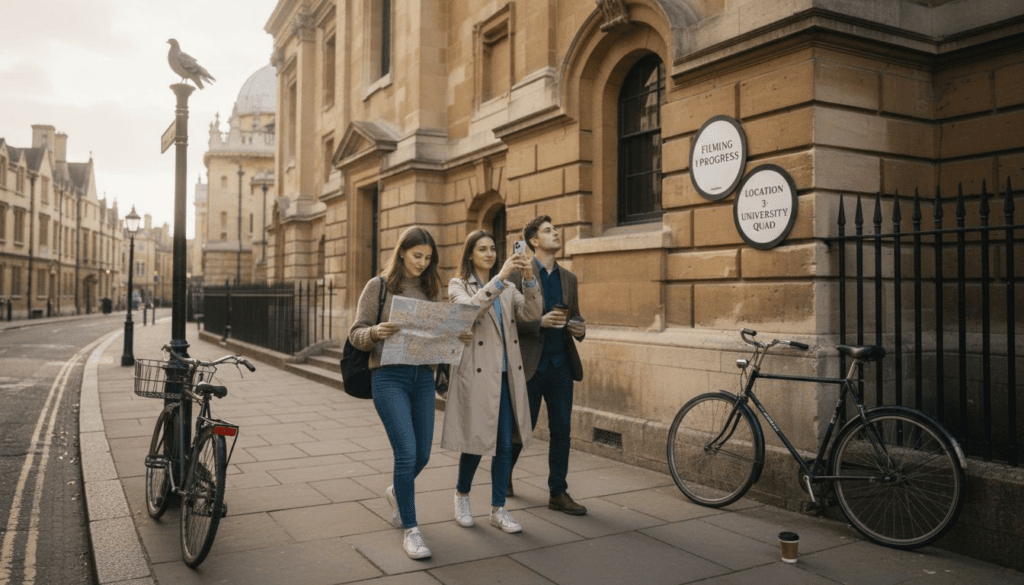
Over 500,000 international visitors experience Oxford’s film magic each year, making it one of the most vibrant British cinematic destinations in Europe. For American fans of Harry Potter, the city’s storied colleges and breathtaking architecture promise a spellbinding journey through real-life Hogwarts locations. This guide highlights how Oxford blends live entertainment and immersive walking tours, ensuring unforgettable adventures in iconic settings where British film history and magical fantasy meet.
Table of Contents
- Oxford As A Film Backdrop Explained
- Diverse Genres And Notable Productions
- Key Harry Potter Filming Sites
- Oxford’s Architecture And Cinematic Appeal
- Tourism, Economic Impact And Local Industry
- Mistakes To Avoid When Film Spotting
Key Takeaways
| Point | Details |
|---|---|
| Cinematic Heritage | Oxford’s unique architectural diversity and scholarly history make it a sought-after filming location, rich in cultural authenticity. |
| Versatile Filming Genres | The city hosts a wide range of cinematic genres, successfully portraying both fantasy and historical narratives. |
| Economic Impact | Film tourism has significantly boosted local businesses and encouraged the development of film production educational courses. |
| Respectful Exploration | Visitors should verify access to filming locations and adhere to local guidelines to ensure respectful engagement with the community. |
Oxford as a Film Backdrop Explained
Oxford’s extraordinary cinematic heritage stems from its breathtaking architectural landscape and profound academic legacy. The city has become a premier filming destination, offering filmmakers an authentic slice of British cultural history. Its picturesque streets and historic colleges provide an unparalleled backdrop that seamlessly transports audiences across different eras and narratives.
The city’s architectural diversity plays a crucial role in its film appeal. Gothic spires, Neoclassical structures, and medieval stonework create a visual tapestry that can represent everything from medieval settings to contemporary academic environments. Filmmakers particularly appreciate Oxford’s ability to represent scholarly institutions with genuine historical depth, making it an ideal location for productions requiring intellectual authenticity.
Beyond its visual splendour, Oxford’s film prominence comes from its ability to embody multiple narrative contexts. From Harry Potter’s magical world to period dramas depicting British social history, the city serves as a chameleon-like backdrop that can transform to suit diverse storytelling needs. Its colleges, libraries, and public spaces have featured in numerous internationally recognised productions, cementing Oxford’s reputation as a premier cinematic location.
Pro tip: When exploring Oxford’s film locations, arrive early in the morning to capture the most atmospheric shots and avoid tourist crowds.
Diverse Genres and Notable Productions
Oxford’s cinematic versatility shines through its remarkable ability to host productions across multiple genres. Films spanning historical dramas to fantasy have transformed the city into a globally recognised filming destination. From the magical world of Harry Potter to intricate period pieces, Oxford provides filmmakers with an extraordinary canvas for storytelling.
Notable productions have showcased the city’s remarkable range. The Harry Potter series used Oxford’s Gothic architecture to create Hogwarts’ enchanting interiors, while superhero film Doctor Strange utilised the university’s magnificent buildings as mystical backdrops. Brideshead Revisited captured the city’s aristocratic elegance, demonstrating Oxford’s capacity to represent different historical epochs with remarkable authenticity.
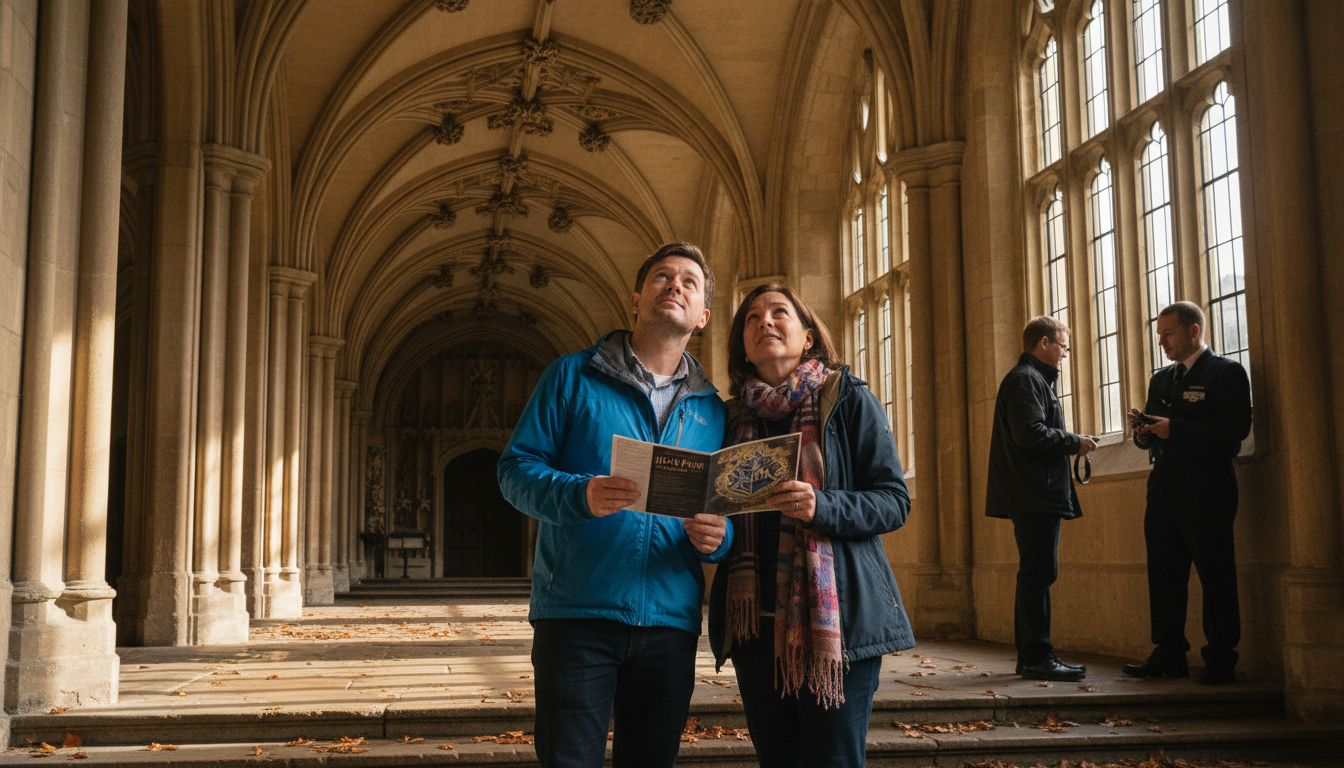
Internationally, Oxford has attracted filmmakers beyond British productions. Bollywood cinema has also embraced the city’s visual splendour, featuring its iconic landscapes in several Indian films. This global recognition underscores Oxford’s universal appeal as a cinematic location that transcends cultural and genre boundaries. The city’s architectural diversity allows filmmakers to recreate almost any narrative setting, from medieval monasteries to contemporary academic environments.
Pro tip: When scouting Oxford for film locations, collaborate with local historical preservation societies to ensure authentic and respectful representation of the city’s architectural heritage.
Key Harry Potter Filming Sites
Oxford’s architectural splendour made it an ideal backdrop for capturing the magical world of Harry Potter. Historic locations within Oxford were transformed into iconic Hogwarts settings, with Christ Church College emerging as a particularly significant filming location. The college’s majestic Hall served as direct inspiration for the Great Hall, where countless memorable scenes were brought to life.
Duke Humphrey’s Library represents another crucial Harry Potter filming site, providing the atmospheric backdrop for several pivotal library scenes. The library’s medieval architecture and intricate wooden shelves perfectly captured the mystical academic environment that J.K. Rowling envisioned. Filmmakers meticulously selected Oxford’s locations to ensure visual authenticity, leveraging the city’s centuries-old buildings to create a believable magical universe.
Beyond Christ Church and Duke Humphrey’s Library, other Oxford locations played significant roles in the Harry Potter films. New College’s cloisters, with their stunning gothic architecture, featured prominently in multiple scenes, while the Bodleian Library’s remarkable interiors provided additional magical backdrops. These locations were not merely sets but integral storytelling elements that transported audiences into the wizarding world, showcasing Oxford’s unique ability to blur the lines between historical reality and cinematic fantasy.
Here is a summary of key Oxford filming locations and their associated film genres:
| Location | Architectural Style | Notable Film Genre | Recognised Production |
|---|---|---|---|
| Christ Church College | Gothic | Fantasy | Harry Potter series |
| Bodleian Library | Medieval/Baroque | Historical Drama | Brideshead Revisited |
| New College Cloisters | Gothic | Fantasy/Adventure | Harry Potter series |
| University Public Spaces | Neoclassical/Baroque | Superhero, Bollywood | Doctor Strange |
| Duke Humphrey’s Library | Medieval | Fantasy/Academic Mystery | Harry Potter series |
Pro tip: When exploring Harry Potter filming locations in Oxford, bring a detailed map and comfortable walking shoes to fully appreciate the magical architectural details.
Oxford’s Architecture and Cinematic Appeal
Oxford’s architectural landscape represents a mesmerising tapestry of historical design that has captivated filmmakers worldwide. Distinctive architectural styles ranging from Gothic spires to Neoclassical facades create a visual playground that transforms cinematic narratives. The city’s buildings are not merely backgrounds but active storytelling elements that breathe life into film productions.
The architectural diversity of Oxford offers filmmakers an extraordinary palette of visual opportunities. Gothic colleges with their intricate stonework, Baroque libraries with sweeping interiors, and Neoclassical public spaces provide distinct environments that can represent multiple historical periods and narrative contexts. This versatility allows directors to craft immersive worlds without extensive set construction, leveraging Oxford’s natural architectural grandeur to create authentic and visually stunning scenes.
Beyond aesthetic appeal, Oxford’s architecture communicates a profound sense of intellectual heritage and timeless sophistication. The city’s buildings embody centuries of academic tradition, making them ideal for productions seeking to convey depth, tradition, and scholarly excellence. From period dramas to fantasy films, these architectural spaces transcend mere physical settings, becoming characters in their own right that add layers of meaning and atmospheric richness to cinematic storytelling.
Pro tip: When photographing Oxford’s architectural marvels, visit during early morning or late afternoon to capture the most dramatic lighting and minimal tourist interference.
Tourism, Economic Impact and Local Industry
Oxford’s film industry has transformed the city into a significant cultural and economic powerhouse, with major film productions driving tourism far beyond traditional academic travel routes. The Harry Potter series, in particular, has catalysed an extraordinary surge in international visitors seeking to explore iconic filming locations, turning the city into a global cinematic destination that generates substantial economic value for local businesses.
The impact extends well beyond simple tourist numbers. Local hospitality, retail, and service industries have experienced remarkable growth directly attributed to film tourism. Specialised walking tours, themed merchandise, and location-specific experiences have emerged as lucrative economic niches. Small businesses, from cafes near filming sites to souvenir shops, have strategically positioned themselves to capitalise on the city’s newfound cinematic fame, creating a robust ecosystem of film-related economic opportunities.

Moreover, Oxford’s film industry has stimulated broader cultural and educational developments. Local universities and colleges have responded by developing specialized film production courses, technical training programmes, and industry partnerships. These initiatives not only support the growing local film infrastructure but also position Oxford as a centre of cinematic innovation, attracting talent, investment, and creative professionals from around the world. The symbiosis between academic excellence and creative industries has transformed Oxford from a traditional academic centre to a dynamic cultural and economic hub.
Below is a comparison of Oxford’s economic and cultural impact from film tourism versus traditional tourism:
| Aspect | Film Tourism Impact | Traditional Academic Tourism |
|---|---|---|
| Visitor Demographics | International fans & enthusiasts | Students, scholars, academics |
| Spending Patterns | High on tours and merchandise | Moderate, focused on essentials |
| Local Economy Benefit | Growth in retail and hospitality | Boost to bookshops and colleges |
| Seasonality | Peaks around film releases | Peaks during academic calendar |
Pro tip: Book accommodation and tours well in advance during peak film tourism seasons to secure the best experiences and prices.
Mistakes to Avoid When Film Spotting
Film enthusiasts exploring Oxford’s cinematic landscape must navigate carefully to ensure an authentic and respectful experience. Common film spotting errors can quickly derail an otherwise exciting tour, transforming potential excitement into frustration. Understanding these pitfalls is crucial for creating memorable and meaningful location visits.
One of the most significant mistakes is failing to verify public access to filming locations. Many Oxford colleges and university spaces are private institutions with restricted entry, and uninformed visitors might find themselves turned away or inadvertently breaching institutional protocols. Architectural similarities between colleges can also lead to misidentification, causing tourists to mistakenly photograph the wrong location and miss genuine film sites. Thorough research beforehand, including checking visiting hours, guided tour availability, and specific filming location details, becomes essential for an accurate exploration.
Respect for the environment and local community represents another critical consideration. Film spotters must remember they are visitors in an active academic and residential setting. Inappropriate behaviour such as excessive noise, blocking pathways, or attempting unauthorized photography can create tensions with local residents and institution staff. Responsible film tourism means maintaining a low profile, following established guidelines, and prioritising the preservation of these historic spaces over personal photographic ambitions. Guided tours specifically designed for film enthusiasts often provide the most comprehensive and respectful approach to exploring Oxford’s cinematic heritage.
Pro tip: Always carry a detailed map and verify filming locations with official sources before attempting independent exploration.
Experience Oxford’s Film Magic Like Never Before
Discover why Oxford captivates filmmakers worldwide through our exclusive walking tours of Oxford University and the iconic Harry Potter filming locations. The article emphasises key challenges like understanding the rich architectural heritage and accessing authentic sites without confusion or frustration. Our tours solve these problems by providing expert guidance through the city’s historic landscapes, enriched with live entertainment from a magician celebrated by the British Royal family and A list celebrities. This unique combination brings to life the city’s magic, heritage, and cinematic fame while ensuring you do not miss any essential details described in the piece.
Do not just read about Oxford’s film hotspot status; immerse yourself in it. Secure your spot now on the only walking tour that combines authentic storytelling with engaging live magic. Visit Oxford Magic Tours to learn more and book your adventure today—step into the world where film history and wizardry meet. Perfect for film fans wanting an unforgettable experience with zero guesswork and maximum wonder.
Frequently Asked Questions
Why is Oxford considered a premier filming location?
Oxford is celebrated for its stunning architecture and rich academic heritage, which provide an authentic British backdrop for various film genres, making it an appealing choice for filmmakers.
What notable films have been shot in Oxford?
Oxford has been featured in numerous acclaimed films, including the Harry Potter series, Brideshead Revisited, and Doctor Strange, showcasing its diverse filming capabilities across different genres.
How does Oxford’s architecture contribute to its cinematic appeal?
The architectural diversity in Oxford, ranging from Gothic and medieval designs to Neoclassical structures, enhances storytelling by providing visually striking settings that convey various historical and narrative contexts.
What are some tips for visiting Oxford’s film locations?
Visitors should arrive early to avoid crowds, carry a detailed map, and check access details for filming locations, as many sites are private institutions with restricted entry.