TL;DR:
- Proper preparation for a walking tour involves choosing the right footwear, packing light with essentials, and planning routes with anchor points. Training three months in advance with stair and core exercises builds endurance, while route flexibility ensures enjoyment despite surprises. This thorough readiness enhances comfort, confidence, and the overall experience of exploring a city on foot.
A walking tour preparation guide covers everything from footwear selection and packing to route planning and physical training. Get these four areas right and you will arrive at your tour comfortable, confident, and ready to absorb every moment. Miss one and you risk blisters, fatigue, or a dead phone battery at the worst possible time. Standard professional walking tours typically last 2 to 4 hours, so preparation is not optional. Oxfordmagictours recommends arriving 10–15 minutes early to settle before the tour begins.
What is a walking tour preparation guide and why does it matter?
A walking tour preparation guide is a structured checklist covering gear, fitness, packing, and route logistics before you set foot on the pavement. Most travellers focus only on what to wear and ignore the other three areas entirely. That imbalance is the most common reason people cut tours short or spend the final hour in discomfort. The walking tour essentials covered here apply whether you are exploring Oxford’s historic colleges, Harry Potter filming locations, or any city centre on foot.
What footwear and clothing should you choose for a walking tour?
Footwear is the single most important decision in any walking tour preparation. Wearing brand-new shoes causes blisters, particularly on cobblestones or uneven historic streets. Break in your shoes with at least three or four practice walks before the tour date. Your feet will thank you by hour three.
Choosing the right shoes
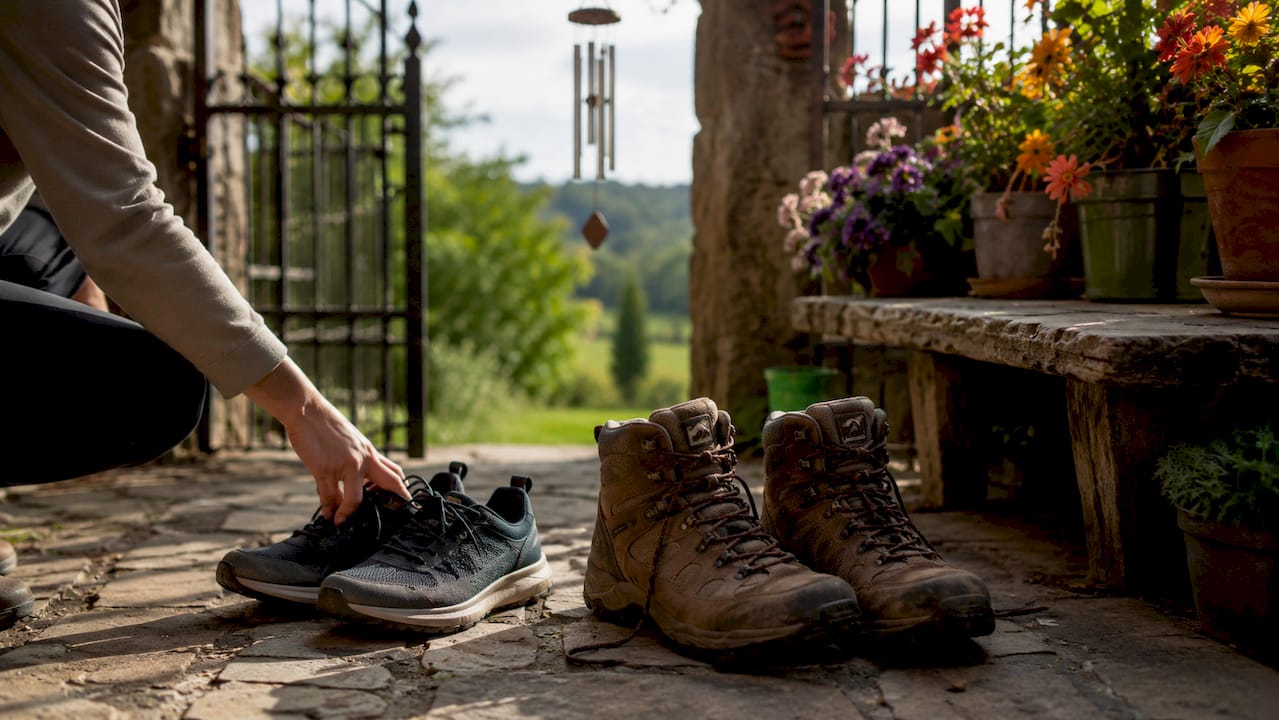
The best shoes for most urban and moderate terrain walking tours share three qualities: cushioning, good traction, and a secure fit. Trainers from brands such as New Balance, HOKA, or Saucony work well for city walking. Heavy hiking boots are unnecessary for paved or lightly uneven routes and add fatigue over distance.
- Cushioned trainers or walking shoes with a grippy sole
- Moisture-wicking socks to reduce friction and prevent blisters
- Avoid flip-flops, sandals, or stiff leather shoes on any tour over 90 minutes
Pro Tip: Choose lightweight trainers over heavy hiking boots for urban tours. They reduce leg fatigue significantly over two to four hours of walking.
Clothing layers and weather protection
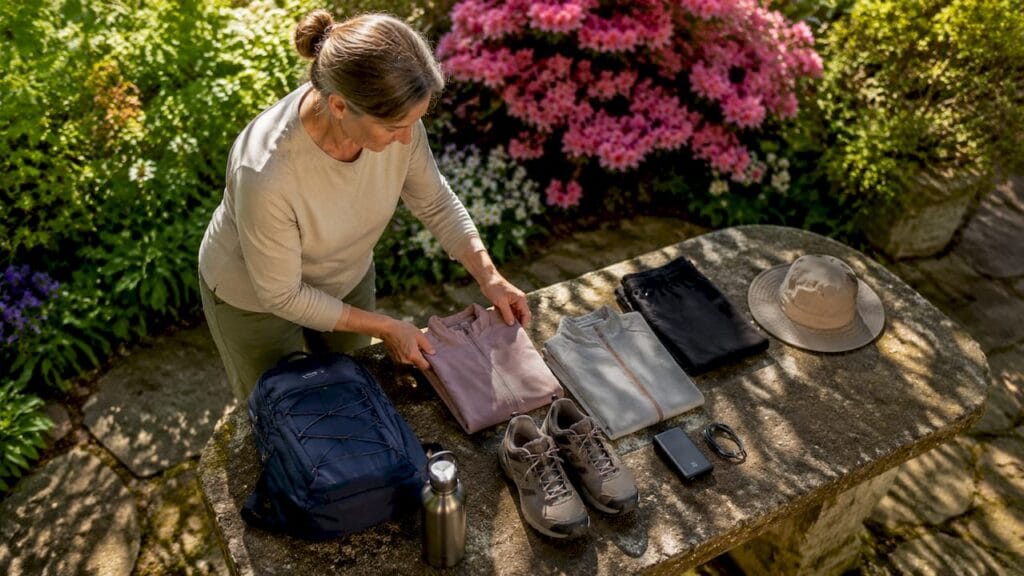
Oxford weather is famously unpredictable, so layering is the correct approach. Start with a moisture-wicking base layer, add a mid-layer fleece if temperatures are below 15°C, and always carry a lightweight, packable rain jacket. A wide-brimmed hat or cap and UV-protective sunglasses protect you on sunny days. Avoid heavy denim jeans, which restrict movement and take a long time to dry if caught in a shower.
What are the walking tour essentials to pack?
The golden rule for packing is one small daypack only. A heavy rucksack shifts your centre of gravity, strains your shoulders, and makes you miserable by midday. Pack light and pack with purpose.
The core walking tour checklist
Every traveller should carry these items regardless of tour length or location:
- Refillable water bottle (at least 500ml): dehydration accelerates fatigue faster than most travellers expect
- High-factor sunscreen (SPF 30 or above): even overcast British days carry UV risk
- Snacks: granola bars, nuts, or dried fruit provide steady energy without weighing you down
- Portable phone charger: your phone handles navigation, photography, and emergency contacts simultaneously
- Sunglasses and a compact umbrella or rain jacket: weather changes quickly, especially in the UK
For a deeper look at what to bring, the essential gear for city walking tours guide covers specific product recommendations and weight targets.
Tech and navigation essentials
Download offline maps before you leave your accommodation. Google Maps and Maps.me both allow offline downloads for specific cities. Confirm the opening hours of any attractions on your route the evening before. A closed college gate or locked museum entrance can derail a carefully planned route mid-tour.
Pro Tip: Charge your portable charger the night before, not the morning of. A half-charged power bank is almost as useless as none at all.
How to plan and map your walking tour route effectively
Route planning separates a frustrating tour from a genuinely enjoyable one. The best walking tours are built around anchor points, not landmarks. Anchor points are practical stops: public toilets, transit stations, cafés, and taxi pick-up spots. Place these first on your map, then fill in the sights around them.
Building your route step by step
- Mark your anchor points first. Identify at least one public toilet and one transit stop per 45 minutes of walking.
- Create a single continuous loop. Avoid routes that double back on themselves. Retracing steps kills momentum and wastes time.
- Add your key sights. Slot landmarks and viewpoints between anchor points, not the other way around.
- Build in buffer time. Add 10–15 minutes per major stop for rest, photography, or browsing. Rushed tours are forgettable tours.
- Mark bailout points. Identifying bailout points such as transit stops or taxi pick-up locations gives you flexibility if energy drops or weather turns.
Route timing: a practical reference
| Tour length | Major stops | Buffer time to add | Total planning time |
|---|---|---|---|
| 1 hour | 2–3 | 20–30 minutes | 1 hour 30 minutes |
| 2 hours | 4–5 | 40–50 minutes | 2 hours 45 minutes |
| 3 hours | 6–8 | 60–80 minutes | 4 hours |
The table above shows why most self-guided tours run over schedule. Travellers plan for the walk but forget to plan for the stops. Build the buffer in before you leave.
For a detailed look at Oxford-specific routes, the comprehensive Oxford walking guide covers distances, terrain, and key points of interest across the city.
What physical preparation should you do before your walking tour?
Physical readiness is the most overlooked part of any walking tour checklist. Most travellers assume that because they walk every day, they are ready for a three-hour tour on uneven historic terrain. They are not.
A four-step training plan
- Start three months out. Increase your weekly activity by 10–20% each week. This gradual build prevents injury and develops the endurance needed for sustained walking.
- Add stair training. Stair training is critical preparation for historic sites, which often involve steps, steep lanes, and uneven ground without lift access. Aim for three stair sessions per week.
- Build core strength. Core strength exercises like planks improve balance and make carrying a daypack far more comfortable over long distances. Two sets of 30-second planks daily is a realistic starting point.
- Train in your tour shoes. Wear the exact shoes you plan to use on tour during every training walk. This breaks them in properly and reveals any fit issues before the tour day.
Pro Tip: After each training walk, elevate your feet for 10 minutes and massage your arches. This speeds recovery and reduces soreness the following day.
Hydration and recovery habits
Drink water consistently during training walks, not just when you feel thirsty. Thirst is a late signal. Aim for at least 500ml per hour of walking in warm conditions. Post-walk recovery matters as much as the walk itself. Stretching your calves, hamstrings, and hip flexors after each session reduces the cumulative stiffness that builds over a multi-day trip.
Key takeaways
Effective walking tour preparation combines the right footwear, a light and purposeful pack, a route built around anchor points, and a training programme started at least three months before your tour date.
| Point | Details |
|---|---|
| Break in your shoes | Wear your tour shoes on multiple practice walks before the tour to prevent blisters. |
| Pack light and purposefully | Carry only a small daypack with water, snacks, sunscreen, and a portable charger. |
| Plan routes around anchor points | Mark toilets and transit stops before landmarks for a more practical, walkable route. |
| Build in buffer time | Add 10–15 minutes per major stop to avoid a rushed and forgettable experience. |
| Train gradually and specifically | Increase weekly activity by 10–20% over three months and include stair and core training. |
What I have learned from years of walking Oxford’s streets
Walking tours reward preparation in a way that other travel experiences simply do not. I have seen travellers arrive in Oxford wearing brand-new leather shoes and leave an hour early because their feet gave out. I have also seen people arrive in worn-in trainers with a small pack and stay engaged for every single minute of a three-hour tour.
The thing most guides do not tell you is that the physical preparation matters more than the gear. You can buy the right shoes in a day. Building the endurance to walk comfortably for three hours on cobblestones takes weeks. Start earlier than you think you need to.
Route flexibility is the other lesson I keep coming back to. The travellers who enjoy tours most are the ones who plan well but hold their plans loosely. They know where the bailout points are, they have buffer time built in, and they are not devastated when a college gate is closed. Preparation gives you confidence. Confidence gives you the freedom to be present.
Oxford is a city that rewards slow, attentive walking. The themed walking tours in Oxford that Oxfordmagictours runs are designed for exactly that kind of experience. But no tour, however well designed, can compensate for arriving unprepared. Do the work beforehand and the tour does the rest.
— Shane
Why Oxfordmagictours is worth preparing for
Oxfordmagictours offers walking tours of Oxford University and Harry Potter filming locations, and it is the only walking tour in Oxford to include live entertainment from a magician who has performed for the British Royal Family and A-list celebrities. That combination of history, storytelling, and live performance is genuinely unlike anything else in the city. Applying the preparation steps in this guide means you will arrive comfortable, energised, and ready to take in every moment. Browse the full range of Oxford city walks to find the right tour for your visit, or head straight to the Oxford magic tour page to book your place.
FAQ
How long do professional walking tours usually last?
Standard walking tours typically last 2 to 4 hours. Arriving 10–15 minutes early gives you time to settle and ask any questions before the tour begins.
What shoes are best for a walking tour?
Well-broken-in, cushioned trainers with good traction are the best choice for most urban walking tours. Avoid brand-new shoes and heavy hiking boots on paved or lightly uneven terrain.
How far in advance should I start physical preparation?
Start training at least three months before your tour, increasing weekly activity by 10–20% each week. Include stair training and core exercises to build the specific strength walking tours demand.
What should I always carry in my daypack?
Carry a refillable water bottle, high-factor sunscreen, snacks, a portable charger, and a compact rain jacket. Keep the pack light so it does not strain your shoulders over a multi-hour tour.
How do I plan a walking tour route efficiently?
Start with anchor points such as public toilets and transit stops, then add landmarks around them. Build in 10–15 minutes of buffer time per major stop and mark at least one bailout point per hour of walking.