TL;DR:
- Preparing for a UK walking tour involves packing the right gear, wearing supportive footwear, and planning breaks every 60 to 90 minutes. Travelers should organize essentials like water, snacks, and tickets efficiently and select clothing suitable for unpredictable weather. Effective pacing and proper preparation ensure a enjoyable, fatigue-free experience amid city sightseeing challenges.
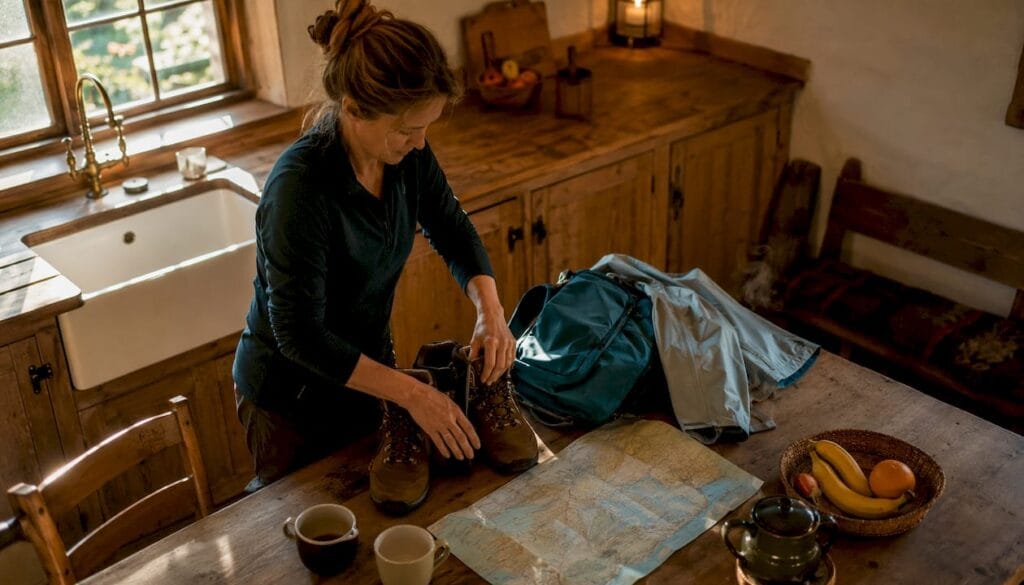
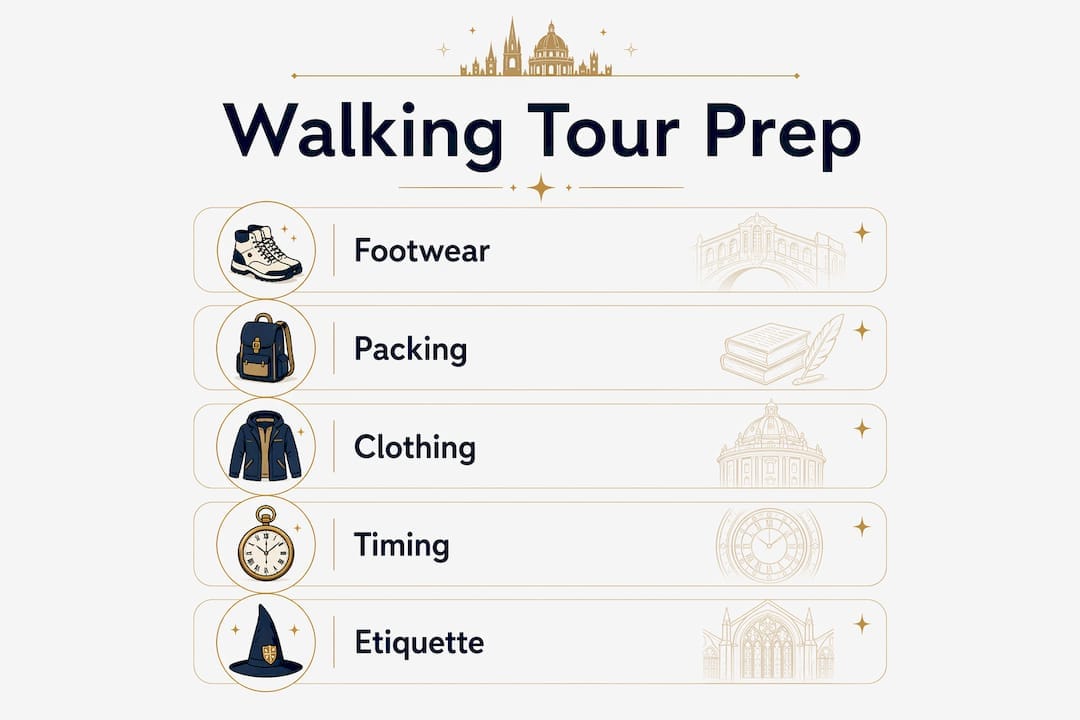
Before you leave your accommodation, run through five things: put on supportive, well-worn footwear; pack a packable waterproof jacket and at least one warm mid-layer; carry a filled water bottle and light snacks; charge your phone fully and have your tickets or booking confirmation ready; and sketch a rough pacing plan that splits the route into 60–90 minute sections rather than one long push. City visitors in London routinely cover 15–20 km on hard pavements and cobblestones in a single day, so each of these five steps carries real weight. Treating the walk as a series of manageable sections rather than one continuous effort is the single habit that separates a great day from a footsore, irritable afternoon.
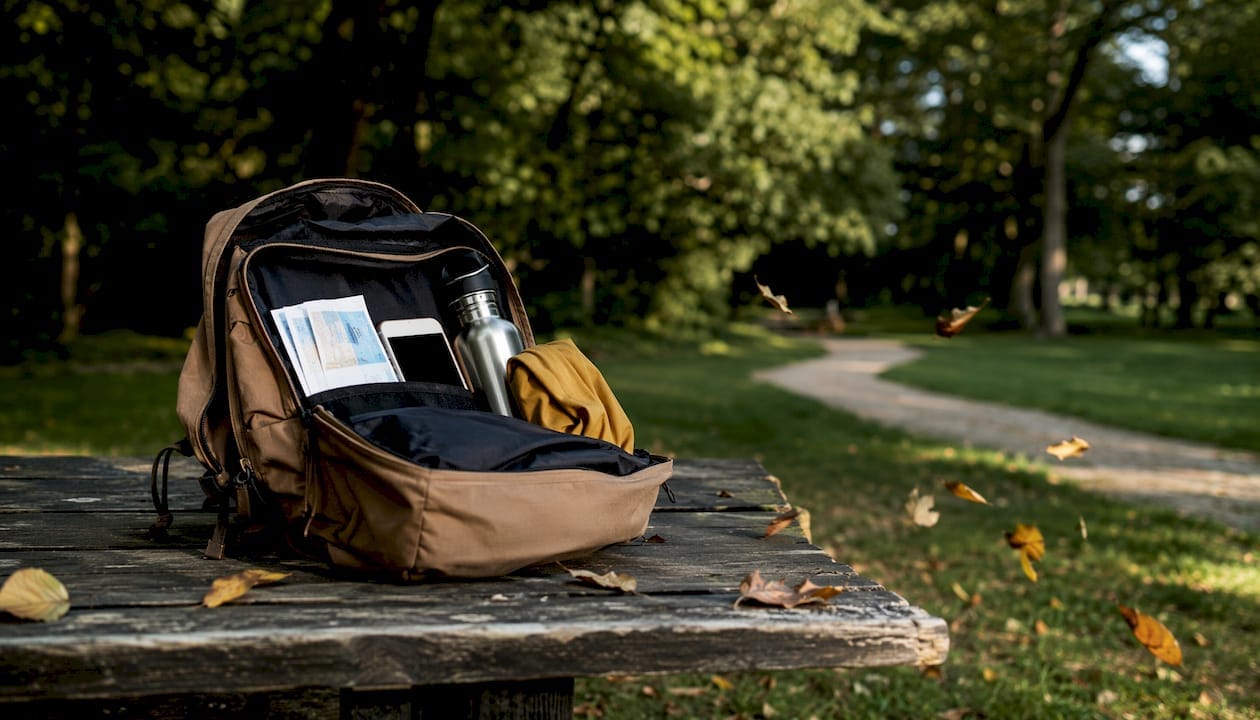
Table of Contents
- What should you pack for a day walking tour?
- What should you wear on a UK walking tour?
- How long do walking tours last, and how should you pace yourself?
- How do you handle bookings, meeting points and transport?
- Health, safety and accessibility on walking tours
- On-the-day tips to get the most from your tour
- Tips for families, photographers and special-interest visitors
- How do you prepare for UK weather and last-minute changes?
- Key takeaways
- What an experienced guide actually notices
- Why book a guided walking tour with Oxfordmagictours?
- Useful sources and further reading
What should you pack for a day walking tour?
A small daypack is all you need, but what goes inside matters. Keep the bag light enough that you forget you’re wearing it.
Essentials to carry:
- Filled water bottle (at least 500 ml; refill at cafés en route)
- Light snacks: cereal bars, nuts, or fruit
- Portable power bank and charging cable
- Phone with tickets or booking reference saved offline
- Compact umbrella or packable waterproof jacket
- Basic first aid: blister plasters, standard plasters, paracetamol
- Sunglasses and a small tube of sun cream
- Offline map or downloaded route (city centres can be patchy for mobile data)
- Small amount of cash for cafés, tips, or entry fees
Organise the bag so your tickets, phone, and water sit at the top or in an outer pocket. Digging through a packed bag at a busy meeting point wastes time and tests patience. Keep valuables close to your body rather than in an outer zip.
Pro Tip: Structure your packing around five categories: travel documents, clothing and footwear, health items, technology, and comfort extras. Ticking off each category takes two minutes and catches the things you’d otherwise forget.
For a more detailed walking tour packing list tailored to city breaks, Oxfordmagictours has a practical gear guide worth bookmarking before you travel.
What should you wear on a UK walking tour?
Comfort beats style every time on a city walking day. Cobbles, uneven kerbs, and sudden rain showers will expose any compromise you made in favour of appearance.
Footwear first. Supportive trainers with cushioned soles work well for most city tours. Waterproof walking shoes are a better choice if rain is forecast or if the route includes older paved areas. Trail boots suit highland or rural walks. Whatever you choose, wear them for a few days before the tour: new shoes on cobblestones is a reliable way to end the afternoon early with blisters.
Layering is the UK standard. A breathable base layer, a fleece or light jumper as a mid-layer, and a packable waterproof shell covers almost every condition from April through October. The waterproof is non-negotiable: it is the highest-priority clothing item for UK travel, more useful than any number of extra fashion options.
- Avoid jeans: they get cold and heavy when wet
- Avoid heels or thin-soled dress shoes on cobbled streets
- Wear wool or synthetic socks rather than cotton (cotton holds moisture)
- Pack a hat and light gloves from September through April
Pro Tip: If you wear glasses, consider switching to contact lenses for a full-day city tour. Glasses can fog and slip when you move between cold outdoor streets and warm interiors, which gets distracting over several hours.
How long do walking tours last, and how should you pace yourself?
Most city walking tours run for 2–3 hours for a half-day format or 4–6 hours for a full-day loop. That sounds manageable until you factor in cobblestones, queues, and the energy drain of constant new information.
The practical fix is to treat the day as a series of chapters rather than one unbroken march. Plan a seated reset every 60–90 minutes: a café stop, a short sit in a park, or a brief museum visit. Sequencing stair-heavy sites early in the day, when energy is highest, and capping interior visits at around 60–90 minutes prevents the kind of fatigue that ruins the second half of the afternoon.
| Tour type | Typical duration | Notes |
|---|---|---|
| Short city highlights | 2 hours | Good for first visits or limited mobility |
| Thematic tour (e.g. Harry Potter, ghost tour) | 90 minutes–2 hours | Focused route, manageable for families |
| Half-day guided walk | 2–3 hours | One or two rest stops built in |
| Full-day loop | 4–6 hours | Plan at least two seated resets |
Pro Tip: Schedule the most physically demanding section of the route for the morning. Energy and concentration both drop after lunch, so save the relaxed wandering and café stops for early afternoon.
How do you handle bookings, meeting points and transport?
Confirm your booking details the evening before: meeting point address, a map pin saved offline, the guide’s contact number, and what to do if you arrive late. Mobile tickets are standard now, but a screenshot saved to your camera roll is a sensible backup.
- Aim to arrive 10–15 minutes before the tour starts
- Check local train or bus times the night before, not on the morning
- If you have luggage, use hotel left-luggage or a station locker rather than carrying a large bag on the tour
- Pre-book any internal museum or attraction tickets to avoid queues mid-route
If the meeting point is a busy landmark, pick a specific, visible feature as your anchor (a particular gate, a statue, a café sign) and exchange phone numbers with anyone in your group. For themed walking tours in Oxford, Oxfordmagictours provides clear meeting point details with each booking confirmation.
Pro Tip: Download an offline map before you leave your accommodation. City centres, particularly in historic areas with narrow streets and thick stone walls, can be unreliable for mobile data.
Health, safety and accessibility on walking tours
Staying safe on a walking tour comes down to a few simple habits: drink water before you feel thirsty, pace yourself to the slowest member of the group, carry any personal medication, and tell someone your plan if you’re walking alone on a longer route. Official National Trails guidance also recommends checking for route closures and not relying solely on internet access when out on longer paths.
For accessibility, check in advance whether the route includes steep streets, cobbled sections, or long periods of standing in historic interiors. Many guides will adjust pacing or suggest alternatives when asked ahead of time. For visitors using a wheelchair or pushchair, contact the tour operator directly before booking.
- Children and older visitors benefit from more frequent seating stops and shorter overall distances
- Know the location of the nearest pharmacy or walk-in centre before you set off
- Signs to stop or shorten the walk: dizziness, severe blisters, or a sudden weather change
When in doubt, turn back or seek shelter. No landmark is worth a medical incident.
On-the-day tips to get the most from your tour
Hydrate before the tour starts, not just during it. A glass of water with breakfast and another before you leave makes a noticeable difference by hour two.
Arrive with your phone on silent, tickets already open on screen, and a bathroom stop completed. These three things take five minutes at the accommodation and save awkward delays at the meeting point. Keep blister plasters accessible rather than buried at the bottom of the bag.
For etiquette, follow the guide’s pace, keep noise low near heritage sites or religious buildings, and hold questions until the guide pauses. Photograph freely, but check for signs in private or sacred spaces. A quick read of a walking tour etiquette guide before the day is worth five minutes of anyone’s time.
Pro Tip: If you miss the meeting point, call the guide immediately rather than waiting. Most guides check their phone at the start and can redirect you quickly if you’re nearby.
Tips for families, photographers and special-interest visitors
Families do best with shorter segments, kid-friendly snacks, and a toilet stop built into the plan before the tour starts. Cobbled lanes and narrow historic streets are often awkward for pushchairs; a carrier or structured backpack carrier tends to work better. For family-friendly outdoor activities beyond the tour itself, there are good options to extend the day.
For photographers, resist the urge to stop at every corner. Pick three or four key spots in advance where you’ll take time for photos, and keep moving between them. Be mindful of other visitors on narrow staircases or at busy viewpoints.
Special-interest visitors (architecture fans, Harry Potter enthusiasts, history buffs) get far more from a themed or private tour than a general city walk. Signal your interests to the guide before the tour starts; a good guide will weave in relevant details. Oxfordmagictours runs dedicated Harry Potter filming location tours in Oxford that cover the university’s most recognisable film sites.
Pro Tip: For groups with small children, agree on a single, unmistakable meeting landmark and swap phone numbers before the tour begins. Busy historic squares can swallow a group quickly.
How do you prepare for UK weather and last-minute changes?
Always expect changeable conditions. The packable waterproof earns its place in the bag on every tour, regardless of the morning forecast. UK weather shifts quickly, and a dry start is no guarantee of a dry afternoon.
- Check the Met Office forecast the evening before and again on the morning
- Save the guide’s contact number and the tour operator’s booking line before you leave
- Download offline maps so a patchy signal doesn’t strand you mid-route
If the weather forces a change, options include shortening the route to an indoor chapter (a museum, a covered market, a café), rescheduling, or switching to a covered walking route. Check the booking terms for the tour’s cancellation or reschedule policy before the day.
Pro Tip: Stow wet items (umbrella, waterproof jacket) in a small plastic bag inside your daypack so they don’t soak your phone, snacks, or spare layers.
Key takeaways
Preparing well for a walking tour means five things done the night before: right shoes worn in, layers packed, water and snacks ready, phone charged with tickets saved, and a pacing plan that breaks the route into sections.
| Point | Details |
|---|---|
| Footwear is the priority | Wear supportive, broken-in shoes; new footwear on cobbles causes blisters fast. |
| Layer for UK variability | A packable waterproof plus a mid-layer covers most conditions from spring through autumn. |
| Break the day into sections | Plan a seated reset every 60–90 minutes to avoid fatigue and enjoy the route fully. |
| Arrive 10–15 minutes early | Confirm the meeting point and guide’s number the evening before to avoid a rushed start. |
| Oxfordmagictours for Oxford | Themed and private tours handle pacing and logistics; check the preparation checklist before booking. |
What an experienced guide actually notices
Most preparation advice focuses on what to pack. The thing that actually shapes the day is how you pace it.
Groups that try to cover everything in one stretch almost always hit a wall around hour three. The ones who build in a proper seated reset, even just fifteen minutes in a café, finish the afternoon in a completely different mood. It’s not about fitness; it’s about managing attention and energy together.
The other thing worth saying: the route matters less than the guide. A mediocre route with a guide who reads the group well will outperform a perfect itinerary delivered at a relentless pace. When you’re choosing a tour, ask whether the guide adjusts for the group or just delivers a script. That question tells you most of what you need to know.
For spotting a comfortable walking route in any town, look for routes that alternate open spaces with covered or shaded stretches. That variety naturally builds in recovery time without it feeling like a forced stop.
Why book a guided walking tour with Oxfordmagictours?
If you’d rather hand the logistics to someone who already knows the route, Oxfordmagictours offers something genuinely different from a standard city walk. The Oxford walking tours combine Oxford University landmarks and Harry Potter filming locations with live magic performed by a professional magician who has appeared before the British Royal Family and A-list celebrities. It’s the only walking tour in Oxford with live entertainment built into the route.
- Themed tours covering Harry Potter filming sites and Oxford University highlights
- Private and group options, including family-friendly formats
- Live magic and illusions woven into the tour, not bolted on at the end
- Clear meeting point details and booking confirmation with every ticket
Check availability and book your tickets directly on the Oxfordmagictours site. Read the accessibility notes on the tour page before booking if mobility or pushchair access is a consideration. Disclosure: this article is published by Oxfordmagictours.
Useful sources and further reading
| Source | Focus | Best used for |
|---|---|---|
| GOV.UK National Trails | Official route planning and safety guidance | Health, safety and longer rural routes |
| HelloRoam UK Packing List | Clothing, layering and packing structure | What to wear and packing checklist |
| Best Things To Do In York | City walking comfort and section-based pacing | Timing, pacing and eyewear advice |
| Orange Donut Tours | Stair-conscious routing and energy management | Sequencing and museum visit caps |
| Supervivo Canterbury guide | Anchor-point routing and free exploration time | On-the-day tips and family planning |
| Oxfordmagictours preparation guide | Oxford-specific preparation and etiquette | Packing checklist and local booking |