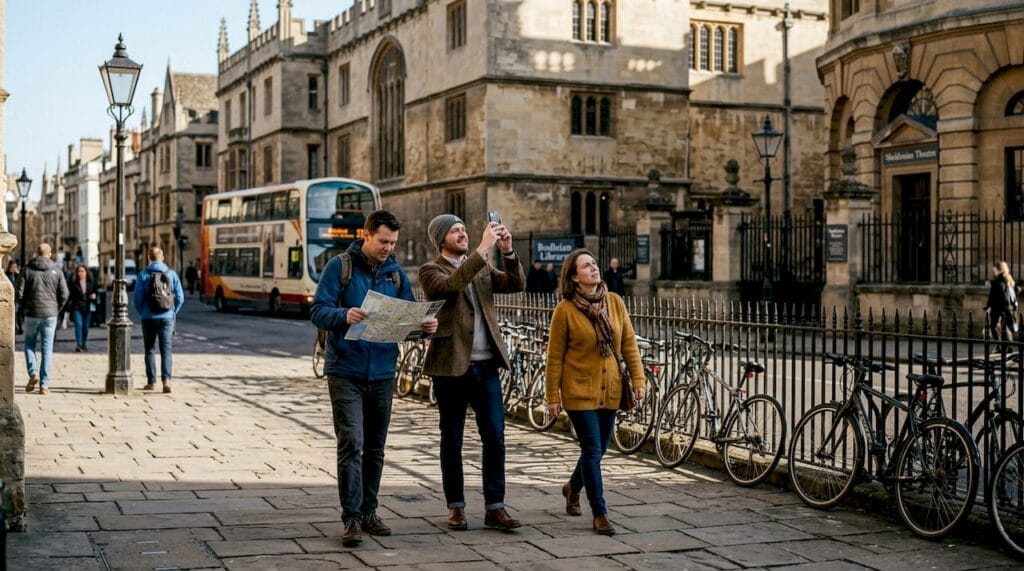
Oxford isn’t just a university town; it’s a living museum where nearly 200 Grade I listed buildings stand alongside cinematic magic from the Harry Potter films. Whether you’re drawn to medieval architecture, academic traditions, or the Great Hall that inspired Hogwarts, Oxford delivers an experience that blends centuries of heritage with modern entertainment. This guide reveals how to navigate the city’s most iconic sites, understand their significance, and choose tours that bring history and film locations to life with expert guides and interactive entertainment.
Table of Contents
- What makes Oxford’s heritage sites unique?
- The must-see Oxford heritage sites explained
- Harry Potter magic: Oxford’s cinematic heritage sites
- Navigating Oxford’s heritage: Practical tips for every traveller
- Experience Oxford’s heritage with a magical walking tour
- Frequently asked questions
Key Takeaways
| Point | Details |
|---|---|
| Oxford’s heritage is diverse | The city offers almost 200 Grade I listed sites, blending history and culture for every visitor. |
| Magical film locations | Oxford’s colleges and libraries feature in Harry Potter and other films, with themed tours adding fun. |
| Tour options suit all | You can explore with standard historical walks, immersive entertainment experiences, or a mix of both. |
| Plan for access and timing | Some sites have limited interior access or different opening hours, so check ahead when organising your visit. |
| Guided tours enhance visits | Expert guides bring Oxford’s stories, secrets, and cinematic magic to life, especially for first-timers. |
What makes Oxford’s heritage sites unique?
Oxford’s heritage extends far beyond typical tourist attractions. Oxford’s University is the oldest in the English-speaking world, boasting 39 unique colleges, each with distinct architectural styles and centuries of stories. The city’s heritage status preserves not just stone and mortar but living traditions that continue to shape academic life today.
What sets Oxford apart is the density and variety of its listed buildings. You’ll find Gothic spires next to Baroque domes, medieval libraries beside neoclassical museums. Each site represents a different era of British history, from the Norman conquest to the Renaissance and beyond.
“Oxford’s heritage sites aren’t museum pieces locked behind glass. They’re active spaces where students study, concerts happen, and traditions from the Middle Ages continue uninterrupted.”
The city merges academic heritage with popular culture seamlessly. Filming locations from Harry Potter sit within working colleges, creating a unique overlap between historical preservation and modern entertainment. Nearby Blenheim Palace adds UNESCO World Heritage status to the region’s credentials, offering visitors a day trip to Winston Churchill’s birthplace and sumptuous Baroque gardens.
Key distinctions include:
- Active academic use of heritage buildings
- Architectural diversity spanning eight centuries
- Integration of film locations within historical sites
- Accessible museums with world-class collections
- Living traditions maintained since medieval times
For visitors seeking identity oxford university represents, these sites provide tangible connections to centuries of scholarship and cultural influence.
The must-see Oxford heritage sites explained
Navigating Oxford’s heritage requires understanding which sites offer interior access and which are best appreciated from outside. There are 67 University-managed listed buildings, including the Bodleian Library and Sheldonian Theatre, each with specific visiting arrangements.
The Bodleian Library dates from the 15th century and remains a working research facility. Tours reveal medieval manuscripts and the stunning Duke Humfrey’s Library, but photography restrictions apply. The Radcliffe Camera, Oxford’s most photographed building, offers exterior viewing only for tourists, though its circular design and golden stone make it worth the visit.
Christ Church stands out for dual significance. It functions as both a college and cathedral, with the Great Hall serving as inspiration for Hogwarts’ dining hall. Access varies by term time, and queues form quickly during peak season. The Sheldonian Theatre, designed by Sir Christopher Wren, hosts concerts and university ceremonies. Visitors can climb to the cupola for panoramic city views.
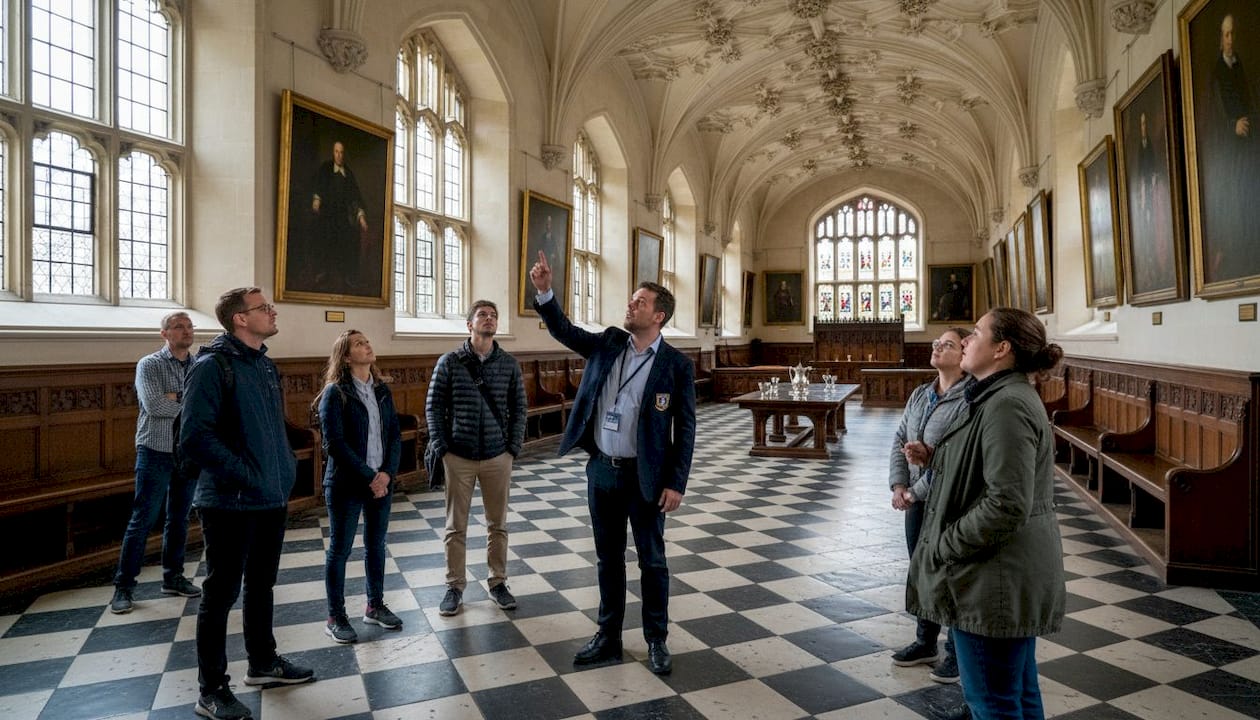
Pro Tip: Book Bodleian Library tours at least two weeks ahead during summer months. Slots fill rapidly, and walk-up availability is rare.
| Site | Era | Key Feature | Access Level |
|---|---|---|---|
| Bodleian Library | 15th century | Duke Humfrey’s Library | Guided tours only |
| Radcliffe Camera | 1749 | Circular reading room | Exterior viewing |
| Christ Church | 1546 | Great Hall, cathedral | Ticketed entry |
| Sheldonian Theatre | 1669 | Wren architecture | Tours and events |
| Ashmolean Museum | 1683 | World’s first university museum | Free entry |
The Ashmolean Museum holds the distinction of being the world’s first university museum, with collections spanning ancient Egypt to contemporary art. Entry is free, making it ideal for budget-conscious travellers. Oxford Castle offers a millennium of history, from Norman fortress to Victorian prison, with guided tours descending into the original crypt.
Blenheim Palace is a UNESCO World Heritage site nearby, approximately 8 miles from the city centre. The palace combines Baroque architecture with landscaped gardens designed by Capability Brown. Churchill’s birthplace attracts history enthusiasts, whilst the grounds appeal to families seeking outdoor space.
Statistic spotlight: Oxford maintains 199 Grade I listed buildings, the highest concentration of protected heritage sites in any UK city outside London.

For comprehensive exploration, consider an oxford historic sites tour that covers multiple locations with expert commentary. Those wanting deeper college access should explore oxford’s colleges through specialised programmes that reveal hidden quadrangles and chapels.
Not all sites permit full interior access. Some colleges close during exam periods, and certain libraries restrict entry to university members. Checking top things to do in Oxford before your visit helps avoid disappointment.
Harry Potter magic: Oxford’s cinematic heritage sites
Oxford’s connection to Harry Potter transforms heritage viewing into interactive entertainment. Christ Church, New College, Bodleian Library, and the Divinity School all appear in the films, creating a trail that fans can follow through the city.
The Divinity School’s vaulted ceiling served as Hogwarts’ infirmary in multiple films. Its intricate stonework and medieval atmosphere make it instantly recognisable to fans. New College’s cloisters appeared as Hogwarts corridors, whilst the college’s ancient tree featured in Goblet of Fire scenes.
Oxford heritage tours receive high ratings (4.6+) from Harry Potter fans, with quizzes and alumni guides enhancing the experience. These tours differ from standard heritage walks by incorporating film trivia, behind-the-scenes stories, and interactive elements that engage younger visitors.
Pro Tip: Tours with live entertainment, including magic performances, create memorable experiences that blend Oxford’s academic heritage with theatrical flair. Look for guides who’ve performed for notable audiences, as their presentation skills elevate the storytelling.
“The best Harry Potter tours don’t just point at filming locations. They explain how Oxford’s real history inspired J.K. Rowling’s magical world, creating connections between medieval traditions and modern fantasy.”
Key filming locations to prioritise:
- Christ Church Great Hall (Hogwarts dining hall inspiration)
- Bodleian Library Divinity School (Hogwarts infirmary)
- New College cloisters (Hogwarts corridors)
- Duke Humfrey’s Library (Hogwarts library)
- New College courtyard (Goblet of Fire scenes)
Edge cases exist. The Radcliffe Camera interior remains closed to tourists despite its prominence in promotional materials. Some colleges restrict access during term time, particularly around exams in May and June. Booking themed tours in advance guarantees access to available sites and secures spots with highly rated guides.
For comprehensive coverage of Harry Potter landmarks Oxford offers, specialised tours provide context that self-guided visits miss. Understanding how to enjoy Harry Potter locations requires knowing which sites permit photography, where queues form, and when colleges open to visitors.
The appeal of Oxford Harry Potter locations extends beyond film fans. Architecture enthusiasts appreciate the Gothic and medieval designs that made these sites suitable for Hogwarts scenes. Families find the interactive elements engaging for children who might otherwise struggle with traditional heritage tours.
Reasons to visit Oxford filming locations include the combination of authentic history with cinematic nostalgia. Unlike studio sets, these locations function as real academic spaces, adding depth to the Harry Potter experience.
Navigating Oxford’s heritage: Practical tips for every traveller
Successful heritage visits require planning around access restrictions and peak times. Oxford colleges have varying opening hours and fees for visitors, with some closing entirely during exam periods or private events.
Structure your visit by grouping sites geographically. The city centre clusters the Bodleian, Radcliffe Camera, and Sheldonian Theatre within a five-minute walk. Christ Church sits slightly south, whilst the Ashmolean Museum occupies the northern edge of the historic core.
| Consideration | Recommendation | Reason |
|---|---|---|
| Best visiting time | Weekday mornings, 9-11am | Fewer crowds, better light for photos |
| Tour booking | 2-3 weeks advance | Popular slots fill quickly |
| College access | Check term dates | Many close during exams |
| Budget planning | £15-25 per major site | Combine with free museums |
Inside versus outside access makes a significant difference. The Bodleian Library requires paid tours for interior viewing, whilst the Radcliffe Camera offers only exterior appreciation. Christ Church charges admission but provides access to the Great Hall, cathedral, and grounds. Understanding these distinctions prevents disappointment.
Themed tours versus standard heritage walks serve different purposes. Standard tours cover architectural history and academic traditions comprehensively. Themed tours, particularly Harry Potter-focused options, incorporate entertainment, quizzes, and interactive elements that engage families and film fans more effectively.
Pro Tip: Book morning tours during summer months. Afternoon heat makes walking less comfortable, and popular sites become crowded after 1pm. Early starts also provide better photography light for Oxford’s golden stone buildings.
Peak times to avoid:
- Weekends in July and August (highest tourist volume)
- University open days (typically March and September)
- Exam periods in May and June (restricted college access)
- Major events like May Morning (1st May, extremely crowded)
University term impacts vary by college. Some welcome visitors year-round, whilst others close entirely during teaching periods. Checking college opening times before travelling prevents wasted journeys.
Ticket purchasing options include online booking, which guarantees entry and often provides modest discounts, versus on-site purchases, which risk sold-out slots during peak season. Major sites like Christ Church and the Bodleian accept both, but advance booking is strongly recommended.
Accessibility considerations matter for visitors with mobility challenges. Many heritage buildings predate accessibility regulations, featuring narrow staircases and uneven floors. The Ashmolean Museum and newer facilities provide full accessibility, whilst medieval sites like college chapels may present challenges.
For families, combining heritage sites with interactive experiences maintains children’s engagement. A walking tour guide approach that includes storytelling and entertainment works better than static museum visits for younger travellers. Options for family fun in Oxford extend beyond traditional heritage viewing to include interactive tours and outdoor spaces.
Experience Oxford’s heritage with a magical walking tour
You’ve discovered Oxford’s heritage sites, understood their significance, and learned practical visiting strategies. The next step is experiencing these locations with expert guides who bring history and cinema to life through storytelling and entertainment.
Walking tours tailored for Harry Potter fans and history enthusiasts provide context that self-guided visits cannot match. Professional guides reveal hidden details, share behind-the-scenes film stories, and explain how Oxford’s traditions influenced magical world-building. Tours that incorporate live magic performances add theatrical flair, creating memorable experiences that blend education with entertainment.
The only Oxford walking tour featuring a magician who has performed for the British Royal family and A-list celebrities offers a unique perspective on the city’s heritage. This combination of historical expertise and professional entertainment transforms standard sightseeing into an immersive experience.
Whether you want to enjoy Harry Potter locations with interactive quizzes, visit Oxford filming locations with expert commentary, or explore the city’s academic heritage through Oxford city walking tours, specialised tours deliver value that independent exploration misses.
Frequently asked questions
Which Oxford heritage sites are free to visit?
Many museums like the Ashmolean and the Pitt Rivers offer free entry, but major colleges and Christ Church usually charge between £5 and £15 per person.
Can I enter the Radcliffe Camera as a tourist?
No, Radcliffe Camera is restricted to university members, though exterior tours and photography remain popular with visitors.
How do Harry Potter-themed tours differ from standard tours?
Themed tours feature film locations, quizzes, and interactive entertainment, whilst standard tours focus primarily on architectural history and academic traditions.
When is the best time to visit Oxford’s heritage sites?
Weekdays outside university term time offer quieter visits, as some colleges close to visitors during teaching periods and exams.
Are Oxford’s heritage sites accessible for families and children?
Yes, museums and castles cater to children, and many tours are family-friendly with entertainment options suitable for younger visitors.