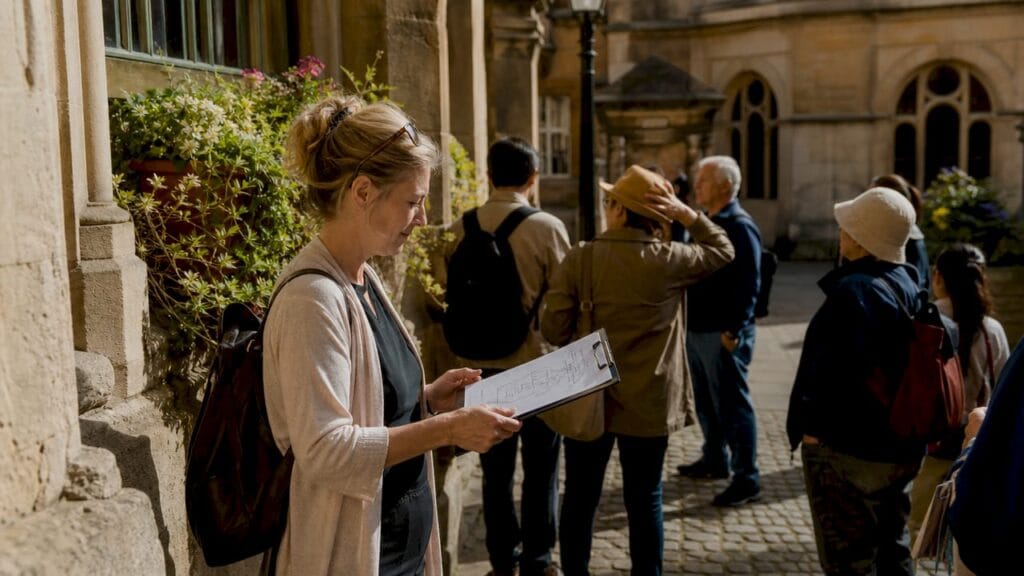
TL;DR:
- Organizing group walking tours requires legal compliance, route planning, and guest experience strategies. Proper business registration, insurance, and data documentation lay the foundation before selling tickets. Effective recce walks, safety measures, and guest engagement techniques ensure memorable and safe tours.
A well-organised group walking tour is defined by three pillars: legal compliance, operational safety, and guest engagement. Tour operators who master all three consistently deliver experiences that guests remember and recommend. Knowing how to organise group walking tours means far more than plotting a route on a map. It requires business registration, risk assessment, insurance, and a clear plan for keeping groups safe and entertained. This guide gives you the frameworks, checklists, and strategies used by professional operators to run group city walks that meet UK industry standards and exceed guest expectations.
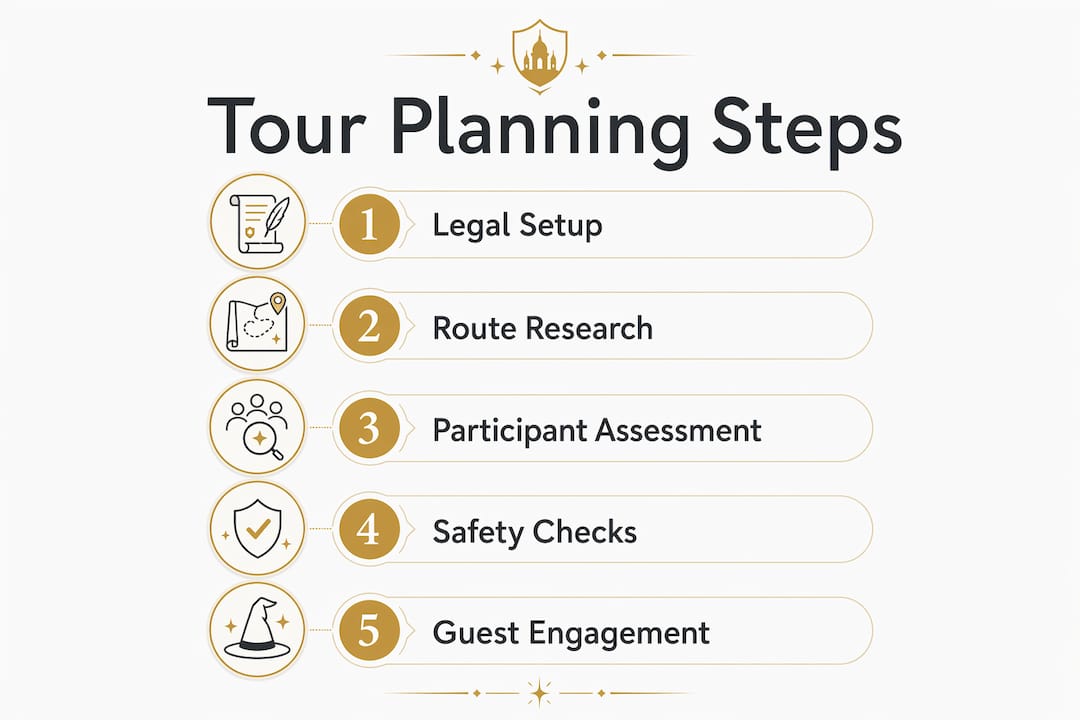
What are the essential legal and business prerequisites for organising group walking tours?
The legal groundwork comes before you sell a single ticket. Many operators mistakenly identify as tour guides rather than tour operators, which causes them to overlook strict consumer protection and insolvency obligations. That distinction matters enormously when a guest dispute or cancellation arises.
Business structure and registration
Registering as a sole trader costs nothing, while forming a limited company costs £12. The limited company route offers personal liability protection, which most operators running paying groups should consider seriously. VAT registration becomes mandatory once your taxable turnover exceeds £90,000 in a rolling 12-month period.
Insurance requirements
Public liability insurance for small tour operations ranges from approximately £8.57 per month to £300 annually. That figure varies based on group size, terrain type, and whether you include activities beyond walking. Tour operator liability insurance must separately address negligence-based risks and contractual exposures. Conflating the two leaves gaps that insurers will not cover.
Data protection and terms and conditions
UK GDPR requires operators to document a lawful basis for processing every piece of personal data they collect. For bookings, that basis is typically “contract performance.” You must record this formally, not just assume it. The UK Package Travel Regulations also require bespoke terms and conditions and insolvency protection. If your tours include flights, ATOL licensing applies.
Key legal prerequisites at a glance:
- Register your business structure before taking bookings
- Obtain public liability insurance sized to your group capacity
- Document your UK GDPR lawful basis for data processing
- Draft bespoke terms and conditions covering cancellations, refunds, and liability
- Check whether Package Travel Regulations apply to your product
Pro Tip: Have a solicitor review your terms and conditions before your first tour. Generic templates downloaded online rarely address the specific liability split between operator and guest that UK courts expect.
How do you plan and prepare a walking tour itinerary?
Route planning is the operational core of any group walking tour. A well-prepared itinerary balances safety, pacing, and storytelling so that guests stay engaged without becoming fatigued or lost.
Conducting a recce walk
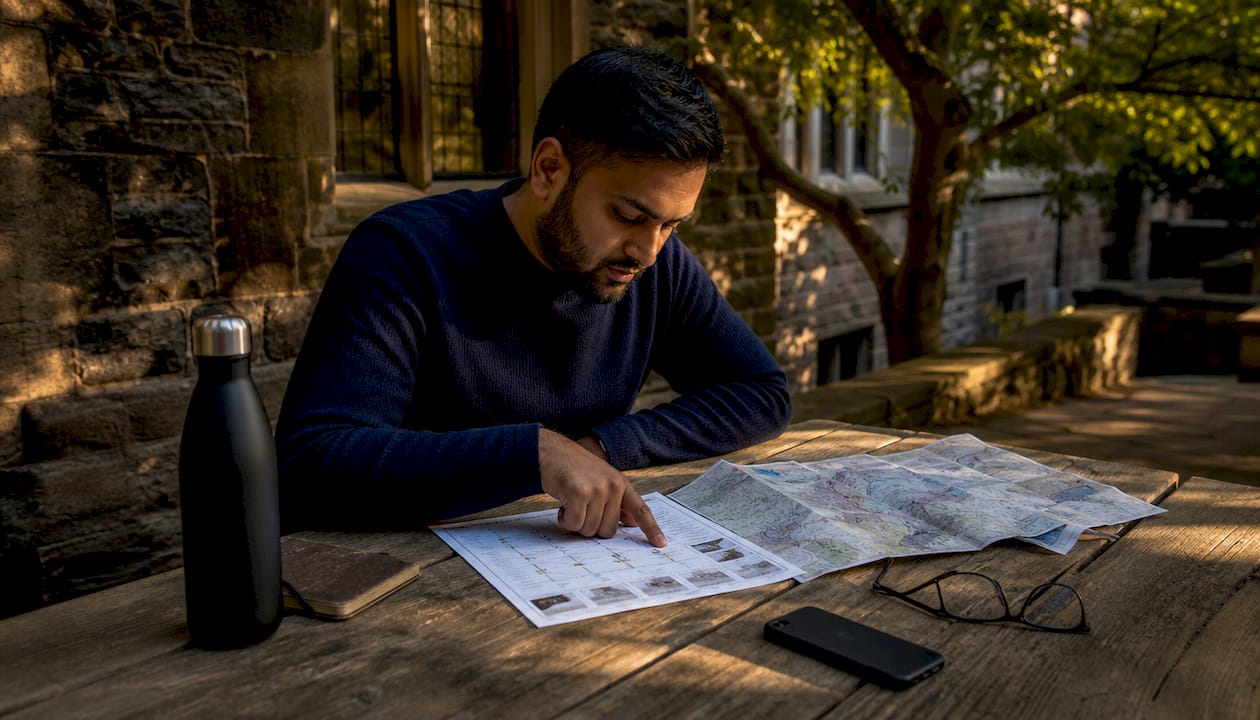
A professional recce walk is non-negotiable. Recce walks reveal exact timing, access constraints, road crossing hazards, and the precise locations where a lost-person protocol must be pre-agreed. Walk the route at the same time of day your tour will run. Conditions change significantly between morning and afternoon, particularly in city centres where foot traffic and road activity shift.
Assessing participant ability and accessibility
Assess participant fitness and accessibility needs before finalising your route. Collect this information at the booking stage using a short health and ability questionnaire. A route that suits a corporate team-building group may be entirely wrong for a mixed-age family group. Build at least one accessible alternative into your planning.
Risk assessments and safety briefings
Formal risk assessments must address participant abilities, terrain, weather conditions, and emergency procedures. Update them after every recce and after any incident on tour. Deliver a clear safety briefing at the start of each tour. Cover the lost-person procedure, emergency contact details, and any specific hazards on that day’s route.
A practical pre-tour checklist:
- Complete and sign off the risk assessment for the specific date and conditions
- Confirm designated front guide and rear guide roles before departure
- Brief all guides on the lost-person protocol and rally point
- Check weather forecasts and prepare contingency messaging for guests
- Carry a first aid kit, charged mobile phone, and emergency contact list
- Confirm group size against your insurance policy limits
| Planning stage | Key action | Outcome |
|---|---|---|
| Route design | Conduct recce walk at tour time | Accurate timing and hazard identification |
| Participant screening | Collect ability and accessibility data | Route matched to group needs |
| Risk assessment | Document and update after each recce | Legal compliance and guest safety |
| Guide briefing | Assign front and rear guide roles | Group cohesion and safety coverage |
| Equipment check | First aid kit, comms, weather gear | Operational readiness |
Pro Tip: Always walk your route the day before a new tour launches, not just during initial planning. Road works, temporary closures, and event crowds can appear overnight and invalidate your original risk assessment.
What strategies enhance guest experience during group walking tours?
Guest experience is where good logistics become memorable tours. The best operators treat the walk itself as a performance, not just a transfer between points of interest. Oxfordmagictours exemplifies this approach by combining expert storytelling techniques with live entertainment from a magician who has performed for the British Royal Family and A-list celebrities. That level of engagement sets a high benchmark for what group walking tours can deliver.
Using technology and micro-content
Modern operators use micro-content such as short audio clips sent before the tour to set guest expectations and build anticipation. Pre-trip digital briefings reduce the number of logistical questions on the day, freeing guides to focus on storytelling. During rest stops, ticketed micro-events, such as a short performance or a tasting, add revenue without complicating the route.
Managing group size and guide roles
Group size directly affects both safety and experience quality. Smaller groups of 10–15 guests allow guides to maintain personal contact with every participant. Larger groups require at least two guides: one at the front setting pace and one at the rear preventing stragglers. Clear role definition before departure prevents confusion mid-tour.
Practical strategies for better guest experience:
- Send a pre-tour digital briefing covering meeting point, what to wear, and what to expect
- Use audio guides or wireless tour guide systems for groups larger than 15
- Plan rest stops at locations with visual interest, seating, or a short activity
- Assign a dedicated guest liaison for corporate or private group bookings
- Collect mobile contact details for all guests to send real-time updates on the day
Booking management and operational workflow
A reliable booking management system reduces double-bookings, automates confirmation emails, and stores guest data in a UK GDPR-compliant format. Operators running private group tours benefit most from systems that allow custom itinerary notes attached to each booking. Standardise your pre-tour communication workflow so every guest receives the same quality of preparation regardless of which guide runs the tour.
How do you troubleshoot common challenges in group walking tours?
Even well-planned tours encounter problems. The operators who build strong reputations are those who handle disruption calmly and learn from every incident.
Reducing no-shows and cancellations
No-shows cost operators revenue and disrupt group dynamics. A clear cancellation policy in your terms and conditions is the first line of defence. Require non-refundable deposits at the booking stage to filter out uncommitted guests. Send a reminder message 48 hours before the tour with the meeting point confirmed. That single step reduces no-shows significantly.
Adapting to weather and terrain disruptions
British weather demands a contingency plan for every tour. Identify covered rest stops and sheltered waypoints during your recce walk. Prepare a shortened route that cuts 20–30 minutes from the full itinerary without losing the key highlights. Communicate changes to guests proactively rather than reactively. Guests accept weather disruptions far more readily when they receive clear, early communication.
Handling guest behaviour and expectations
“The most common source of guest complaints is not the route or the content. It is a mismatch between what guests expected and what they experienced. Set expectations precisely in your pre-tour communications and most complaints disappear before the tour begins.”
Address difficult behaviour calmly and privately where possible. Brief your guides on de-escalation techniques before they lead their first tour. A guest who feels heard rarely escalates a complaint further.
Collecting and using guest feedback
Collect feedback within 24 hours of the tour while the experience is fresh. Use a short, structured form with no more than five questions. Analyse responses monthly and identify patterns rather than reacting to individual comments. Adjust your itinerary, briefings, or guide training based on what the data consistently shows. Operators who treat feedback as a design tool improve faster than those who treat it as a report card.
Key takeaways
Organising group walking tours successfully requires legal compliance, thorough route preparation, and deliberate guest experience design working together from the outset.
| Point | Details |
|---|---|
| Legal setup comes first | Register your business, obtain public liability insurance, and draft bespoke terms and conditions before selling tickets. |
| Recce walks are non-negotiable | Walk every route at tour time to identify hazards, confirm timing, and establish lost-person protocols. |
| Risk assessments must be live documents | Update formal risk assessments after every recce and after any on-tour incident. |
| Guest experience needs deliberate design | Use pre-trip micro-content, clear guide roles, and planned rest stops to keep groups engaged throughout. |
| Feedback drives improvement | Collect structured guest feedback within 24 hours and analyse patterns monthly to refine your tours. |
What I have learned from years of leading group walking tours
The single biggest mistake I see new operators make is treating compliance as a box-ticking exercise rather than a foundation. When you genuinely understand why UK GDPR requires a documented lawful basis, or why your terms and conditions must specifically address cancellation liability, you stop resenting the paperwork and start using it as a competitive advantage. Guests trust operators who communicate clearly about what happens when things go wrong.
The second lesson is that preparation time is never wasted. I have walked routes dozens of times before leading a paying group, and I still find something new on each recce. A road closure, a new construction site, a café that has shut down. The route you planned six months ago is rarely the route you should run today.
The third lesson is the hardest to teach: authentic storytelling cannot be scripted into existence. It comes from genuine knowledge of and enthusiasm for your subject. At Oxfordmagictours, the walking tour preparation process includes deep research into every location on the route, not just the headline facts. Guests feel the difference between a guide who knows a place and one who has memorised a script. Invest in that knowledge and your guest satisfaction scores will reflect it.
— Shane
Walking tours in Oxford: see expert group planning in action
Oxfordmagictours runs group walking tours of Oxford that bring together everything covered in this guide: thorough route preparation, clear safety protocols, and genuinely memorable guest experiences. As the only walking tour in Oxford to feature live entertainment from a professional magician who has performed for the British Royal Family and A-list celebrities, Oxfordmagictours sets a standard for what group tours can achieve. Whether you are a tour operator looking for inspiration or a group organiser seeking a ready-made experience, the Oxford city walks programme offers a practical example of expert group tour design at its best.
FAQ
What insurance does a UK walking tour operator need?
Public liability insurance is the minimum requirement, with costs ranging from approximately £8.57 per month to £300 annually for small operations. Tour operator liability insurance should be added separately to cover contractual and negligence-based exposures.
How do I comply with UK GDPR as a tour operator?
Document a lawful basis for every category of personal data you collect. For booking data, the lawful basis is typically “contract performance.” Store records securely and include a data processing statement in your terms and conditions.
What is the ideal group size for a walking tour?
Groups of 10–15 guests allow a single guide to maintain personal contact with every participant. Larger groups require a designated front guide and rear guide to maintain safety and cohesion throughout the tour.
How often should I update my walking tour risk assessment?
Update your risk assessment after every recce walk and after any incident on tour. Seasonal changes, local events, and construction work can all introduce new hazards that your original assessment did not capture.
How do I reduce no-shows on group walking tours?
Require a non-refundable deposit at the booking stage and send a reminder message 48 hours before the tour confirming the meeting point. A clear cancellation policy in your terms and conditions filters out uncommitted bookings before they become no-shows.