TL;DR:
- A historic tour is a guided walk through significant sites where a knowledgeable guide interprets historical and cultural stories. It offers an immersive experience by physically placing visitors in the actual environment of past events, creating a meaningful connection beyond viewing artifacts or monuments. The success of a tour depends on expert storytelling, engagement, and understanding the site’s heritage, making it more than just sightseeing.
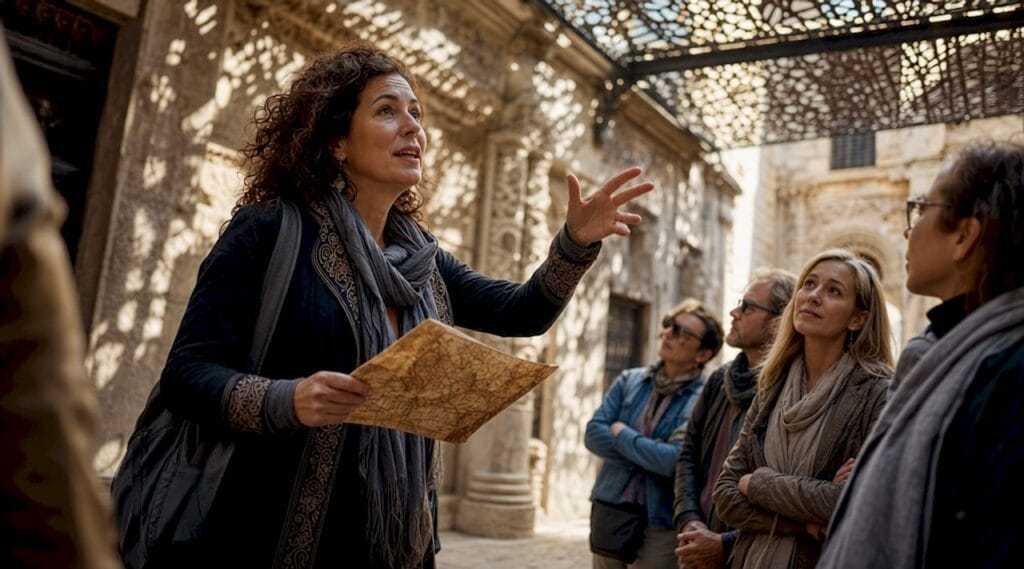
A historic tour is a guided visit to significant historical or cultural sites, where a knowledgeable guide interprets the meaning, stories, and significance of each location rather than simply pointing out what exists. Unlike a self-guided stroll or a standard sightseeing bus, a historic tour places storytelling at its centre. The guide transforms streets, buildings, and monuments into living chapters of the past. For travellers wondering what distinguishes a historical sightseeing tour from other travel experiences, the answer lies in that interpretive layer. You are not just looking at history. You are being led through it.
What is a historic tour and how does it work?
A historic tour is defined by two elements working together: physical movement through historically significant spaces, and expert interpretation that gives those spaces meaning. The guide does not recite a list of dates. Instead, they construct a narrative that connects the present landscape to past events, helping visitors understand how a place became what it is today.
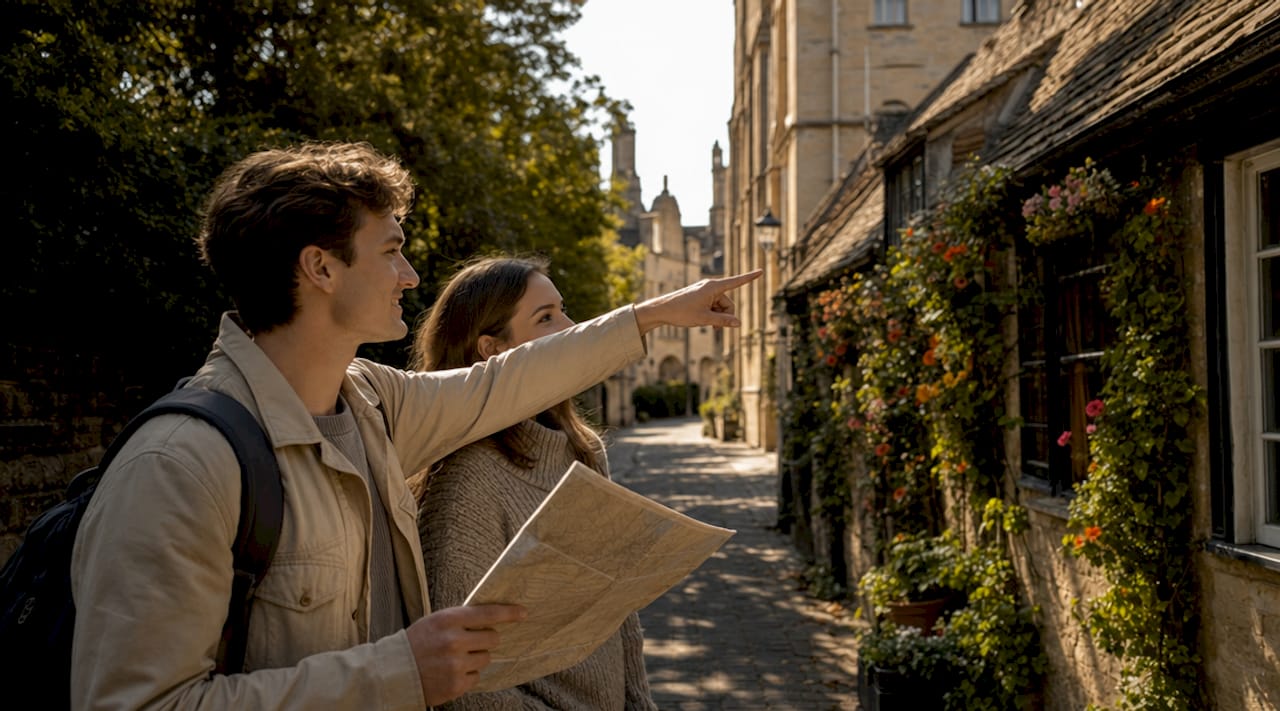
Historic tours unfold in real time and space, which is what separates them from watching a documentary or reading a guidebook. You stand where events actually happened. That physical presence creates a form of engagement that no screen can replicate. When a guide points to a doorway and explains who passed through it three centuries ago, the story lands differently than it would on a page.
The guide’s role goes beyond navigation. A professional tourist guide is a qualified person who interprets the cultural and natural heritage of an area, blending physical pathfinding with intellectual insight. This dual role is what makes the experience worth paying for. A good guide notices what you would walk past, asks questions that prompt reflection, and adjusts the story to the group in front of them.
Historic tours also function as a form of public history. Successful historic walking tours democratise history by moving storytelling outside institutions and into everyday public spaces. Oxford’s medieval streets, Rome’s ancient forums, and Philadelphia’s colonial quarter all become open-air classrooms when the right guide is present.
Pro Tip: Ask your guide to interpret the significance of what you are seeing, not just describe it. The most memorable moments on any historic tour come from understanding why something matters, not just what it is.
How do historic tours differ from other types of tours?
Historic tours occupy a specific space in the broader travel market, and understanding that space helps you choose the right experience. The clearest way to see the difference is through direct comparison.
Cultural heritage sites typically include monuments, groups of buildings, and archaeological sites. A historic tour is built around these places. A culinary tour, by contrast, uses food as its lens. A recreational tour prioritises leisure and scenery. Neither is wrong, but neither delivers the depth of historical context that a heritage-focused tour provides.
Museum tours share some DNA with historic tours, but the experience differs in a fundamental way. Museum exhibits are static and indoors. A historic tour places you in the actual environment where history occurred. The street is the exhibit. The building façade is the artefact. That outdoor, place-based quality is irreplaceable.
Here is how the main tour types compare:
| Tour type | Primary focus | Setting | Guide’s role |
|---|---|---|---|
| Historic tour | Heritage interpretation and storytelling | Outdoor sites, streets, monuments | Narrator and cultural interpreter |
| Museum tour | Curated exhibits and collections | Indoor galleries | Facilitator and explainer |
| Culinary tour | Food culture and local cuisine | Restaurants, markets, food stalls | Host and food expert |
| Recreational tour | Scenery, leisure, and relaxation | Parks, coastlines, countryside | Logistics coordinator |
| Themed tour | Specific subject (e.g. film, ghost stories) | Varies | Subject specialist |
The key distinctions for historic tours specifically:
- The guide interprets meaning and significance, not just facts and figures
- Stops are chosen for their heritage value, not their visual appeal alone
- The tour itinerary is organised as a narrative connecting present landscapes to past events
- Visitors are encouraged to ask questions and engage with the interpretation
- The experience is educational as well as enjoyable
Understanding what makes themed tours different also helps clarify the historic tour’s identity. A themed tour might use history as a backdrop, but a historic tour makes history the entire point.
What to expect on a historic tour
Most historic tours follow a structured itinerary with multiple stops, each chosen for its historical significance. A typical guided tour covers landmarks with guide commentary at each stop, building a cumulative picture of a place’s past. The stops are not random. They are selected to support the tour’s central narrative, whether that is the story of a city’s founding, its architectural evolution, or the lives of the people who shaped it.
Here is what a typical historic walking tour looks like from start to finish:
- Meeting point and introduction. The guide introduces themselves, outlines the route, and sets the historical context for what you are about to see.
- First stop. Usually a landmark that anchors the tour’s main theme, with the guide explaining its origins and significance.
- Connecting narrative. As the group walks between stops, the guide fills in background, answers questions, and points out details most visitors would miss.
- Mid-tour engagement. Many guides pause for questions, share anecdotes, or invite visitors to observe specific architectural or environmental details.
- Final stop and summary. The tour concludes at a location that ties the narrative together, often with recommendations for further exploration.
Group sizes vary considerably. Small-group walking tours of eight to fifteen people allow for genuine conversation with the guide. Larger tours of thirty or more people prioritise coverage over interaction. If you want depth, a smaller group is worth seeking out.
Tour length typically runs between ninety minutes and three hours for a standard walking tour. Multi-day historic tours exist for travellers who want to cover a region rather than a single city. Physical activity is moderate on most walking tours, covering two to four kilometres at a relaxed pace. Comfortable footwear is genuinely worth wearing.
What are the benefits of historic tours for travellers?
The benefits of historic tours extend well beyond learning a few new facts. The experience changes how you relate to a place, and that shift tends to stay with you long after the tour ends.
Historic tours build a layered, place-based narrative that encourages curiosity, empathy, and reflection. Learning history in context, standing where it happened, produces a different kind of understanding than reading about it later. You remember the story because you were physically present in the story’s setting.
Expert guides offer insights that no guidebook or audio app can match. They know which details are contested, which stories are overlooked, and which corners of a city hold the most surprising histories. Historical tours were the fastest-growing form of online-booked tourism experience in 2018, surpassing museum passes and culinary tours. That growth reflects what travellers are telling us with their bookings: they want more than scenery.
The social dimension matters too. A shared group experience creates a particular kind of engagement. Hearing another visitor’s reaction to a story, or watching a guide answer an unexpected question, adds texture to the experience that solo exploration cannot provide.
Historic tours also support the places they visit. Guides who are local historians or heritage specialists contribute to the preservation of oral history and community knowledge. Booking a reputable tour puts money into the hands of people who genuinely care about the places they interpret.
- You gain historical context that transforms how you see a destination
- Expert interpretation reveals stories invisible to the casual visitor
- The group format encourages questions and shared discovery
- Tours support local heritage knowledge and conservation efforts
- The experience is more memorable than self-guided sightseeing
Pro Tip: Read a short overview of a city’s history before your tour. You do not need to be an expert. Even a basic familiarity with key periods means the guide’s stories will connect to something you already know, making the experience significantly richer.
Key takeaways
A historic tour delivers its greatest value through expert interpretation of place, not through the number of sites visited.
| Point | Details |
|---|---|
| Definition of a historic tour | A guided visit to heritage sites where a qualified guide interprets historical and cultural significance. |
| What sets it apart | Unlike museum or culinary tours, historic tours place visitors in the actual environment where history occurred. |
| What to expect | Multiple stops, a structured narrative, small-group interaction, and a walking pace covering two to four kilometres. |
| Core benefits | Contextual learning, emotional connection, expert insight, and support for local heritage communities. |
| How to get more from it | Engage with the guide, ask for interpretation not just description, and arrive with basic background knowledge. |
Why historic tours are worth choosing, from someone who has seen both sides
I have been part of Oxford’s historic tour world long enough to know the difference between a tour that informs and one that genuinely moves people. The distinction is almost never about the quality of the history. It is about how the guide handles the space between facts.
Most visitors arrive expecting a sequence of dates and names. What they leave with, on the best tours, is a feeling. The feeling that a place has weight. That the stones underfoot have absorbed something real. That understanding is not something you can manufacture with a script. It comes from a guide who treats the landscape as evidence, as history written in the built environment rather than in books.
What I find genuinely underrated is the value of a guide who is willing to say “we do not know for certain” or “historians disagree about this.” That honesty builds trust. It signals that you are getting interpretation, not performance. The tours I have seen receive the strongest reactions are the ones where the guide admits complexity rather than smoothing it over.
The other thing worth saying plainly: a historic tour is only as good as the guide’s relationship with the place. Local knowledge, genuine enthusiasm, and the ability to read a group in real time are not skills that come from a textbook. They come from years of standing in the same streets and watching what makes people stop, look up, and ask questions they did not know they had.
— Shane
Experience Oxford’s history with Oxfordmagictours
Oxford is one of Britain’s most historically layered cities, and the best way to understand it is on foot with someone who knows its stories. Oxfordmagictours offers guided walking tours through Oxford University’s ancient colleges and the Harry Potter filming locations that have made the city famous worldwide. What makes Oxfordmagictours genuinely different is the live entertainment woven into every tour: a professional magician who has performed for the British Royal Family and A-list celebrities brings the history to life in a way no standard tour can match. If you want to see Oxford’s historic streets through the eyes of an expert storyteller and entertainer, this is where to start.
FAQ
What is the difference between a historic tour and a sightseeing tour?
A historic tour focuses on guided interpretation of heritage sites, with a qualified guide explaining the cultural and historical significance of each location. A standard sightseeing tour typically covers more ground with less depth, prioritising visual access over storytelling.
How long does a typical historic walking tour last?
Most historic walking tours run between ninety minutes and three hours, covering two to four kilometres at a relaxed pace with multiple stops for interpretation and questions.
Do I need prior knowledge to enjoy a historic tour?
No prior knowledge is required. Historic tours are designed to be accessible to all visitors, and a good guide will provide all the context you need. Reading a brief overview of the destination beforehand will enrich the experience, but it is not a requirement.
What should I look for in historic tour reviews?
Look for mentions of the guide’s storytelling ability, their willingness to answer questions, and whether the tour felt like a connected narrative rather than a list of stops. Reviews that mention specific stories or moments are a reliable sign of a high-quality experience.
Are historic tours suitable for families with children?
Many historic tours are well-suited to families, particularly those with smaller group sizes and guides who adapt their storytelling to mixed audiences. Tours that incorporate interactive elements or live entertainment tend to hold children’s attention most effectively.