TL;DR:
- Hiring professional guides transforms travel by providing expert knowledge, logistical help, and cultural insights that enhance the experience. They save time, reduce stress, and help travelers avoid costly mistakes through personalized service and local connections. Trustworthy guides are found via recommendations from qualified sources and should hold verified credentials, specialist knowledge, and offer pre-trip communication to tailor the experience.
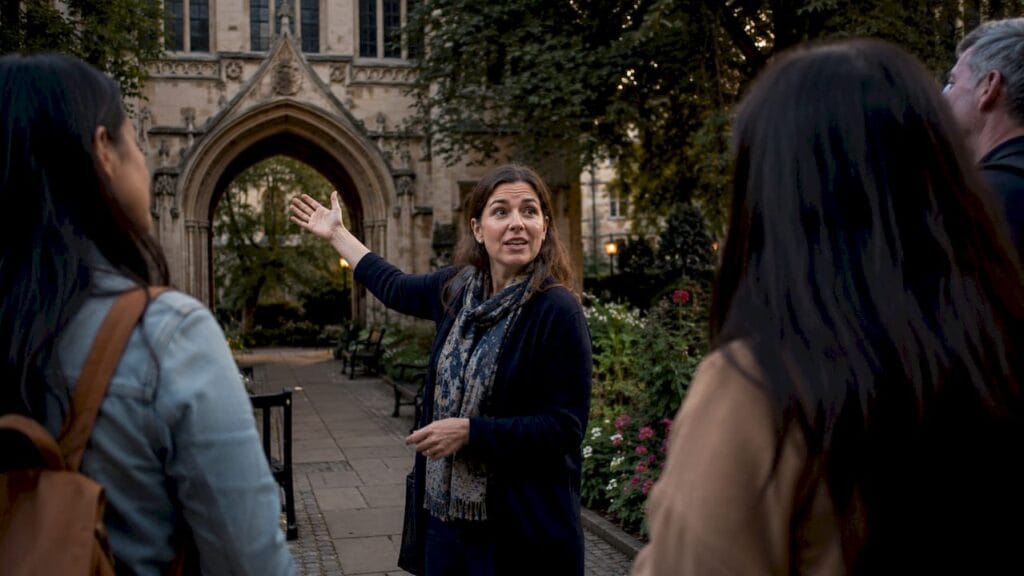
Hiring professional guides is the single most effective way to transform a good trip into an unforgettable one. A professional travel guide is a qualified expert who combines deep local knowledge, cultural fluency, and logistical skill to give you access to experiences that independent travel simply cannot replicate. Platforms like ToursByLocals and services such as Oxfordmagictours demonstrate that the benefits of hiring guides extend far beyond basic narration. Whether you are visiting Oxford’s ancient colleges or exploring a foreign city for the first time, a skilled guide changes what you see, what you understand, and how much you enjoy it.
Why hire professional guides: the expertise that makes the difference
The most important quality a professional guide brings is deep cultural and historical knowledge, which research confirms outranks language skills, punctuality, and technology use when travellers evaluate tour quality. That finding matters because it tells you exactly what to look for when hiring. A guide who can recite dates is not the same as one who can explain why a building was constructed the way it was, who paid for it, and what it meant to the people who lived beside it.
Professional guides also bring communication and storytelling skills that no guidebook or audio tour can match. The best guides read their audience, adjust their pace, and find the angle that makes a story land. A group of architecture students needs a different framing than a family with young children, and an experienced guide shifts between those modes without being asked.
Beyond knowledge and communication, professional guides carry practical expertise that protects you on the ground:
- Safety awareness: Guides know which areas to avoid, how to handle medical situations, and how to respond to sudden weather changes or crowd surges.
- Problem-solving: When a museum is unexpectedly closed or a restaurant is full, a guide has alternatives ready before you even notice the disruption.
- Adaptability: Skilled guides respond to on-site conditions by quietly adjusting routes and pacing rather than following a rigid script.
- Professional credentials: Membership of bodies like the Institute of Tourist Guiding or the Guild of Registered Tourist Guides signals that a guide meets verified standards.
Pro Tip: Ask any prospective guide which professional association they belong to. Membership often requires safety insurance, ethical conduct, and quality standards that unaffiliated freelancers are not held to.
How do professional guides save you time and reduce travel stress?
The logistical role of guides has expanded considerably. Today’s professional guides routinely manage accommodation bookings, transport connections, and dining reservations as part of their service, saving travellers several hours each day that would otherwise be spent researching, queuing, or recovering from wrong turns.
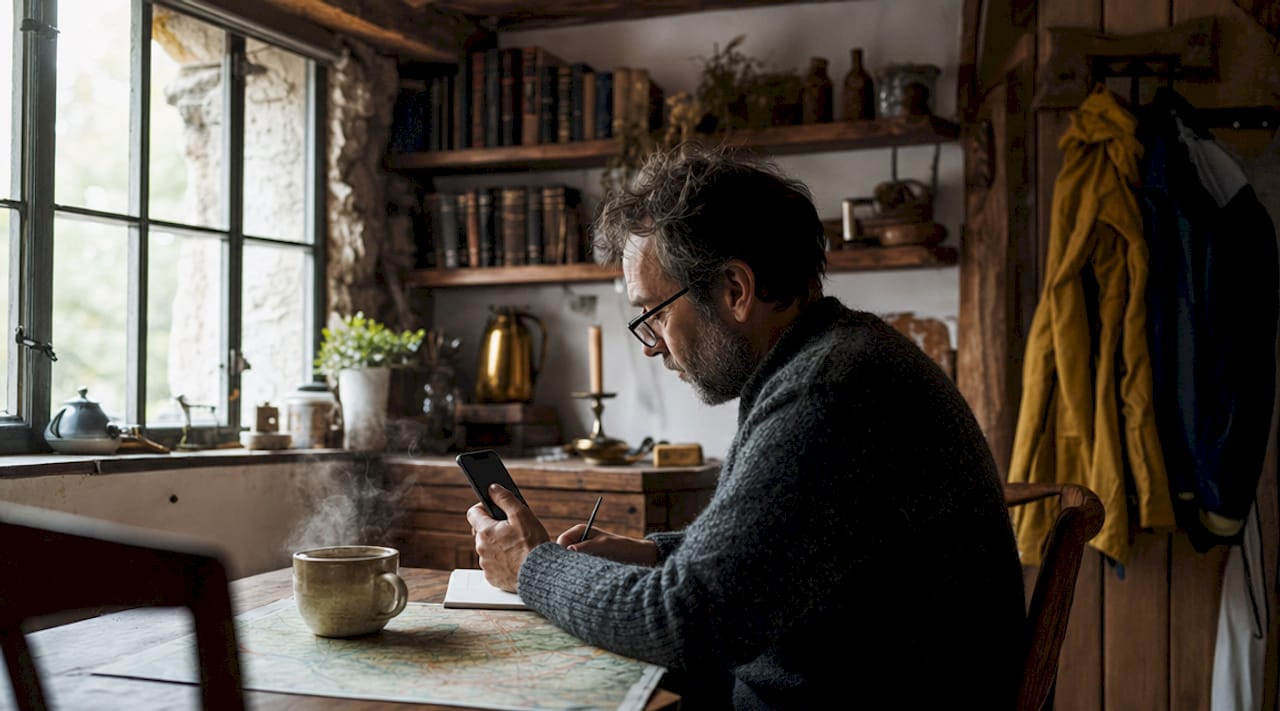
Consider what a typical unguided day in an unfamiliar city actually involves. You spend the morning cross-referencing opening times, the afternoon working out which metro line to take, and the evening trying to find a restaurant that is not a tourist trap. A guide eliminates all of that friction before it starts.
Here is how that time-saving works in practice:
- Pre-trip planning: Your guide researches the best route, books timed entry tickets, and identifies the quietest windows to visit popular sites.
- On-the-day logistics: Transport, timing, and transitions between locations are handled without you needing to consult a map or an app.
- Contingency management: If a site is closed, a queue is too long, or the weather turns, your guide pivots immediately to a prepared alternative.
- Local access: Guides often have relationships with venue staff, restaurant owners, and local contacts that open doors not available to walk-in visitors.
The concept of cognitive offloading is central here. When a guide absorbs the mental load of managing variables, you are free to be fully present. You notice the carvings above the doorway. You actually listen to the story being told. You take the photograph you would have missed while staring at Google Maps.
What unique cultural insights do professional guides provide?
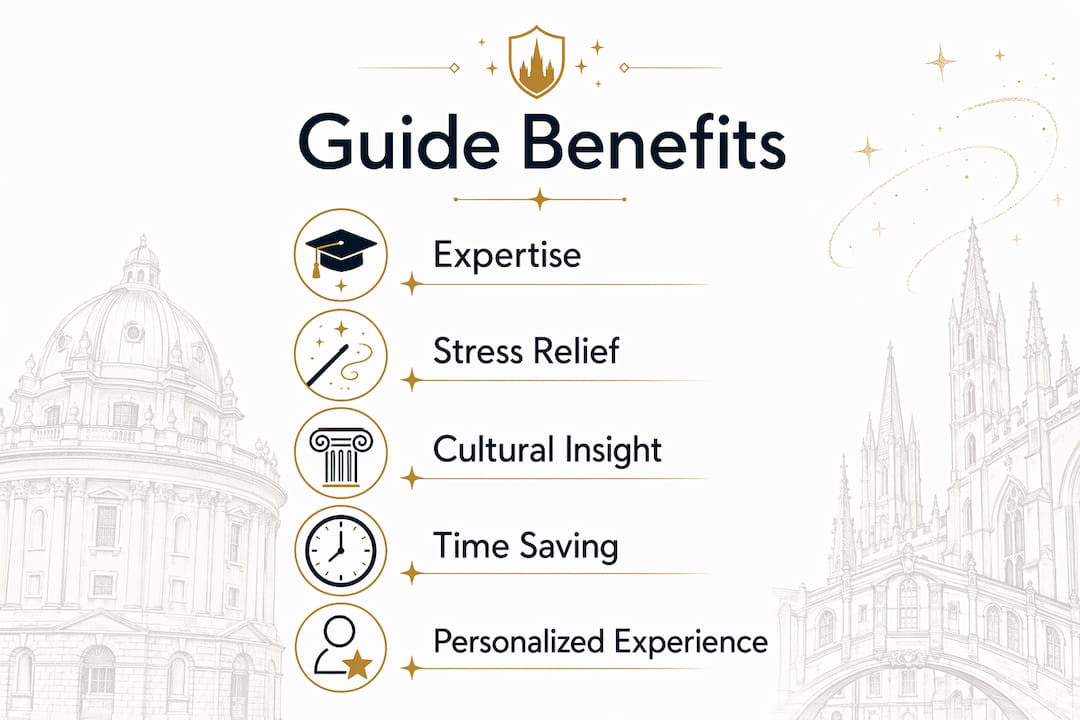
Professional guides act as cultural mediators, and that role goes well beyond translating language. Expert Monika Sundem notes that guides prevent social offences and enable deeper, more respectful interactions with local communities by interpreting social norms, customs, and unspoken etiquette. That is the kind of insight no travel app currently provides.
Think about what that means in practice. In some cultures, photographing a religious site without permission is deeply offensive. In others, the correct way to greet an elder or enter a home follows rules that visitors would never guess. A guide navigates all of this for you, not by issuing a list of rules, but by modelling the right behaviour and explaining the reasoning behind it.
“The best guides do not just show you where to look. They change how you see. After a great tour, you carry a different understanding of a place than the one you arrived with.” — Oxfordmagictours
Guides also unlock experiences that are invisible to independent travellers. They know the courtyard that is technically open to the public but never mentioned in any brochure. They know the local café where the owner will talk to you for an hour about the neighbourhood’s history. They know which angle of a famous building catches the light at 4pm and produces the photograph everyone else misses. The expertise of local guides is precisely this layered, lived knowledge that accumulates over years of working in a single place.
How to find and select a trustworthy professional guide
Finding the right guide requires more than reading online reviews. Adviser Kimberly Denison at Fodor’s Travel confirms that trusted guides are best found through recommendations from travel advisers, hotel concierges, or official tourism boards rather than anonymous platforms. That distinction matters because a recommendation from a professional source carries accountability that a five-star review from a stranger does not.
When you are evaluating a guide, look for the following:
- Verified credentials: Check for membership of a recognised professional body such as the Institute of Tourist Guiding, the Guild of Registered Tourist Guides, or a national tourism board affiliate.
- Professional association membership: Guide associations enforce standards including safety insurance, ethical conduct, and liability coverage, which protects you if something goes wrong.
- Specialist knowledge: A guide who specialises in the history, architecture, or culture you care about will deliver a far richer experience than a generalist.
- Communication before booking: The NZ Herald advises that a pre-booking introductory call or email exchange allows you to align the tour with your specific interests before you commit.
On the question of cost, freelance guide rates range from £12 to £55 per hour depending on location, experience, and what the service includes. That range is wide enough to suit most budgets, and the value delivered by an expert guide almost always exceeds the fee. A private guide for a half-day in Oxford, for example, costs considerably less than a single theatre ticket, yet delivers hours of tailored, expert-led experience.
Pro Tip: Before booking, send a short message outlining your specific interests, whether that is architecture, literature, film locations, or local food. A good guide will respond with a tailored outline. A poor one will send a standard brochure.
Key takeaways
Professional guides deliver the most value when you treat them as cultural experts and logistical partners, not simply narrators.
| Point | Details |
|---|---|
| Cultural knowledge is the top priority | Research confirms local and historical expertise outranks all other guide qualities for traveller satisfaction. |
| Guides save hours of daily planning | Managing transport, bookings, and contingencies frees you to focus entirely on the experience. |
| Cultural mediation prevents costly mistakes | Guides interpret social norms and etiquette, enabling respectful and meaningful local interactions. |
| Vet guides through professional channels | Recommendations from travel advisers or tourism boards are more reliable than anonymous online reviews. |
| Pre-booking communication improves every tour | A brief exchange before your trip allows the guide to tailor the itinerary to your specific interests. |
What I have learnt from years of watching guides work
I have watched hundreds of guides in action, and the difference between a scripted narrator and a genuine subject-matter expert is obvious within the first twenty minutes. Authentic expertise shows up in how a guide responds to a question they were not expecting, how they handle a distraction, and whether their knowledge deepens or runs out when you push past the surface.
The guides I respect most are the ones who treat cognitive offloading as a professional responsibility. They do not just carry information. They carry the mental weight of the day so that you do not have to. That is a skill that takes years to develop, and it is worth paying for.
What I find most travellers underestimate is the value of a guided versus self-guided experience when visiting a place with genuinely layered history. You can walk through Oxford’s colleges alone and see beautiful buildings. Or you can walk through them with someone who knows which staircase C.S. Lewis climbed every morning, which dining hall inspired J.K. Rowling, and why the architecture of one particular quad was deliberately designed to intimidate visitors. Those are not details you find on a plaque. They are the product of years of study and genuine passion for a place.
The best guides I have encountered share one quality: they make you feel that the place you are visiting was made for you to discover. That is not performance. That is expertise.
— Shane
Experience Oxford with Oxfordmagictours
Oxfordmagictours offers something genuinely rare: expert-led walking tours of Oxford University and the Harry Potter filming locations, combining professional guiding with live magic performed by an entertainer who has performed for the British Royal Family and A-list celebrities. No other walking tour in Oxford delivers that combination of cultural depth and live entertainment. Whether you are visiting as a family, a group of friends, or a solo traveller, the experience is tailored to make Oxford’s history and magic feel personal. Explore the full range of Oxford city walks and book your tour directly online.
FAQ
Why hire a professional guide instead of using an app?
A professional guide provides real-time cultural interpretation, logistical management, and personalised storytelling that no app can replicate. Research confirms that deep local knowledge is the quality travellers value most in a guide.
How much does a professional guide cost?
Freelance guide rates range from approximately £12 to £55 per hour, depending on location, experience, and the complexity of the service. Private guided tours typically represent strong value relative to the depth of experience they deliver.
How do I know if a guide is trustworthy?
Look for membership of a recognised professional body such as the Institute of Tourist Guiding or the Guild of Registered Tourist Guides. Recommendations from hotel concierges, travel advisers, or official tourism boards are more reliable than anonymous online reviews.
When is hiring a guide most worthwhile?
Hiring a guide is most valuable when visiting a destination with complex cultural or historical layers, when travelling in a group with varied interests, or when you want to avoid the time cost of independent planning.
What should I ask a guide before booking?
Ask about their professional credentials, their specialist knowledge, and whether they can tailor the itinerary to your interests. A brief pre-booking conversation, by email or phone, is the most reliable way to assess whether a guide is the right fit for your trip.