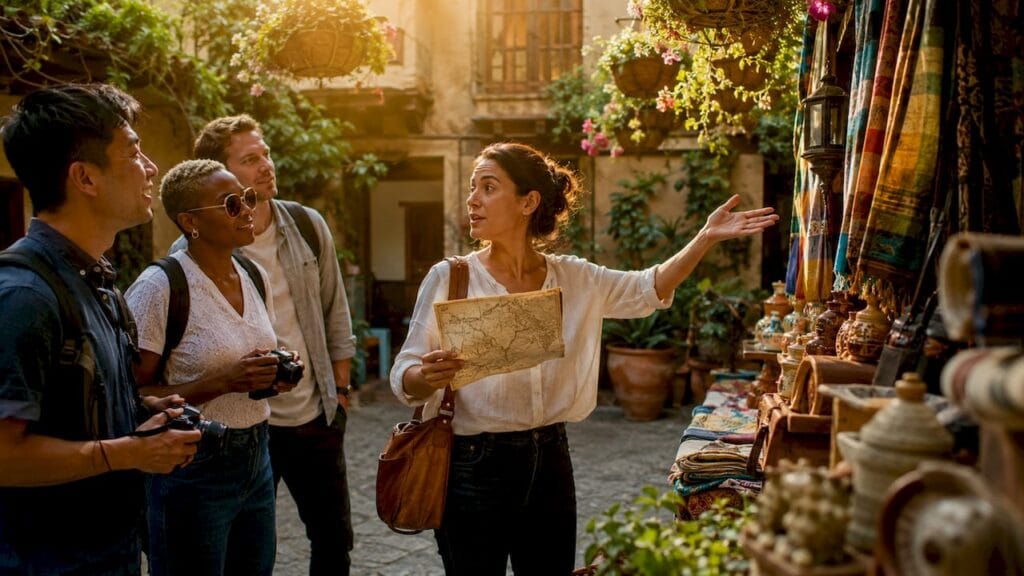
TL;DR:
- Cultural tours foster deeper understanding by involving travelers directly with local communities and traditions. Participatory experiences enhance cultural intelligence, empathy, and mental well-being through slow, meaningful engagement. Authentic tours prioritize local interaction, skilled guides, and genuine storytelling to leave lasting personal and cultural impact.
Cultural tours are defined as guided, immersive experiences that connect travellers directly with the living heritage, traditions, and communities of a destination. The role of cultural tours extends far beyond sightseeing. They build genuine understanding, develop empathy, and create lasting personal change. Research shows that 87% of travellers report greater empathy after meaningful cross-cultural contact. From Oxford’s ancient university colleges to the storytelling traditions of indigenous communities, cultural immersion tours are reshaping what it means to travel well.
What is the role of cultural tours in meaningful travel?
Cultural tours serve as the bridge between a destination’s surface appearance and its deeper meaning. A visitor who photographs the Bodleian Library sees architecture. A visitor who joins a guided walking tour, hears the stories of scholars who studied there, and understands the living academic traditions walks away with something entirely different. That difference is what cultural tourism delivers at its best.
The importance of cultural tours lies in their capacity to make the unfamiliar legible. When you engage with a place through its people, rituals, and histories, you stop being a spectator and become a participant. Real cultural impact requires direct engagement and navigating unfamiliar social cues, not simply visiting destinations. That distinction matters enormously for the quality of your experience.
The shift in travel culture is already well underway. Travellers are moving away from monument-hopping toward immersive experiences like festival participation, craft workshops, and community homestays. This spreads tourism’s economic benefits more equitably and supports the preservation of local heritage. For cultural enthusiasts, this trend represents exactly the kind of travel worth seeking out.
What makes cultural tours truly impactful?
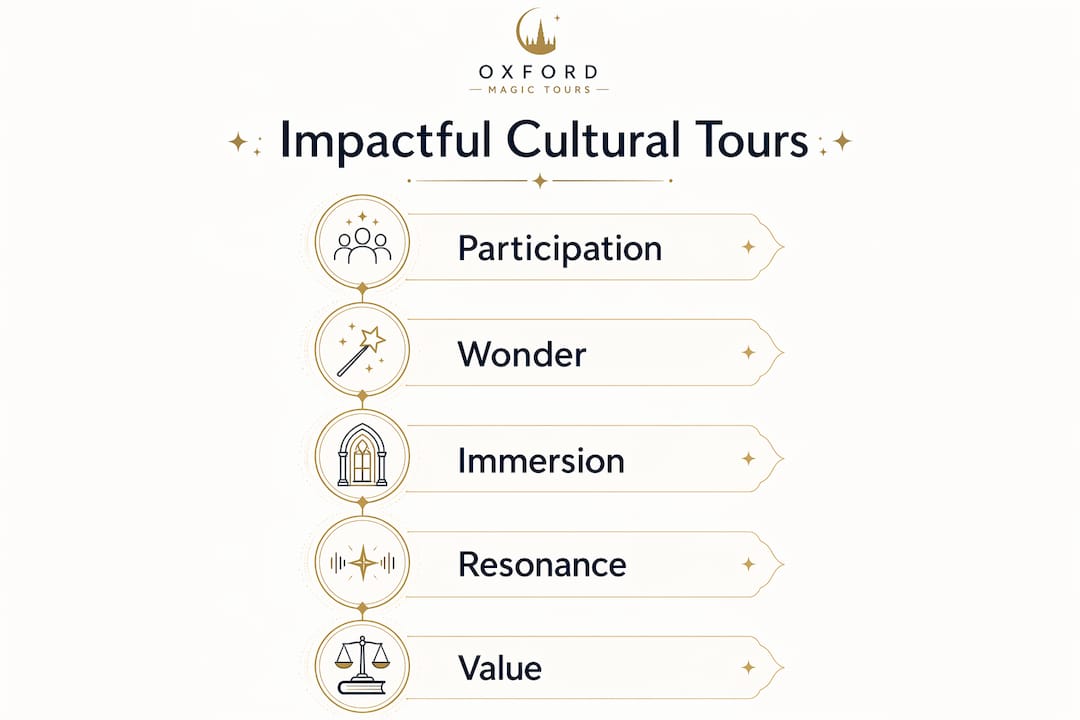
Five dimensions define a profound cultural tourism experience: participation, wonder, immersion, resonance, and value. Research published in PLOS One identified these criteria through analysis of intangible cultural heritage tourism. Each dimension plays a distinct role in determining whether a tour leaves a lasting impression or fades from memory within a week.
| Dimension | What It Means for You |
|---|---|
| Participation | You actively contribute, not just observe |
| Wonder | The experience surprises and genuinely moves you |
| Immersion | You feel absorbed in the culture, not separated from it |
| Resonance | The experience connects to something personally meaningful |
| Value | The tour justifies its cost through depth and authenticity |
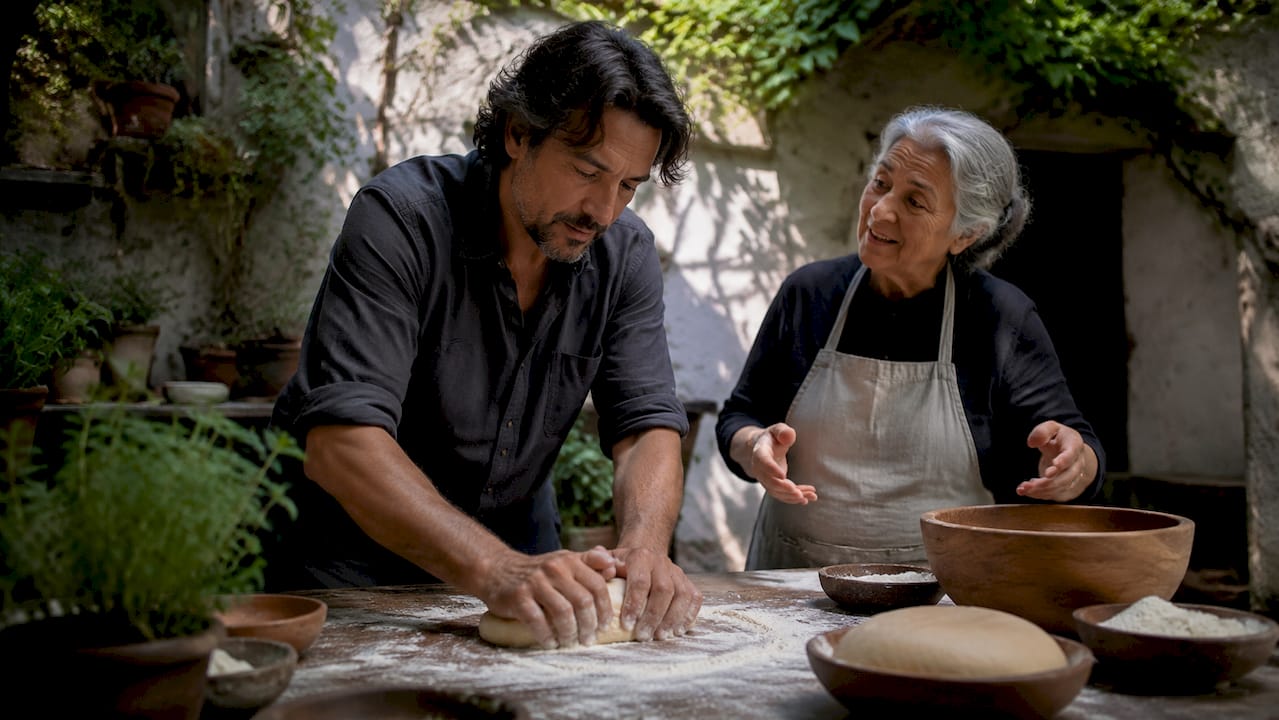
Participation is the most underrated of the five. Co-creation activities such as cooking with local families, learning traditional crafts, or joining storytelling sessions produce deeper cultural learning than passive observation. This is not a minor distinction. A traveller who makes bread with a Moroccan family understands Moroccan hospitality in a way that no museum exhibit can replicate.
Wonder and resonance are the dimensions most likely to be neglected by operators focused on logistics. A tour that delivers factual information efficiently but never surprises you has failed on two of the five criteria. The best cultural experiences in tourism are designed to create moments of genuine discovery, not just information transfer.
Pro Tip: Before booking any cultural tour, ask the operator which activities involve direct participation with local people. If the answer is “none,” look elsewhere.
How do cultural tours build cultural intelligence?
Cultural intelligence, often abbreviated as CQ, is the ability to function effectively across different cultural contexts. It is not the same as cultural knowledge. You can memorise facts about Japan without developing the adaptability to navigate a Japanese business meeting or a traditional ceremony. Cultural immersion tours develop CQ in ways that reading and classroom learning cannot.
Cross-cultural competency ranks among the top five hardest skills for employers to find, according to a 2023 employer survey. That finding reframes cultural travel as a professional investment, not merely a leisure activity. The skills you develop on an immersive cultural tour translate directly into the workplace.
The evidence on empathy is particularly striking. 87% of travellers report higher empathy and reduced bias following meaningful cultural contact. That figure represents a measurable shift in how people perceive those different from themselves. Cultural intelligence grows across four dimensions:
- Cognitive CQ: Understanding cultural norms, values, and practices
- Motivational CQ: Genuine interest in and drive to engage with other cultures
- Behavioural CQ: Adapting your communication and actions across cultural contexts
- Metacognitive CQ: Reflecting on your own cultural assumptions and biases
“The biggest gains in cultural intelligence come not from observation but from the discomfort of navigating unfamiliar social situations in real time.”
Cultural immersion tours create precisely those situations. When you join a local ceremony, attempt a traditional craft, or share a meal with a family whose customs differ from your own, you are exercising all four dimensions of CQ simultaneously. That is why the benefits of cultural travel persist long after the trip ends.
What are the mental and social benefits of cultural immersion?
Cultural tourism encourages a leisurely pace and mindfulness that produces measurable cognitive and emotional benefits. The mental health gains from culture-focused travel come specifically from relaxed, meaningful engagement rather than rushed sightseeing. This distinction is worth holding onto when you plan your next trip.
The psychological benefits of slow, immersive cultural travel include:
- Reduced stress: Stepping outside your daily environment and routine lowers cortisol levels and interrupts habitual anxiety patterns.
- Cognitive flexibility: Encountering different ways of organising daily life challenges your assumptions and builds mental adaptability.
- Emotional resilience: Navigating unfamiliar situations builds confidence and tolerance for ambiguity.
- Heightened presence: Genuine curiosity about a new culture pulls your attention into the present moment, producing a natural mindfulness effect.
The social dimension is equally significant. Cultural tours create structured opportunities for meaningful interaction with local people. These are not the transactional exchanges of hotel check-ins or restaurant orders. They are conversations, shared activities, and moments of genuine human connection. For many travellers, these interactions become the most memorable part of the entire trip.
Cultural tourism’s mental health benefit is inseparable from pace. A tour that rushes you through six sites in three hours delivers none of these benefits. The slow, curious, attentive approach is what makes the difference.
Pro Tip: When comparing tours, favour operators who limit group sizes and build unscheduled time into their itineraries. Smaller groups and breathing room are reliable indicators of a tour designed for genuine immersion rather than throughput.
How do you choose authentic and meaningful cultural tours?
The biggest risk in cultural tourism is dilution. Curation is essential to preserve authenticity alongside traveller comfort. Many operators market themselves as cultural experiences while delivering little more than a narrated bus ride past famous buildings. Knowing how to distinguish genuine cultural tours from superficial alternatives is a practical skill worth developing.
A knowledgeable guide who connects historical facts with present-day local life is the single most reliable indicator of a high-quality cultural tour. Facts alone do not create understanding. A guide who can explain why a medieval building still shapes how Oxford students socialise today transforms information into insight. That interpretive layer is what separates a transformative experience from a forgettable one.
Ethical operators are equally important. Sustainable, structured tours with transparent pricing and genuine storytelling support local communities without exploiting them. Before booking, ask these questions:
- Does the tour involve direct interaction with local people, or only observation?
- Are local guides employed and fairly compensated?
- Does the operator have a clear policy on group sizes and environmental impact?
- Is the pricing transparent, with no hidden costs?
- Can you find independent reviews that specifically mention the guide’s knowledge and storytelling?
The answers will tell you quickly whether an operator prioritises your experience or simply your booking fee. You can also look for professional guide credentials as a baseline indicator of quality. In the UK, the Institute of Tourist Guiding sets recognised standards for professional guides. Operators who employ accredited guides are making a statement about the seriousness of their offering.
Cultural experiences in tourism that genuinely deliver on their promise share one further quality: they leave you with questions, not just answers. The best tours open doors rather than close them.
Key takeaways
Cultural tours deliver their greatest value through active participation, knowledgeable guides, and a pace that allows genuine immersion rather than surface-level sightseeing.
| Point | Details |
|---|---|
| Participation drives depth | Co-creation activities like cooking and craft-making produce deeper learning than passive observation. |
| Cultural intelligence grows measurably | 87% of travellers report higher empathy and reduced bias after meaningful cultural contact. |
| Pace determines mental benefit | Slow, mindful cultural travel produces cognitive flexibility and stress reduction; rushed tours do not. |
| Guide quality is the key differentiator | A skilled guide linking heritage to living local culture transforms information into lasting insight. |
| Ethical operators protect authenticity | Transparent pricing, fair local employment, and small group sizes signal a trustworthy cultural tour. |
Why i think most travellers are still missing the point
I have been on cultural tours across the UK and Europe that were technically excellent and completely forgettable. The guide knew every date, every architectural detail, every historical footnote. But nothing connected. There was no moment where I thought: “Now I understand something I did not understand before.”
The tours that changed how I see the world shared one quality. They put me in a situation where I had to engage, not just listen. A storytelling session in a medieval hall where the audience participates. A magic performance woven into a walking tour of Oxford that uses illusion to reveal something true about the city’s history. These are not gimmicks. They are delivery mechanisms for genuine wonder, which is one of the five dimensions that research identifies as essential to a profound cultural experience.
Traveller expectations are shifting, and I think they are shifting in the right direction. People are arriving at destinations with less patience for passive information delivery and more appetite for experiences that surprise them. The operators who understand this are building something genuinely worth travelling for. The ones who have not caught up are still narrating bus rides.
Sustaining cultural heritage through mindful tourism is not a philosophical abstraction. Every time you choose a tour that employs local guides, limits its group size, and invests in storytelling over throughput, you are making a practical contribution to the preservation of the culture you came to experience. That is worth remembering when you compare prices.
— Shane
Experience oxford’s culture with Oxfordmagictours
Oxfordmagictours offers the only walking tour in Oxford that combines live magical entertainment with genuine cultural storytelling. The magician has performed for the British Royal Family and A-list celebrities, bringing a level of craft and showmanship to Oxford’s streets that you will not find anywhere else. Every tour covers Oxford University’s most significant sites and Harry Potter filming locations, guided by someone who understands how to make history feel alive rather than archived. If you want a cultural experience that delivers on all five dimensions of a profound tour, explore the Oxford walking tours on offer. You can also browse Oxford’s colleges to plan your visit around the sites that matter most to you.
FAQ
What is the role of cultural tours in travel?
Cultural tours connect travellers with the living heritage, traditions, and communities of a destination through guided, participatory experiences. Their primary role is to build genuine understanding and cultural intelligence rather than deliver surface-level sightseeing.
How do cultural tours enhance understanding of local heritage?
A knowledgeable guide who links historical facts to present-day local life transforms a tour into a meaningful cultural experience. Active participation in local customs and traditions deepens that understanding further.
What are the main benefits of cultural travel?
Research shows cultural travel builds empathy, reduces bias, and develops cross-cultural competency. It also produces measurable mental health benefits including reduced stress and improved cognitive flexibility when approached at a mindful pace.
How do i identify an authentic cultural tour?
Look for tours that involve direct interaction with local people, employ accredited local guides, limit group sizes, and offer transparent pricing. Independent reviews that specifically mention storytelling quality are a reliable signal of authenticity.
Why does participation matter more than observation on cultural tours?
Co-creation activities such as cooking, craft-making, and storytelling sessions produce deeper cultural learning than passive observation. Participation engages all four dimensions of cultural intelligence simultaneously, making the experience more memorable and more transformative.